
conflicting agendas fuel diplomatic friction
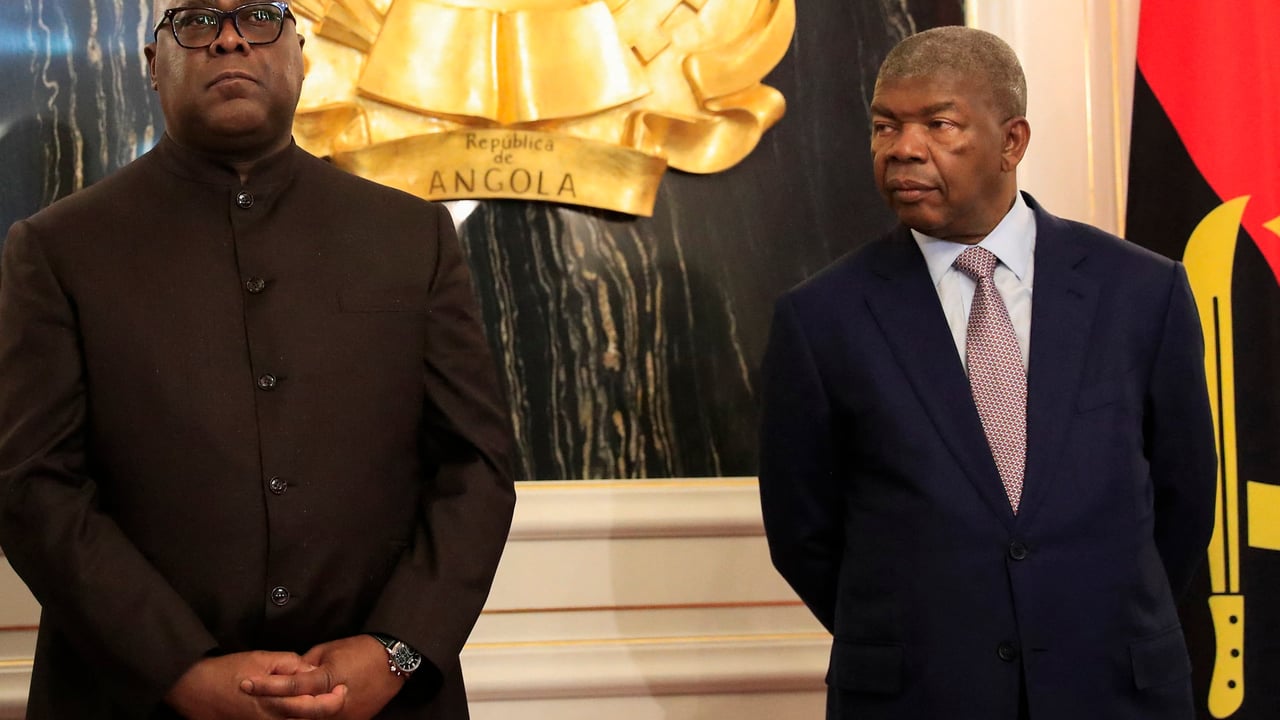
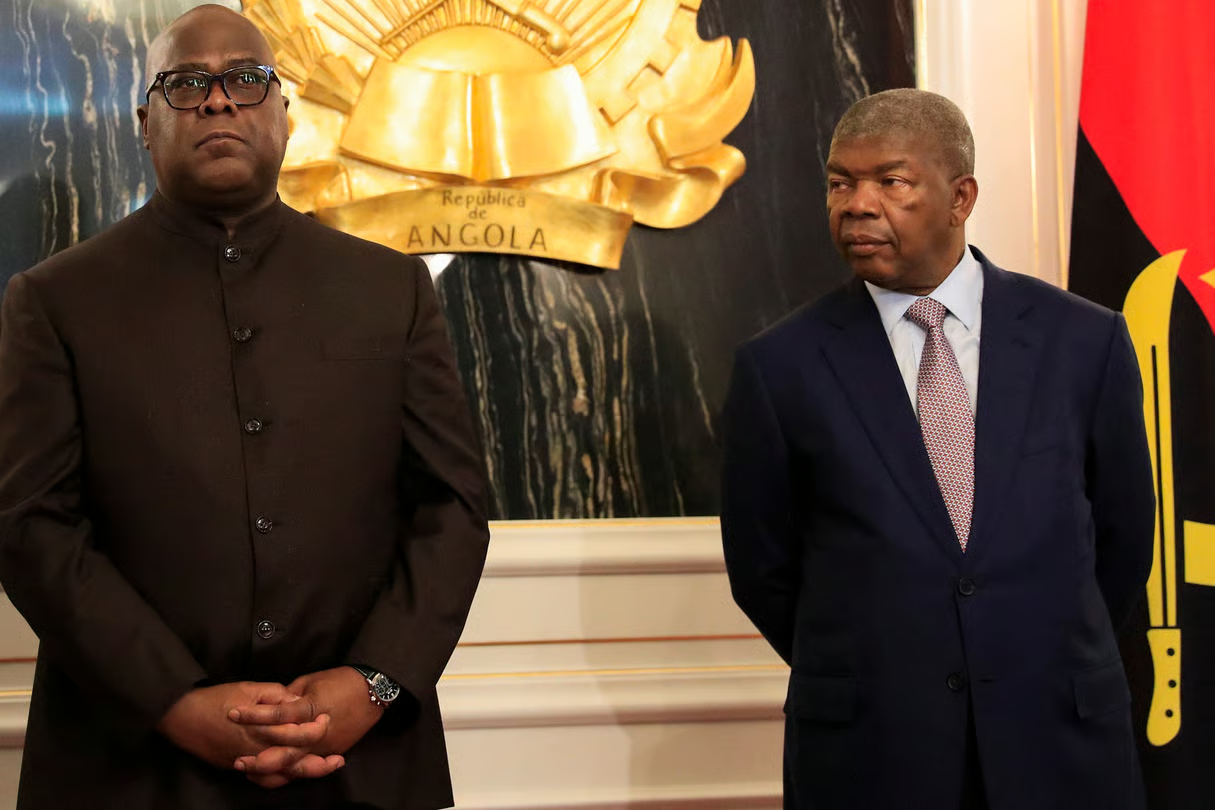
Behind closed doors in Luanda, a high-stakes game of influence is unfolding between two African leaders whose visions for regional stability could not be more divergent. The face-to-face meeting between President Félix Tshisekedi of the Democratic Republic of the Congo (DRC) and his Angolan counterpart João Lourenço has exposed deep cracks in their approaches to resolving the M23 crisis and broader security challenges in the Great Lakes region.
clashing strategies in the great lakes region
The January 8, 2026 gathering at the Angolan presidential palace was meant to foster unity, but instead laid bare the irreconcilable differences in tactics between Kinshasa and Luanda. While President Tshisekedi has consistently pushed for military-led solutions to counter the M23 rebellion, President Lourenço advocates for a negotiated political settlement that prioritizes dialogue with armed groups.
These divergent paths reflect broader philosophical divides. Kinshasa’s strategy hinges on regional military alliances, including support from the East African Community (EAC), to dismantle rebel factions. Luanda, meanwhile, champions a softer approach, emphasizing regional mediation and economic integration as pathways to lasting peace.
the m23 rebellion: a powder keg at the heart of tensions
The M23 insurgency remains the central flashpoint in this diplomatic tug-of-war. With its roots tracing back to the 2012 mutiny, the group has resurged in recent years, clashing repeatedly with DRC government forces. The rebels’ demands—ranging from autonomy to full political recognition—have complicated efforts to broker a truce, particularly as Kinshasa rejects any concessions that could legitimize their claims.
President Lourenço’s insistence on dialogue stems from Angola’s historical role as a mediator in regional conflicts. His administration has long argued that military force alone cannot resolve entrenched political grievances. Yet, Tshisekedi’s government views such pleas as naive, pointing to the M23’s repeated violations of ceasefire agreements as evidence that negotiations would only embolden rebel factions.
economic interests and geopolitical chess moves
Beneath the diplomatic posturing lies a web of economic and geopolitical interests. Angola, a key player in the Southern African Development Community (SADC), seeks to expand its influence in the Great Lakes region while securing lucrative trade agreements. The DRC, rich in minerals like cobalt and copper, represents a critical market for Angolan exports and investment.
Meanwhile, Kinshasa’s reliance on EAC military support has raised eyebrows in Luanda, where officials worry about foreign interference in domestic affairs. The tensions reached a boiling point in late 2025 when DRC forces, backed by regional allies, launched a major offensive against M23 positions near Goma—a move that Luanda condemned as destabilizing.
what’s next for regional stability?
As the standoff intensifies, the question on everyone’s mind is whether these two leaders can find common ground—or if their rivalry will deepen the crisis. With the M23 rebellion showing no signs of abating and regional alliances fracturing, the stakes could not be higher for the DRC and its neighbors.
For now, the diplomatic deadlock persists, leaving millions of Congolese civilians caught in the crossfire of clashing ambitions and unmet promises of peace.