Digital services tax in Morocco reshapes online economy
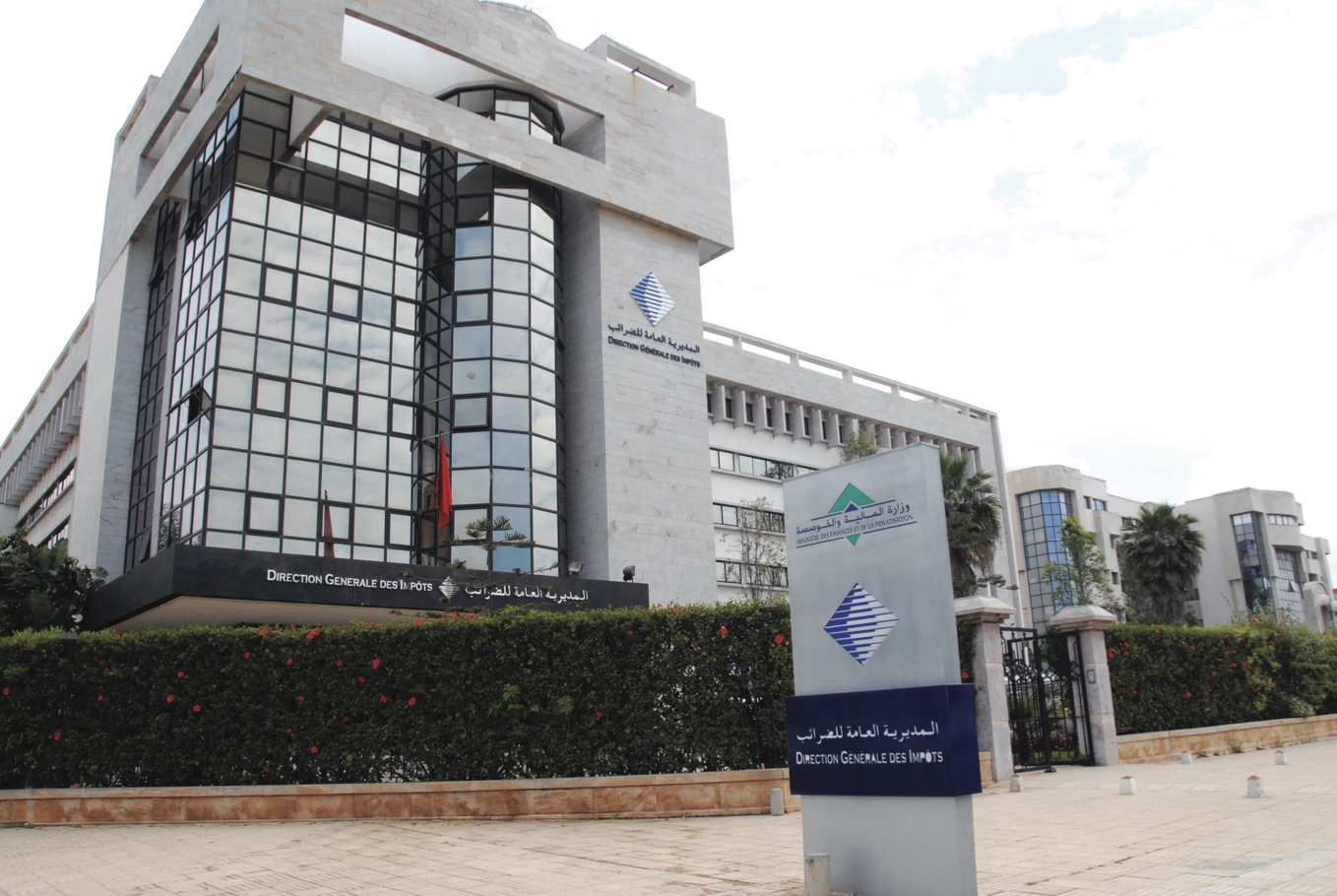
Digital platforms have seamlessly woven themselves into the fabric of daily life. Meta, X, Instagram, TikTok, Netflix, Spotify, and Airbnb no longer serve just as entertainment or social hubs—they’ve evolved into economic powerhouses whose influence extends far beyond national borders. In Morocco, this shift is undeniable. Since June 11, 2026, a new chapter has begun: the General Tax Administration launched a dedicated platform for taxing digital services, ending years of uncertainty and fiscal ambiguity.
The notion that virtual interactions could yield tangible economic value was once dismissed as theoretical. Yet economists like Paul Romer, recipient of the 2018 Nobel Prize, demonstrated that technical progress isn’t accidental—it’s the result of deliberate economic choices. Social networks, born in research hubs like MIT, Harvard, and Silicon Valley, exemplify this principle. They weren’t stumbled upon; they were engineered, funded, and scaled because they promised profitability.
Statistics underscore the scale of this transformation. Research shows over 36.5% of all internet time is now spent on social platforms. Nearly half of users engage to stay connected with loved ones (48.6%), while a third use them to pass time (37.3%) or stay informed (34.6%). Behind these social interactions lies a lucrative advertising ecosystem, accounting for roughly 85% of these platforms’ revenue—and this stream keeps swelling.
Businesses, from startups to multinationals, have capitalized on this visibility. Globally, 90% of companies leveraging social media report tangible benefits. The influencer marketing sector alone ballooned from $800 million in 2015 to $16.4 billion in 2022, driven by engagement rates as high as 96%—far outpacing branded content.
Morocco sits at the heart of this digital gold rush. With 23.8 million social media users—63.4% of the population—it represents a vast, untapped market. In January 2022, YouTube had 21.5 million users, Facebook Messenger 8.35 million, and TikTok 5.97 million adults. These aren’t just numbers; they’re communities, audiences, and potential customer bases for digital entrepreneurs. As Mohcine Benachir, CEO of Prestige Informatique, observes, “Morocco is witnessing an economy born of digital innovation taking center stage.” Transactions conducted through these networks are no longer peripheral—they’re core economic activity. Any business aiming for growth must engage here, as these platforms now serve as essential channels for communication and sales.
The surge in digital advertising reflects this reality. According to the Digital Trends Morocco 2024 report, digital budgets now make up nearly 17% of total marketing spend, with social media ads dominating. Yet, despite this local investment, much of the financial value flows overseas. Local media outlets struggle against global tech giants like Facebook and Google, which dominate 60–70% of the online ad market. In 2022 alone, Google reported $60 billion in net profits—primarily from digital ads—but paid no taxes in Morocco.
The fiscal paradox: untapped revenue streams
This isn’t just an economic oversight—it’s a systemic issue. As one industry insider notes, “Social platforms may be virtual in access, but their impact is profoundly real. The problem isn’t the medium; it’s the absence of control. These titans operate outside our borders, leaving us with no leverage to negotiate.” When a Moroccan business advertises on Meta, payments leave the country in foreign currency—and rarely return. This creates a fiscal and monetary black hole with long-term consequences. A 2018 joint report by tax and foreign exchange authorities had already flagged the issue of taxing advertising revenue from foreign tech giants, but progress stalled—until now.
Local players have long advocated for change. Former GAM president Mounir Jazouli emphasized the need for collaboration among publishers to counterbalance the dominance of global platforms. “The challenge,” he argued, “is building local technological platforms and services that can compete with Gafam.” He also proposed innovative models, such as ad-supported content access, to level the playing field.
A new fiscal era begins in June 2026
The wait is over. On June 11, 2026, the General Tax Administration unveiled its Digital Services Taxation platform, accessible via the SIMPL portal. Foreign digital service providers—including Netflix, Spotify, Google, Meta, Airbnb, and Uber—must now register, declare revenue generated in Morocco, and pay corresponding VAT. This measure, outlined in Decree 2-25-862 (published in December 2025), mandates several steps: registration for a tax ID, quarterly revenue declarations by the end of the first month each quarter, and maintenance of detailed service records subject to audit.
The DGI has provided a comprehensive guide to assist operators through this transition. But beyond technical compliance, this move sends a powerful signal—Morocco is joining over 30 countries that tax digital giants, aligning with OECD recommendations. The stakes are high: a 2022 World Bank report estimated that full digitalization in the MENA region could boost GDP per capita by 46% over 30 years, adding $1.6 trillion in value. It also projected a drop in frictional unemployment from 10% to 7% within six years.
Ouassim Driouchi, Partner at BearingPoint’s Telecoms and Innovation division, explains, “The introduction of VAT on foreign digital services isn’t an isolated move—it reflects a global convergence toward OECD standards (BEPS framework) and practices already in place in the EU (via the OSS single window) and South Africa.” He adds, “The estimated revenue—between 500 million and 1 billion Moroccan dirhams—isn’t the main goal. The real win is correcting a historic competitive imbalance. For years, local startups and media outlets have been taxed from their first dirham, while global giants operated tax-free, enjoying a 20% cost advantage. This reform is essential to protect local innovation and restore fair competition.”
Beyond taxes: sovereignty, data, and economic resilience
Taxing digital giants isn’t merely about revenue collection—it’s about reclaiming economic sovereignty. As one observer puts it, “It’s not just about money; it’s about data, algorithms, and consumer behavior slipping through national regulators’ fingers.” By imposing VAT and requiring declarations, Morocco can begin to repatriate some of this value. Every dirham spent on ads outside local platforms represents capital flight. With taxation, a portion of that value can be reinvested locally.
Yet challenges remain. The law’s effectiveness hinges on advanced technological infrastructure. To accurately track and tax digital consumption, authorities must cross-reference IP addresses, Moroccan phone prefixes (+212), and banking BINs in real time, securely and efficiently. This decree could serve as a catalyst for a “Tax Administration 4.0,” leveraging data analytics and interoperability with telecom and banking ecosystems.
Still, the road ahead is fraught with obstacles. Global tech giants possess the legal and financial muscle to challenge these regulations. A single platform, no matter how robust, cannot alone bridge the structural gap between local players with limited resources and global behemoths. As Mounir Jazouli stressed, collaboration among Moroccan publishers is not optional—it’s a necessity to build a unified front against Gafam dominance.
