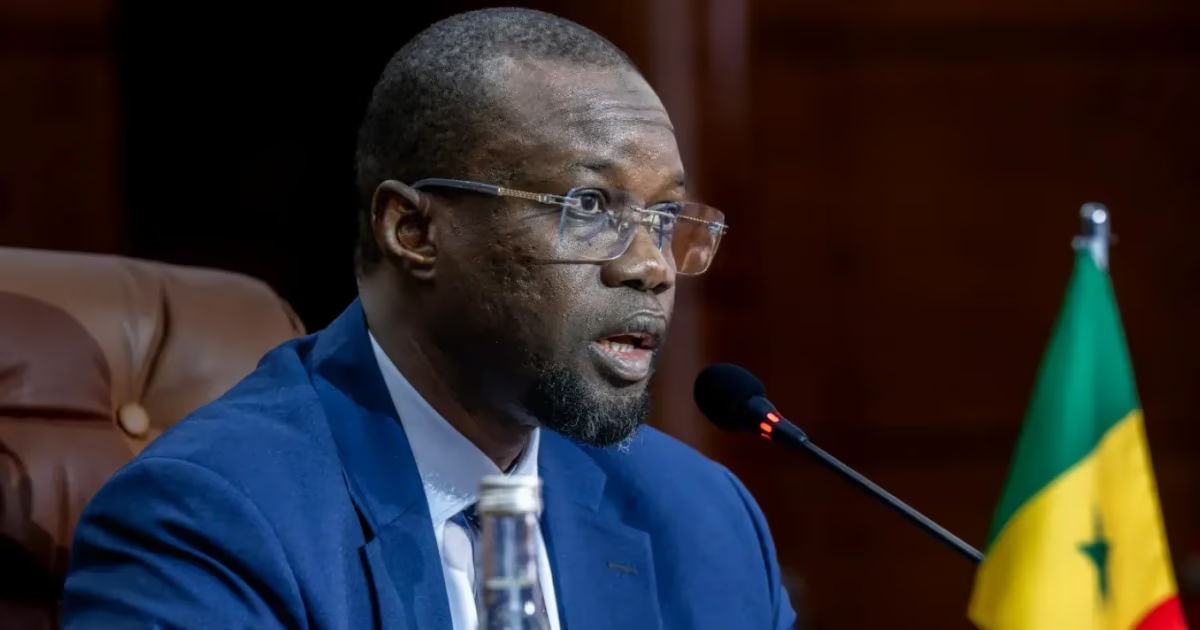
Deep analysis of african football failures at 2026 world cup by ousmane sonko
The president of Senegal’s National Assembly, Ousmane Sonko, has delivered a candid assessment of African football’s performance at the 2026 FIFA World Cup. Speaking in a recent interview, he acknowledged the continent’s expanded representation in the tournament but emphasized that this progress does not reflect inherent superiority—rather, it stems from FIFA’s decision to include more teams.
While the increased participation of African nations was widely celebrated, Sonko cautioned against attributing this development to favoritism. Instead, he framed it as a natural consequence of the global governing body’s structural adjustments to the competition.
key weaknesses exposed in world cup 2026
Sonko’s analysis zeroed in on the systemic challenges plaguing African football, particularly in governance, team management, and discipline. These shortcomings, he argued, were decisive factors in the underwhelming performances of several African squads, including the Senegalese team, which entered the tournament with strong expectations.
« The World Cup has once again laid bare our persistent weaknesses,» Sonko remarked, urging a fundamental reevaluation of how football is administered across the continent. His remarks underscore a broader concern: despite talent and potential, structural inefficiencies continue to hinder Africa’s competitive edge on the global stage.
When questioned about the caliber of remaining teams in the tournament, Sonko conceded that some may not necessarily surpass the African sides that were eliminated. Yet, he was quick to acknowledge the integrity of the competition, affirming that victorious teams had earned their success through merit and skill.
