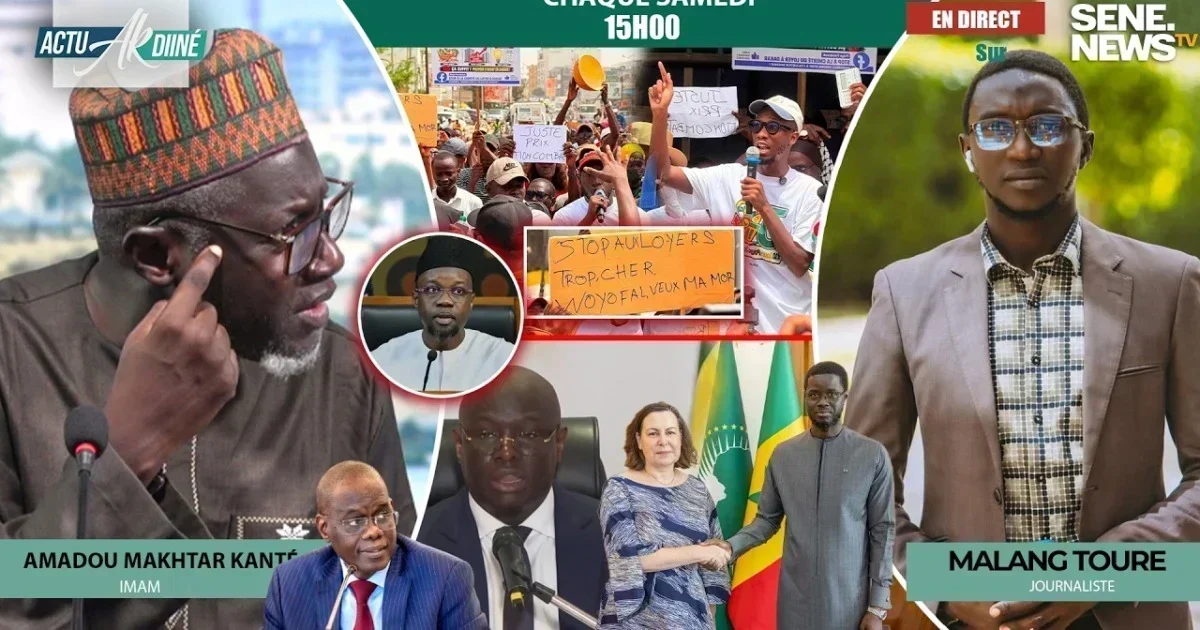
Decoding the IMF loan and Ousmane Sonko’s strategic vision
With financial resource management and economic sovereignty dominating public discourse, this analysis sheds essential light on the decisions that lie ahead.
Understanding the IMF loan and its implications
The recent approval of an IMF loan to Senegal marks a pivotal moment in the country’s economic trajectory. This financial backing arrives amid heightened debates over fiscal responsibility and the nation’s ability to chart its own course. The agreement, valued at a substantial scale, is designed to bolster Senegal’s macroeconomic stability while funding key development priorities.
However, the loan’s terms and conditions have sparked discussions among policymakers and citizens alike. Questions arise about how these funds will be allocated, the potential impact on national debt, and whether the conditions attached align with Senegal’s long-term development goals. The balance between accepting external support and maintaining fiscal autonomy remains a delicate one.
Ousmane Sonko’s projects and economic sovereignty
Prime Minister Ousmane Sonko has articulated a clear vision for Senegal’s economic future, one that emphasizes self-reliance and strategic investment. His administration’s projects focus on sectors critical to national growth, including infrastructure, agriculture, and digital transformation. These initiatives aim to create jobs, reduce poverty, and position Senegal as a competitive player in the West African region.
Yet, the path to economic sovereignty is fraught with challenges. Sonko’s approach involves renegotiating existing agreements and scrutinizing foreign involvement in key industries. This has led to tensions with international partners, but the government maintains that such measures are necessary to ensure that Senegal’s resources benefit its people directly.
Balancing external support and national interests
The IMF loan serves as a test case for Sonko’s economic philosophy. On one hand, the funds provide immediate relief and support for social programs. On the other, the conditions attached often require structural reforms that may be politically unpopular. The government’s ability to navigate these demands while advancing its own agenda will be crucial.
Observers note that Senegal’s economic future hinges on how effectively it can leverage external assistance without compromising its sovereignty. The coming months will reveal whether Sonko’s government can strike this balance, delivering tangible results while maintaining public trust.
