Declining justice systems in Sahel nations after ceeowas withdrawal
How military juntas in Sahel nations are undermining justice
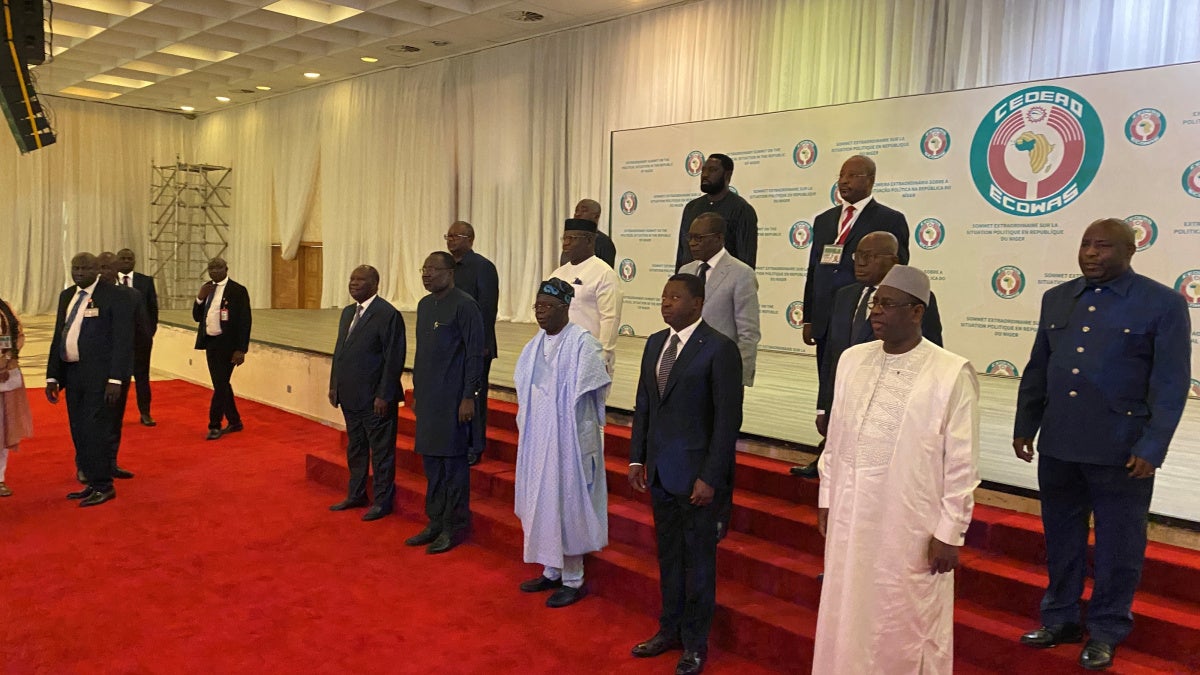
The Sahel region of Africa is facing a troubling trend: three neighboring countries—Burkina Faso, Mali, and Niger—share more than just borders. Each has experienced a military takeover, each has seen escalating human rights abuses, and each has now severed ties with the Economic Community of West African States (ECOWAS).
While these withdrawals may seem like political maneuvers, they carry serious consequences for justice and accountability. At the heart of this issue is the ECOWAS Community Court of Justice, a judicial body that has, since 2005, provided a lifeline for victims of human rights violations across member states. Unlike domestic courts, this court allows citizens to seek justice directly, bypassing potentially compromised local systems.
For the military juntas in Burkina Faso, Mali, and Niger, withdrawal from ECOWAS isn’t just a political statement—it’s a strategic move to evade scrutiny. Their security forces and allied armed groups have been linked to widespread atrocities, including extrajudicial killings, arbitrary detentions, and systematic repression. By leaving the bloc, these regimes effectively shield themselves from legal accountability, ensuring that victims have no recourse to international justice.
Why the loss of ECOWAS matters for victims
For years, citizens in these countries have faced dwindling avenues for justice. Local courts, already weakened by instability and political interference, rarely investigate or prosecute abuses by state forces. The ECOWAS Community Court offered a rare alternative—one that military leaders now seek to dismantle.
The consequences are dire for victims and their families. Without access to this court, they lose their only remaining path to redress. As one Malian political activist in exile in France recently noted, the withdrawal reflects a deliberate rejection of human rights and the rule of law by these regimes.
With these countries forming a new political alliance, the message is clear: justice is not a priority. The juntas’ actions suggest a preference for unchecked power over accountability, leaving victims with no legal recourse in a region already scarred by conflict.
What’s next for justice in the Sahel?
The departure of Burkina Faso, Mali, and Niger from ECOWAS raises urgent questions about the future of human rights enforcement in the Sahel. Without regional oversight, abuses by military and armed groups may go unchecked, further destabilizing an already fragile region. For victims, the loss of the ECOWAS court represents a crushing blow—one that could leave a legacy of impunity for years to come.
