Deadly explosion in northern Mali: civilian truck strikes mine near Aguelhok
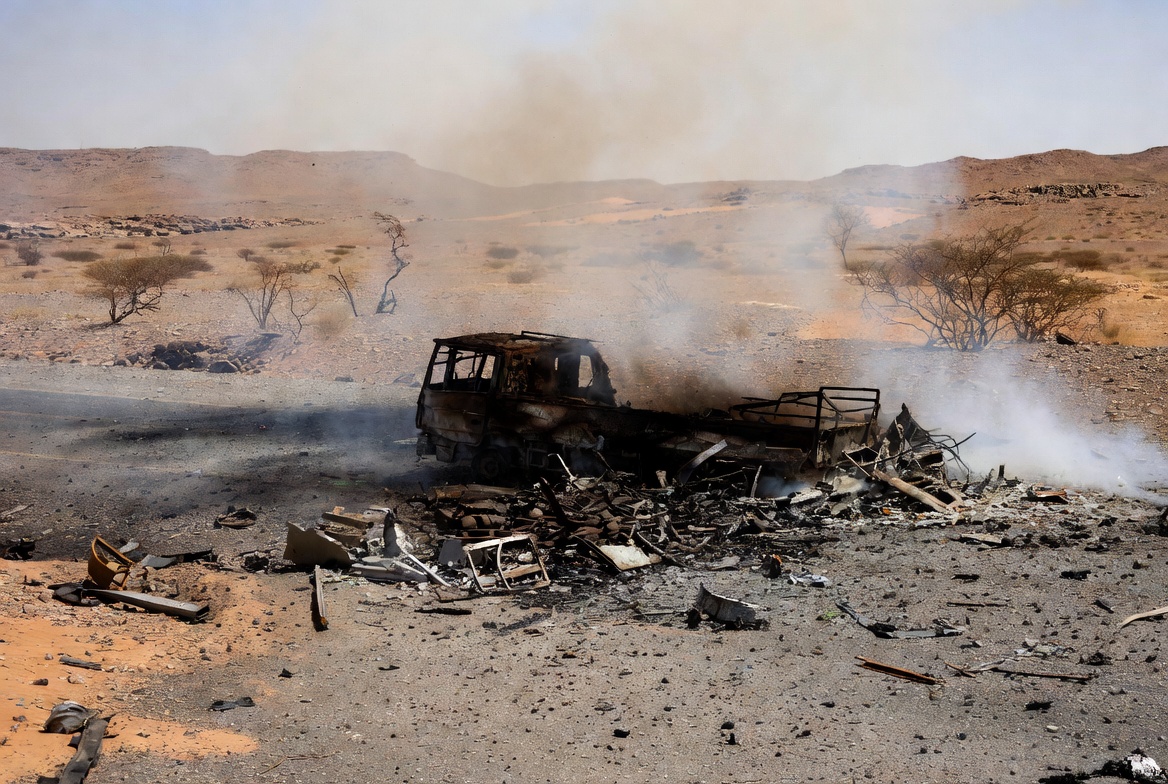
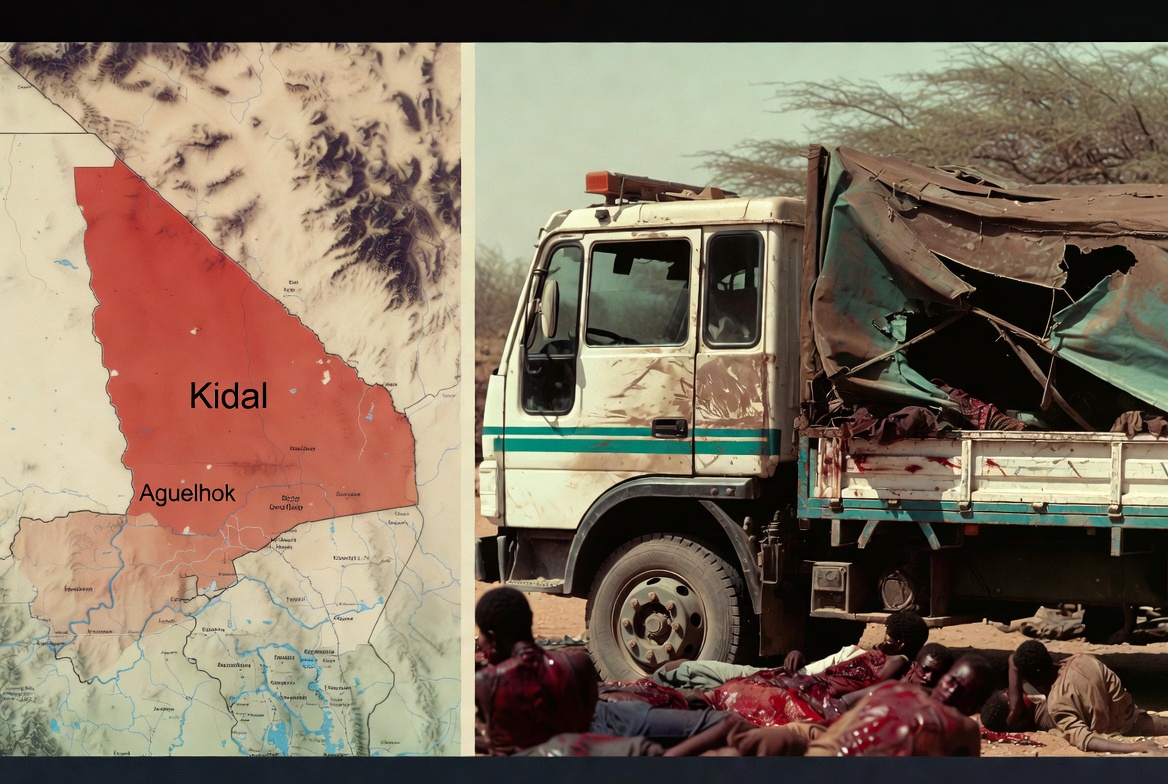
Tragedy has once again struck the roads of northern Mali. On Tuesday, April 14, 2026, a civilian transport truck fell victim to an improvised explosive device (IED) in the vicinity of Aguelhok, located in the heart of the Kidal region.
A violent blast with severe consequences
The explosion was extremely powerful, underscoring the ongoing security risks faced by local residents. The vehicle, which was carrying both passengers and essential goods, was devastated by the force of the detonation. Initial reports from the scene indicate:
- Multiple passengers sustained critical injuries and were rushed to nearby medical facilities, though healthcare resources in this isolated area are notably strained.
- The truck was completely destroyed, with its entire cargo lost to the blast and the subsequent fire.
While no group has officially claimed responsibility for the attack yet, local authorities and observers suspect the terrorist organizations active in the area. These groups frequently utilize mines and IEDs to disrupt movement, but it is often the civilian population that suffers the most devastating losses.
The “deadly lottery” of desert travel
An anonymous local resident described the terrifying reality of life in the region: “Traveling through Kidal has become a deadly lottery. Every trip could be your last because the danger is hidden beneath the sand.”
This incident highlights the persistent threat along the critical Gao-Kidal-Tessalit corridor. Beyond the immediate human suffering, these attacks are crippling the local economy. Transporters are increasingly hesitant to navigate these routes, making it difficult to supply remote northern communities with necessary goods.
Despite ongoing efforts to clear mines and monitor the territory, the vastness of the desert allows attackers to plant these lethal devices undetected. For the people of Aguelhok, this latest tragedy serves as a grim reminder that safety remains elusive on the dusty roads of northeastern Mali.
