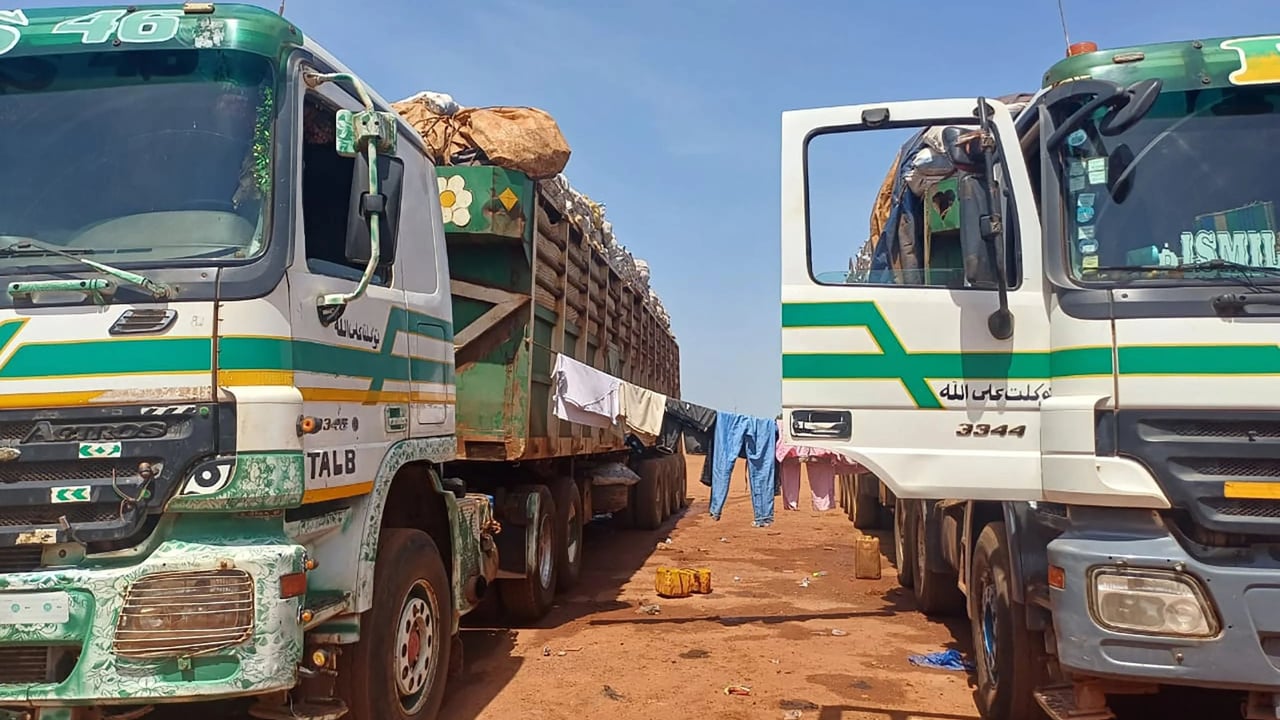
Dakar-Bamako axis: vital traffic halted between Senegal and Mali

The crucial transport artery linking Dakar, Senegal, with Bamako, the capital of Mali, is currently experiencing a significant interruption, effectively halting the flow of traffic along this vital West African corridor. This disruption has immediate and far-reaching consequences for regional commerce and the movement of goods and people between the two nations.
The cessation of traffic on this key route underscores the persistent challenges faced by West Africa, particularly in the Sahel region. The broader security environment, marked by the activities of various extremist entities, including the Group for the Support of Islam and Muslims (Jnim), frequently impacts essential transit pathways. Such instability creates an unpredictable landscape for overland travel and trade, directly affecting economic stability and daily life for countless citizens.
For merchants, transporters, and individual travelers, the closure of the Dakar-Bamako axis presents considerable logistical hurdles and financial losses. This route is not merely a path between two cities; it serves as a lifeline for economic exchange, facilitating the import and export of goods critical to the economies of both Senegal and Mali. The current halt in operations highlights the urgent need for enhanced security measures and regional cooperation to safeguard these indispensable cross-border connections.
