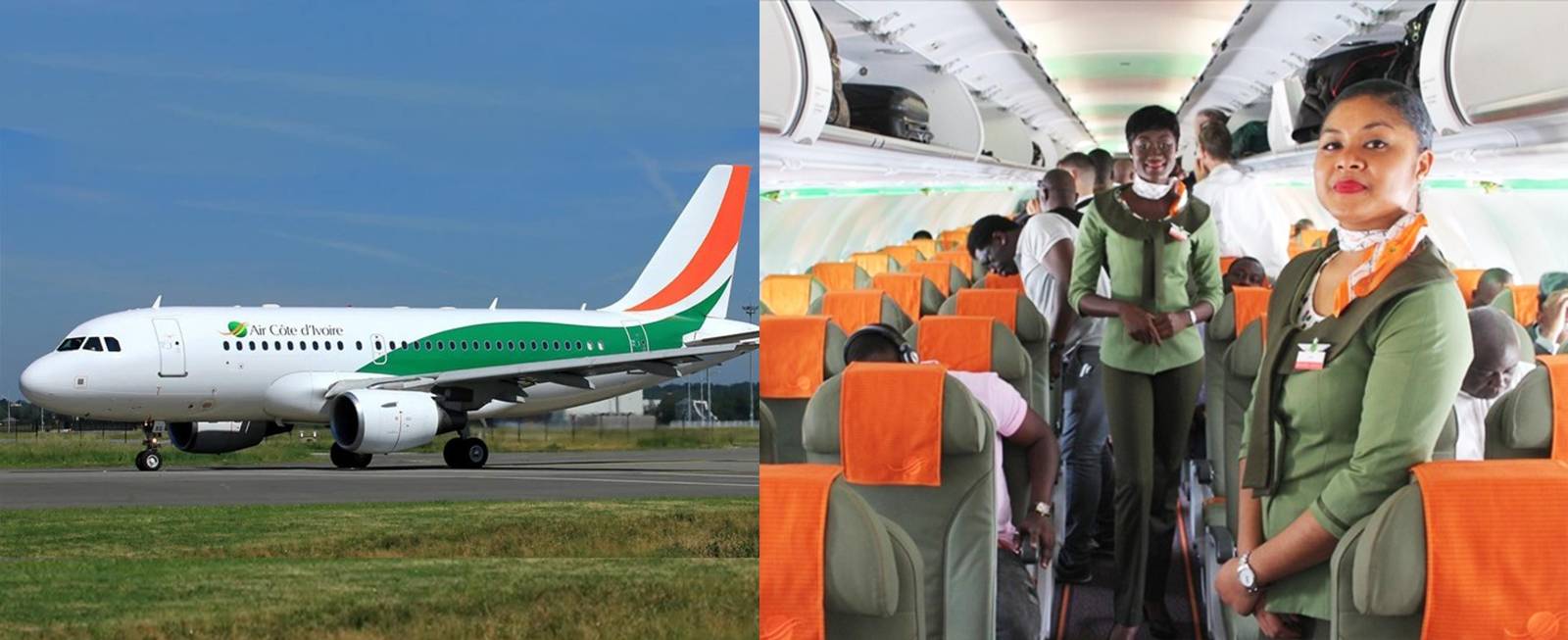
Côte d’Ivoire’s strategic tax cut to invigorate air transport
The Ivorian government has initiated a decisive measure. To bolster the national carrier, Air Côte d’Ivoire, and broaden access to air transportation, a substantial 25% decrease in passenger levies has been formally enacted.
This move sends a powerful message to the aviation industry. By opting to cut airport charges by a quarter, the Ivorian administration is not merely making a symbolic gesture; it is embarking on a strategic reform aimed at fundamentally transforming the nation’s air transport sector for sustained growth.
The rationale behind this significant reduction
For many travelers, the ultimate cost of an airline ticket often appears opaque. However, a considerable portion of this final price is comprised of various taxes and fees, which are allocated not to the airline itself, but to the state and the authorities managing the airports.
By directly addressing these charges, the government is activating two primary mechanisms:
- Enhanced Traveler Affordability: The reduction in levies directly translates to a lower ticket price. Consequently, air travel, previously viewed as an exclusive luxury, is becoming increasingly accessible to a wider demographic.
- Strengthened Competitiveness for Air Côte d’Ivoire: In the face of dominant international carriers, the national airline now possesses a competitive pricing advantage, enabling it to attract a greater volume of passengers and ensure higher occupancy rates for its fleet.
Abidjan: Envisioning a future West African aviation hub
This initiative is not an isolated policy; it forms an integral part of a broader strategic objective: to establish the Félix Houphouët-Boigny International Airport in Abidjan as a prominent regional aviation hub. It has been noted that: « Previously, aviation taxation was deemed excessively burdensome, impeding citizen mobility and hindering the expansion of our national airline. Through this 25% reduction, we are removing a significant impediment to growth. »
By making Abidjan a more economically attractive destination for both airlines and passengers, Côte d’Ivoire aims to capture a larger share of the passenger traffic across West Africa and beyond.
Key implications of the reform:
- Policy Actions: Implementation of a 25% tax reduction; direct support extended to Air Côte d’Ivoire; pursuit of a regional hub ambition.
- Strategic Objectives: Decreased airfare costs; enhancement of the national carrier’s strength; transformation of Abidjan into a central aviation nexus.
- Primary Beneficiaries: Both Ivorian and international air travelers; the national economy of Côte d’Ivoire; and the nation’s regional prominence.
