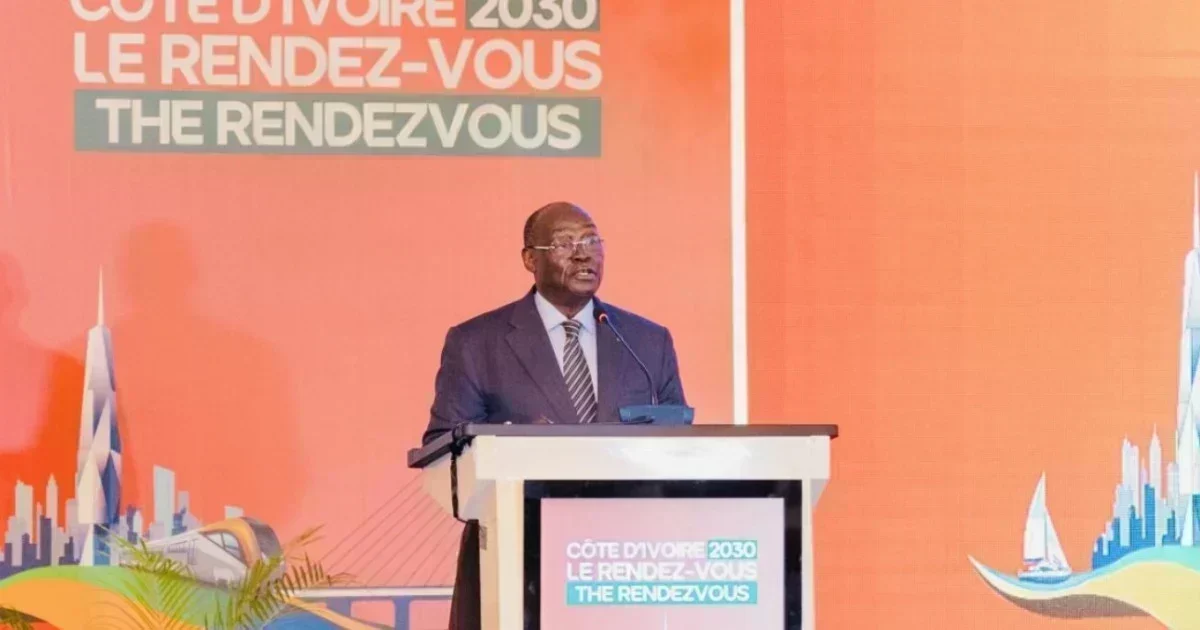
Côte d’Ivoire secures record foreign investments to fuel growth
Côte d’Ivoire has surpassed all expectations in securing international funding, locking in over $80 billion to power its National Development Plan through 2030. This financial windfall underscores the country’s economic rebound and renewed investor confidence.
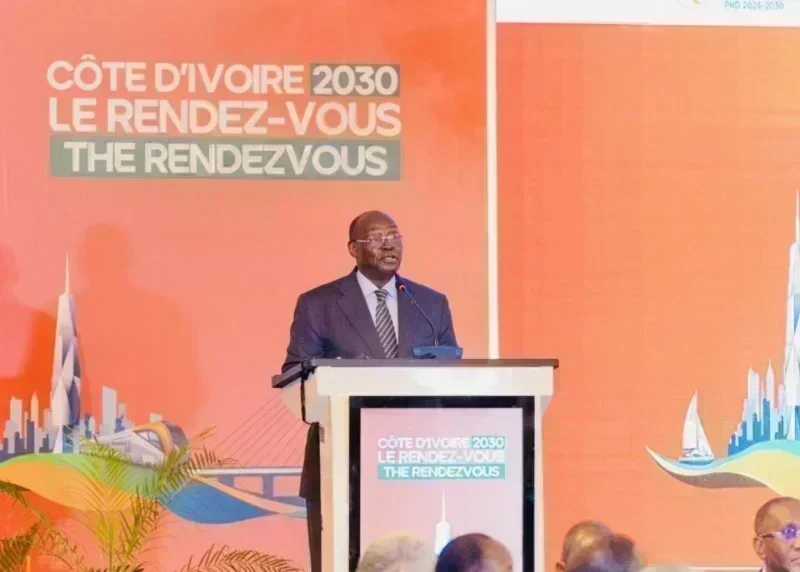
The country’s Minister of Planning revealed that Côte d’Ivoire received four times the anticipated public funding for its 2030 development agenda during a high-profile investor forum in Abidjan this week. Over $200 billion in total financing has now been pledged for the ambitious plan.
Côte d’Ivoire’s economic turnaround has been remarkable. After overcoming a turbulent decade of political instability that began in the early 2000s, the nation now boasts one of West Africa’s most dynamic economies, with average annual growth exceeding 6.5% in recent years.
Government officials and private sector leaders converged for the two-day event, where key priorities were outlined: bolstering security, modernizing agriculture—which accounts for one-fifth of GDP—developing homegrown industry champions, and expanding critical infrastructure, including high-speed rail networks.
Unprecedented financial backing
Originally targeting around $20 billion in public financing, Côte d’Ivoire’s development partners have committed to more than $80 billion in support. Major institutions like the World Bank, African Development Bank, and European Union are leading the charge.
«Every indicator is nearly in the green», the Minister of Planning emphasized, noting that over 70% of the total funding—nearly $150 billion—is expected to come from private investors. The complete $209 billion plan blends public and private capital to drive transformation across sectors.
This milestone follows Côte d’Ivoire’s successful February bond issuance, raising $1.3 billion on international markets at exceptionally low interest rates for an emerging economy. The International Monetary Fund further reinforced confidence by approving nearly $833 million in support programs in late June.
While the IMF projects a slight economic slowdown to 6% growth in 2026 (down from 6.5% in 2025) alongside a modest inflation uptick to 3.3%, the overall outlook remains strong. The government is actively diversifying the economy beyond its traditional agricultural base, tapping into new opportunities in mining, gas, and oil.
