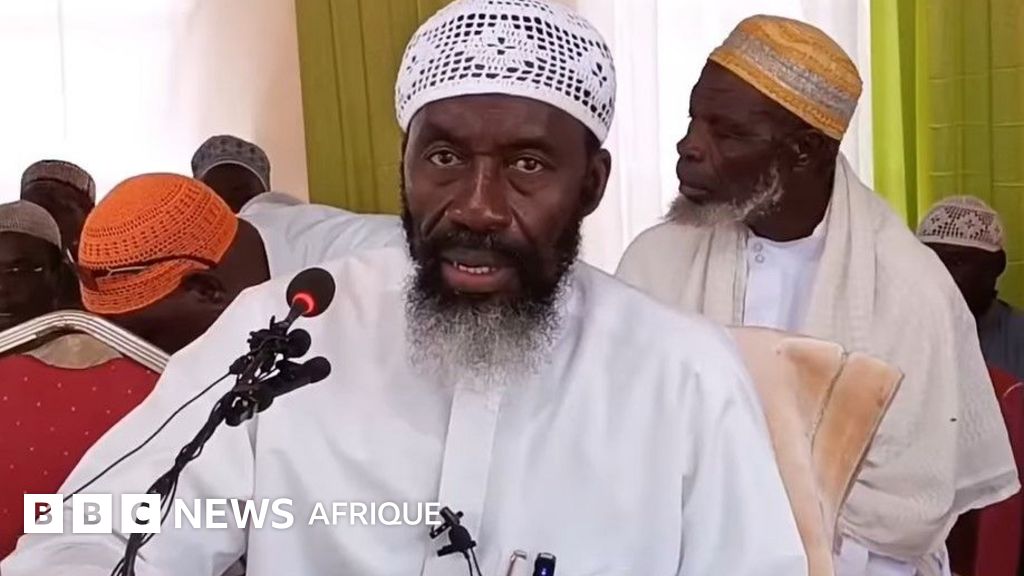
Controversial arrest of sunni imam mohamad kondo in Ouagadougou
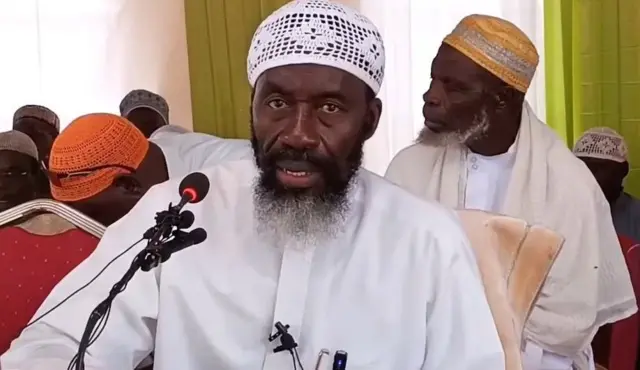
The capital of Burkina Faso is in turmoil following the high-profile detention of influential Sunni imam Mohamad Ishaq Kindo, a prominent religious leader and president of the country’s Sunni Oulémas association. The arrest, carried out in broad daylight on the afternoon of May 26 in the heart of Ouagadougou, has sent shockwaves through the Muslim community and beyond.
what triggered the detention?
The arrest came just two days after imam Kindo publicly criticized the newly adopted religious freedoms bill, passed by Burkina Faso’s government on March 19. In a widely circulated recording, he questioned the authorities’ motives, warning them to reflect deeply on the consequences of their actions.
His remarks included a stern warning: “Let no one dare attempt to ban prayers in public spaces. Whether you are a leader or a powerful figure, you possess neither the strength nor the authority of God.”
how did the arrest unfold?
Witnesses describe a tense and forceful operation. Around 2:00 p.m. local time—on the eve of the Eid al-Fitr celebrations—a team of security personnel, including masked police and military members, moved in to detain the imam. The operation sparked immediate resistance from his followers, leading to clashes and injuries among the faithful.
His family and close associates confirmed the violent nature of the arrest, noting that several worshippers were hurt during the confrontation. The Fédération des Associations Islamiques du Burkina (FAIB) quickly issued a statement condemning the lack of transparency surrounding the detention and demanding clarity from authorities.
public backlash and calls for calm
The imam’s arrest has ignited protests in Ouagadougou. Within hours, hundreds took to the streets, demanding his immediate release. The demonstration was met with tear gas, according to witnesses, as authorities moved to disperse the crowd.
The FAIB urged the Muslim community to remain calm and avoid escalating tensions, stressing the importance of peaceful dialogue and restraint.
no official response yet
Despite the growing unrest, no formal statement has been issued by the government regarding imam Kindo’s detention. The silence has only deepened concerns among his supporters and the broader public.
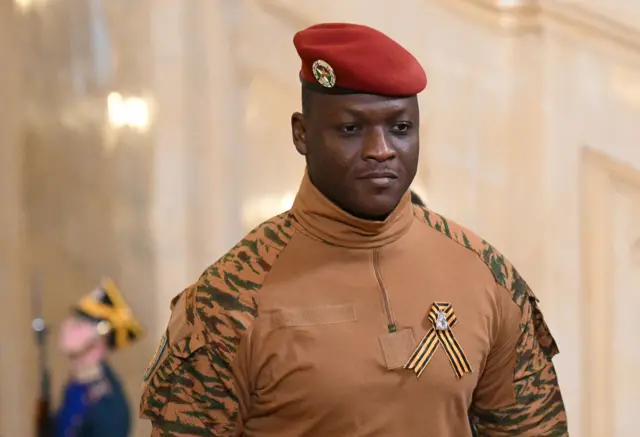
Meanwhile, in a post-Eid address, Captain Ibrahim Traoré, the head of state, paid tribute to security forces battling jihadist groups in the region. He also issued a stern warning to “enemies of the nation,” threatening severe consequences for anyone attempting to undermine national stability or demoralize the armed forces.
understanding the religious freedoms law
The controversial bill, adopted in late March, aims to regulate religious practices and curb online extremism and hate speech. Authorities argue it is necessary to strengthen national cohesion amid rising security threats.
Key provisions include a ban on constructing religious buildings within public administration premises—except in hospitals, prisons, and military camps. While prayers in public spaces remain permitted, they must respect the beliefs of others.
Mariem Sanogo, director general of religious, customary, and traditional affairs, emphasized that the law was updated to address growing radicalization and online incitement. The government insists the measures are essential to preserve peace and stability in a fragile security environment.
a climate of restriction
Since the military takeover in 2022 under Captain Traoré, Burkina Faso has seen a tightening of political freedoms, with critics and activists facing detentions and disappearances. The regime justifies its crackdown as necessary to combat a decade-long jihadist insurgency that has destabilized large parts of the country.
As the Muslim community awaits further developments, the arrest of imam Kindo has become a flashpoint in the broader debate over freedom of expression, religion, and governance in the Sahel region.
