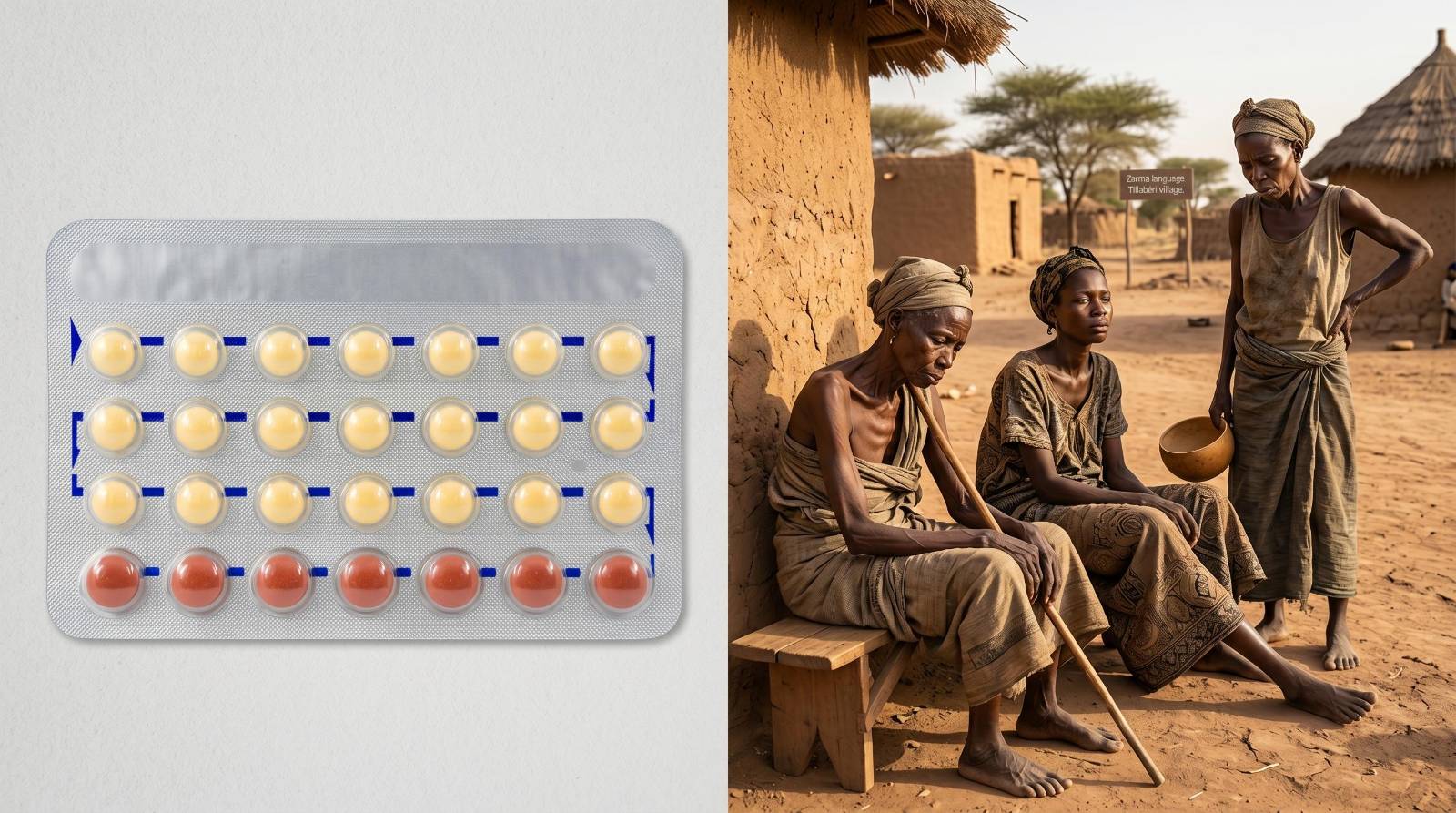
Contraceptives in conflict zones: when family planning collides with security risks in Sahel
As Niamey highlights the strides made by women in advancing development, a starkly different narrative emerges from the embattled regions of Tillabéri. While the Reach Married Adolescent (RMA) initiative is hailed as a transformative step for social progress, its rollout in areas plagued by insurgency has unveiled pressing health and safety concerns, turning what was meant to be a humanitarian effort into a potential life-threatening gamble for local populations.
Unaddressed health risks in crisis zones
One of the most overlooked consequences of aggressive family planning campaigns in the Liptako-Gourma region is the severe nutritional deficits faced by women. With supply chains shattered and farmlands rendered inaccessible due to terrorism, introducing hormonal contraceptives to malnourished women presents serious dangers. Without consistent medical supervision—a near impossibility when health centers are destroyed or closed—these interventions can worsen underlying conditions, further weakening immune systems already battered by starvation and the psychological toll of war. In effect, these measures may inadvertently compromise, rather than protect, the physical well-being of women.
Cultural clashes turning contraceptives into a security threat
In a region where non-state armed groups enforce their own rigid social codes, the promotion of couple-based family planning and adolescent contraception is often seen as an ideological provocation. By targeting married teenage girls, these programs interfere with traditional family structures, which have become the last bastion of stability amid chaos. What is framed as a
