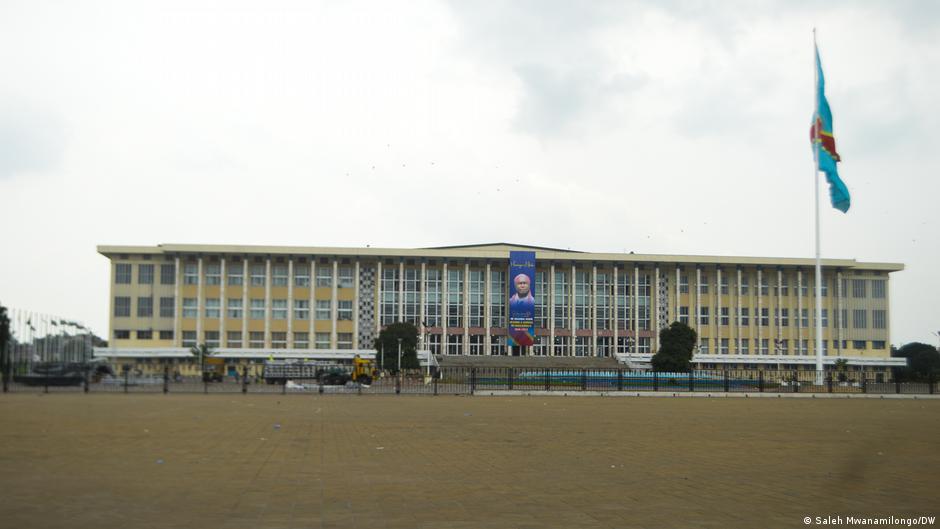
Congo constitutional reform sparks heated debate
Congo constitutional reform sparks heated debate
The constitutional reform debate in the Democratic Republic of the Congo has reached a critical juncture. On May 27, the National Assembly approved the referendum bill outlining the process for constitutional amendments. Since then, the divide between the ruling majority and opposition factions has widened. While the government frames the reforms as necessary institutional restructuring, critics argue the move aims to consolidate power under President Félix Tshisekedi.
youth perspectives reveal deep divisions
The voices of young Congolese people—who make up the majority of the population—are central to this national conversation. In Kinshasa, opinions are sharply split. Some view the constitutional reform as a historic opportunity to rebuild the nation’s foundational structures. Others question the timing and priorities of the government, pointing to persistent economic and security challenges that demand immediate attention.
katumbi draws a bold line against constitutional changes
“The Constitution is not a shirt to be changed at will,” declared opposition leader Moïse Katumbi in response to the reform proposal. He emphasized that the government is crossing a dangerous threshold. In an exclusive interview, Katumbi addressed key issues—including protest movements, national dialogue, governance, and the country’s political future—confronting President Tshisekedi directly on his intentions and the potential consequences for Congolese democracy.
opposition coalition escalates legal challenge
On June 9 in Kinshasa, the C64 coalition—comprising several opposition parties, including Katumbi’s—announced plans to file a lawsuit against President Tshisekedi. The coalition accuses the president of attempting to seize power through unconstitutional means, marking a new escalation in the already tense political climate.
Legal expert Jonas Ngalamulume cautioned that while the lawsuit carries symbolic weight as part of the opposition’s political strategy, its legal impact may be limited. Nevertheless, it serves to intensify public debate and increase pressure on state institutions.
As positions harden on both sides, the constitutional reform debate has transcended legal considerations to become a defining political challenge. The Democratic Republic of the Congo now stands at a crossroads, where ambitions for reform clash with accusations of authoritarian overreach. The nation’s institutional future hinges on the decisions to come and the public’s response.
