Chad: governing through chaos and deliberate institutional void
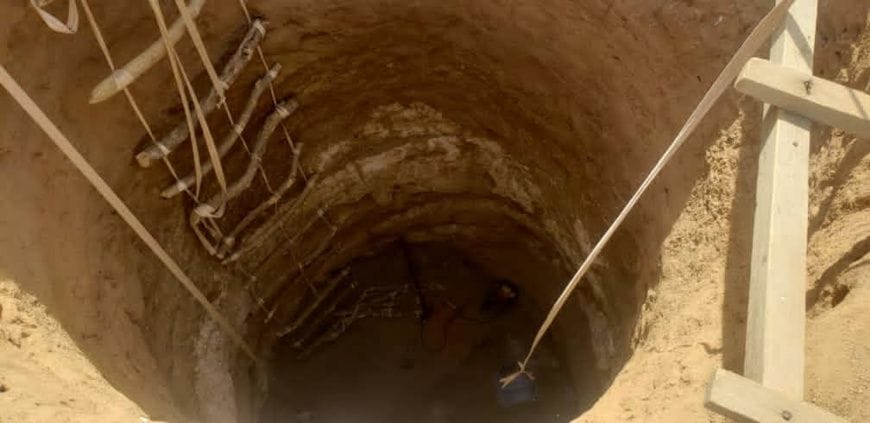
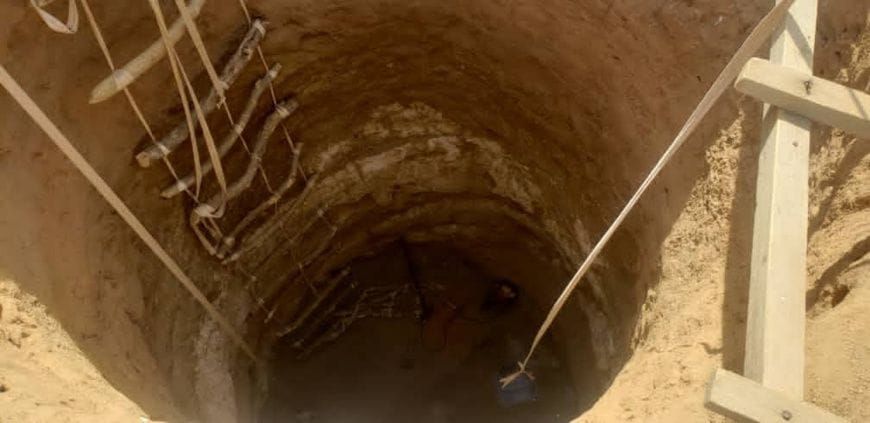
In Chad, fatalities over a water well in the 21st century are not predetermined by fate or ancient customs; they stem directly from a deliberate institutional vacuum.
For over three decades, the same pattern has persisted in Chad. While leaders change, often through dynastic succession, the bloodshed continues daily, a stark symbol of systemic failure. Rather than resolving inter-communal disputes, authorities appear to orchestrate them. The roar of aircraft engines and dusty convoys, which envelop villages and obscure the suffering of victims, seem to be preferred over the impartial and effective application of independent justice. This situation reveals a meticulously organized governmental breakdown.
The charade of official visits, the harsh reality on the ground
When clashes erupt over vital resources like water wells or grazing lands, the state’s reaction unfolds like a well-rehearsed play. High-level delegations arrive, elaborate mediation efforts are staged, and paternalistic speeches are delivered. Yet, once the dust from the official 4x4s settles, little has genuinely changed. This performative approach comes at a significant cost. The funds allocated for a single presidential tour or a showy pacification mission could instead finance the drilling of thousands of modern wells, transforming scarce resources into communal assets. However, investing in lasting infrastructure would eliminate the pretext for leaders to repeatedly intervene as “saviors,” thus fostering a dependency on such interventions by deliberately weakening state institutions.
Fragmented institutions, a constrained judiciary
In many other nations, heads of state do not personally intervene in local disputes, not out of indifference, but because robust national systems handle such matters. In Chad, however, the political establishment has systematically undermined the judicial system. A strong, independent judiciary poses a threat to those who govern through arbitrary power. By preventing courts from impartially resolving conflicts, the state effectively compels citizens to resort to self-justice. Deaths over a water well in the 21st century are neither divine destiny nor ancient tradition; they are the direct consequence of a purposefully sustained institutional void. This represents a complete political failure, as the focus remains on crisis management rather than on building a unified and prosperous nation.
