CEDEAO’s dilemma: dialogue with Sahel juntas under scrutiny
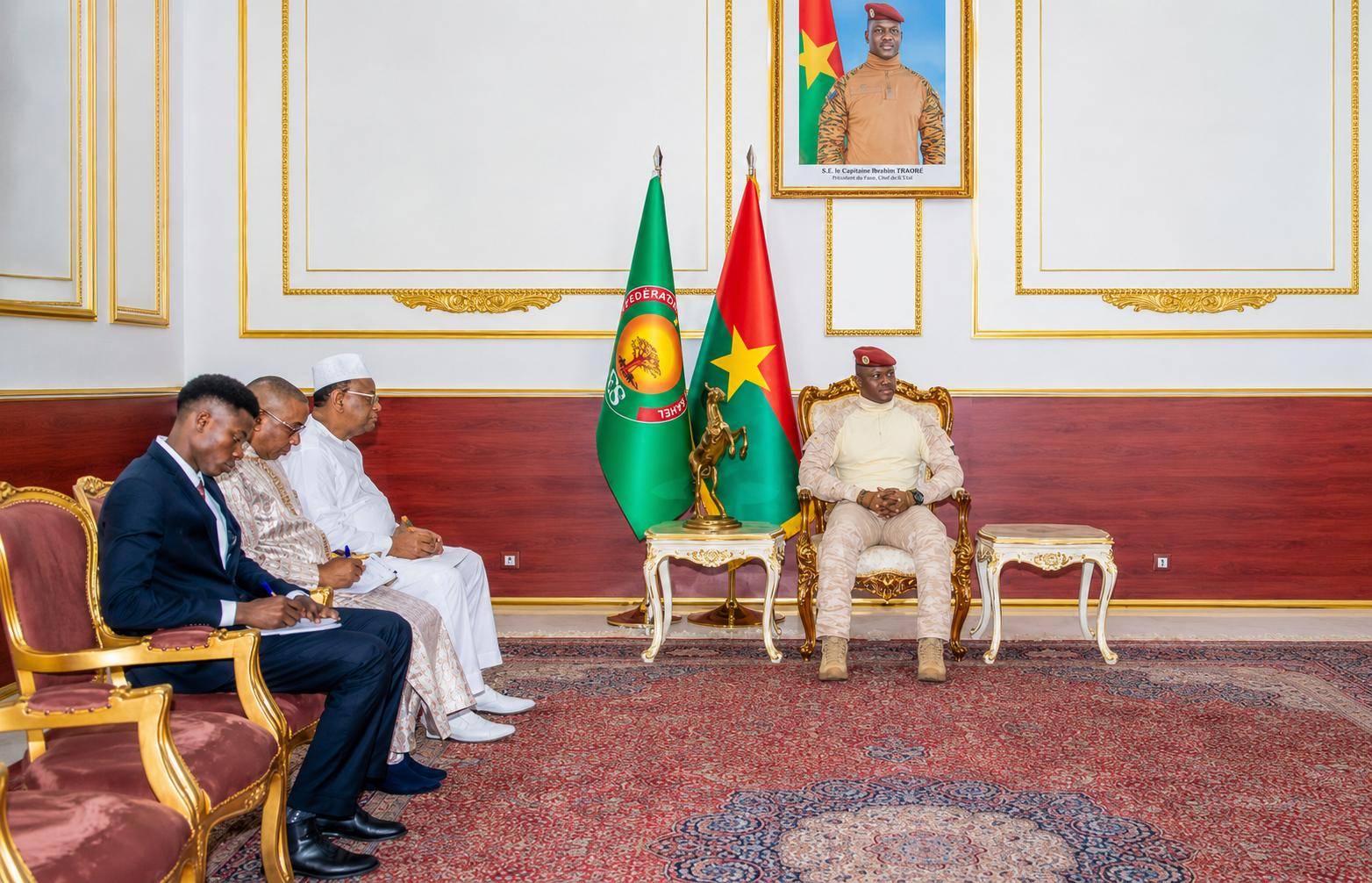
The CEDEAO mediator’s visit to Ouagadougou reignites regional diplomacy
Lansana Kouyaté’s recent mission to Ouagadougou, as the Economic Community of West African States (CEDEAO) envoy to the Alliance of Sahel States (AES), has thrust regional diplomacy back into the spotlight. In his meeting with Captain Ibrahim Traoré, the mediator championed an unwavering message: cooperation remains indispensable. Geography and shared humanity, he argued, cannot be severed by political decrees alone. While the CEDEAO’s approach reflects a pragmatic grasp of realities, skepticism looms large—fueled by a long history of regimes that routinely renege on their word.
The case for dialogue: balancing pragmatism and economic survival
The CEDEAO’s decision to prioritize dialogue over confrontation is a testament to its political maturity. After all, severing ties abruptly would only deepen the crisis for millions already grappling with terrorism and poverty.
Consider the lifeline of trade: over 70% of the Sahel’s landlocked nations—Burkina Faso, Mali, and Niger—rely on coastal ports within the CEDEAO bloc for essential supplies. Cutting off these routes would strangle economies already on the brink. The bloc’s refusal to punish civilians for their leaders’ choices is both principled and prudent.
Then there’s the grim reality of terrorism. Jihadist groups operate across borders with impunity, heedless of treaties or alliances. A security strategy that ignores this fluid threat is doomed to fail. The CEDEAO’s push for coordinated regional action, however imperfect, is an attempt to salvage what little cooperation remains.
Why skepticism persists: a pattern of broken promises
Yet the CEDEAO’s diplomacy faces a critical flaw: the glaring asymmetry in good faith. The AES member states—Burkina Faso, Mali, and Niger—have a documented track record of abandoning agreements, both domestically and internationally.
Take their original transition timelines. When the juntas first seized power, they pledged to restore constitutional order within 18 to 24 months. Instead, these timelines have been scrapped entirely, with elections indefinitely postponed under the guise of security imperatives.
The pattern of international betrayal
The CEDEAO has been here before. Agreements signed in good faith—whether in Bamako or Ouagadougou—were later discarded once political winds shifted. Regional integration, painstakingly built over decades, has been dismantled in weeks to feed populist rhetoric. Negotiating with partners who treat international law as optional is like building on sand—it offers no foundation for lasting cooperation.
The broken social contract at home
Worse still is the betrayal of their own people. The AES juntas rose to power promising security and a rebirth of the state. Today, their legacy is defined by:
- Banning opposition parties and stifling civil society.
- Silencing independent media and pursuing critics under the banner of “national unity.”
- Failing to curb the escalation of violence, despite shifting geopolitical alliances.
In short, these regimes have failed the most basic duty of any state: protecting citizens while safeguarding their fundamental freedoms.
The path forward: dialogue with teeth
The CEDEAO is right to seek a peaceful resolution. Maintaining economic and technical ties is vital for the subregion’s survival. However, vigilance is non-negotiable.
The institution cannot afford to legitimize de facto regimes that use negotiations as a smokescreen to consolidate personal power. Dialogue must come with ironclad guarantees—verifiable milestones, accountability measures, and no tolerance for further delays. Without these safeguards, this latest mediation effort risks repeating a familiar cycle: hollow promises followed by inevitable betrayal.
