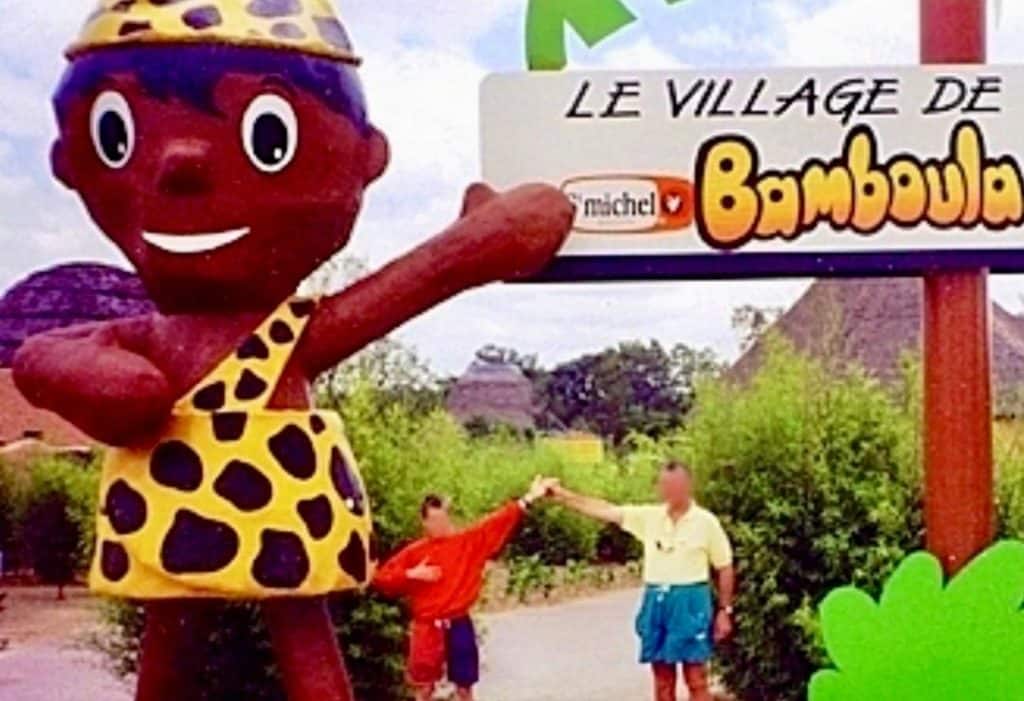
Captain ibrahim traoré revives the bamboula village scandal’s forgotten history
Some historical narratives resonate across decades, their power undiminished. They persist not merely as relics of the past, but as potent questions challenging our collective conscience. In Ouahigouya, on July 16, 2026, addressing the people of the Yaadga region, Captain Ibrahim Traoré brought one such painful episode back into sharp focus: the infamous Bamboula Village. This incident serves as a stark reminder that even in the late 20th century, human beings could still be displayed as objects of curiosity.
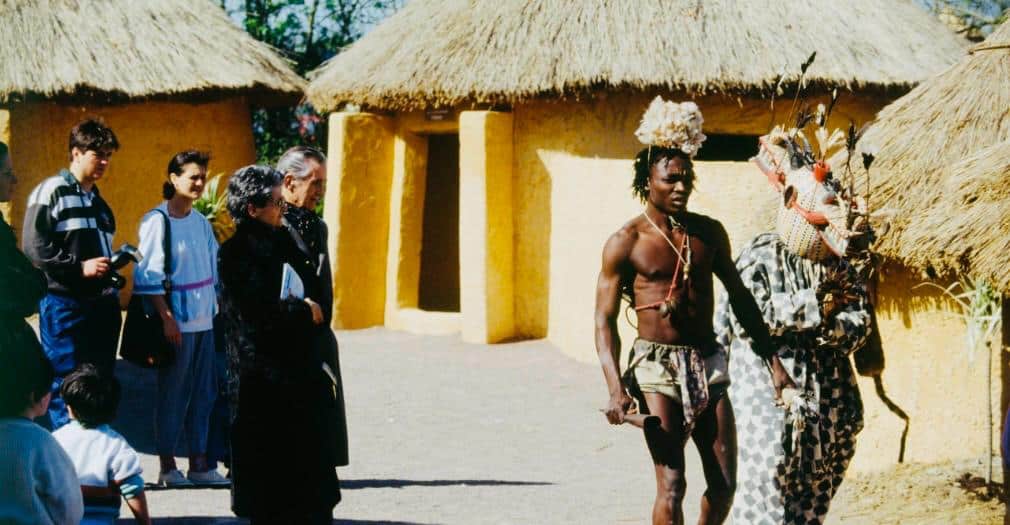
This particular story unfolds far removed from the 19th-century colonial exhibitions, taking place in France in 1994. Near Nantes, in Port-Saint-Père, an animal park unveiled an area marketed as an “African village.” Beneath the facade of traditional huts and the official narrative of cultural exchange, a much darker reality was concealed.
Twenty-five individuals, primarily Ivorian men, women, and children, journeyed from their homeland under the impression they would participate in a genuine cultural experience. They believed they would share their traditions and contribute to a broader understanding of their heritage.
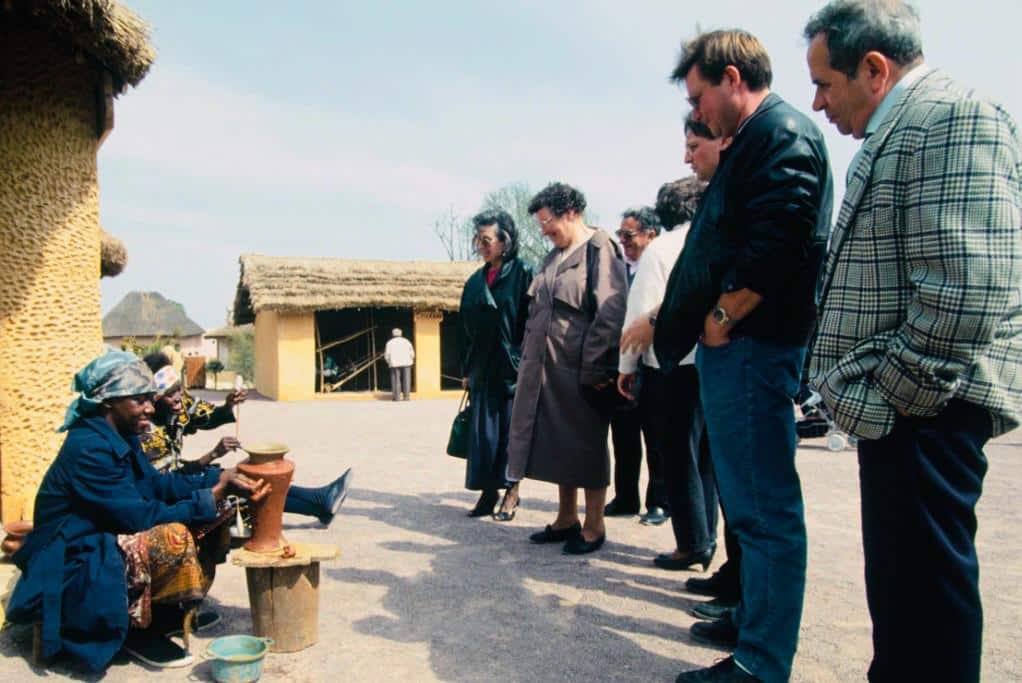
However, upon their arrival, the situation took a disturbing turn. Accounts from that period indicate their travel documents were confiscated, and their living conditions progressively deteriorated, becoming incompatible with any notion of a simple cultural exchange.
For several months, they lived under the constant gaze of visitors who came to observe their daily lives within a setting purportedly representative of Africa. Their very existence was transformed into a spectacle, orchestrated around stereotypical portrayals.
Children grew up deprived of a normal educational environment, while adults were compelled to fulfill the expectations of an audience seeking a folklorized vision of Africa. What truly underscored the gravity of this affair was not merely the existence of the Bamboula Village itself, but the specific period in which it occurred.
This was no longer the era of the transatlantic slave trade or the grand colonial exhibitions. The event unfolded long after the abolition of slavery in France, subsequent to the adoption of the Universal Declaration of Human Rights, and several decades following the independence of African nations.
Yet, in 1994, individuals could still be presented as a public attraction. In response to mounting criticism, various associations, intellectuals, and human rights advocates vehemently denounced the park’s practices. The controversy intensified, ultimately leading to the closure of the Bamboula Village. Nevertheless, the physical closure of a site does not erase the indelible marks left upon collective memory.
A powerful reminder of history’s enduring impact
By recounting this incident in Ouahigouya, Captain Ibrahim Traoré did more than just recall a historical fact. His address was part of a broader discourse on memory, human dignity, and the imperative for African peoples to fully grasp their own history.
The Bamboula Village thus emerges as a potent symbol of the power dynamics and dehumanizing representations that characterized certain periods of the relationship between Africa and Europe.
Remembering this history is not about fostering resentment, but about comprehending the underlying mechanisms that allowed such practices to occur, thereby preventing their recurrence. For the Bamboula Village is more than just the story of a defunct park. It serves as a profound reminder that no society is ever entirely immune to assaults on human dignity.
When embraced, memory transforms into a vital tool for vigilance: it empowers current and future generations to uphold an essential value—the profound respect for every human being.
