Cameroun unveils ambitious plan to modernize transport and logistics infrastructure
Cameroun unveils ambitious plan to modernize transport and logistics infrastructure
To boost economic growth and global competitiveness, Cameroun has rolled out a comprehensive strategy aimed at transforming its road, rail, and logistics networks.
Transforming Cameroun’s transport network for future growth
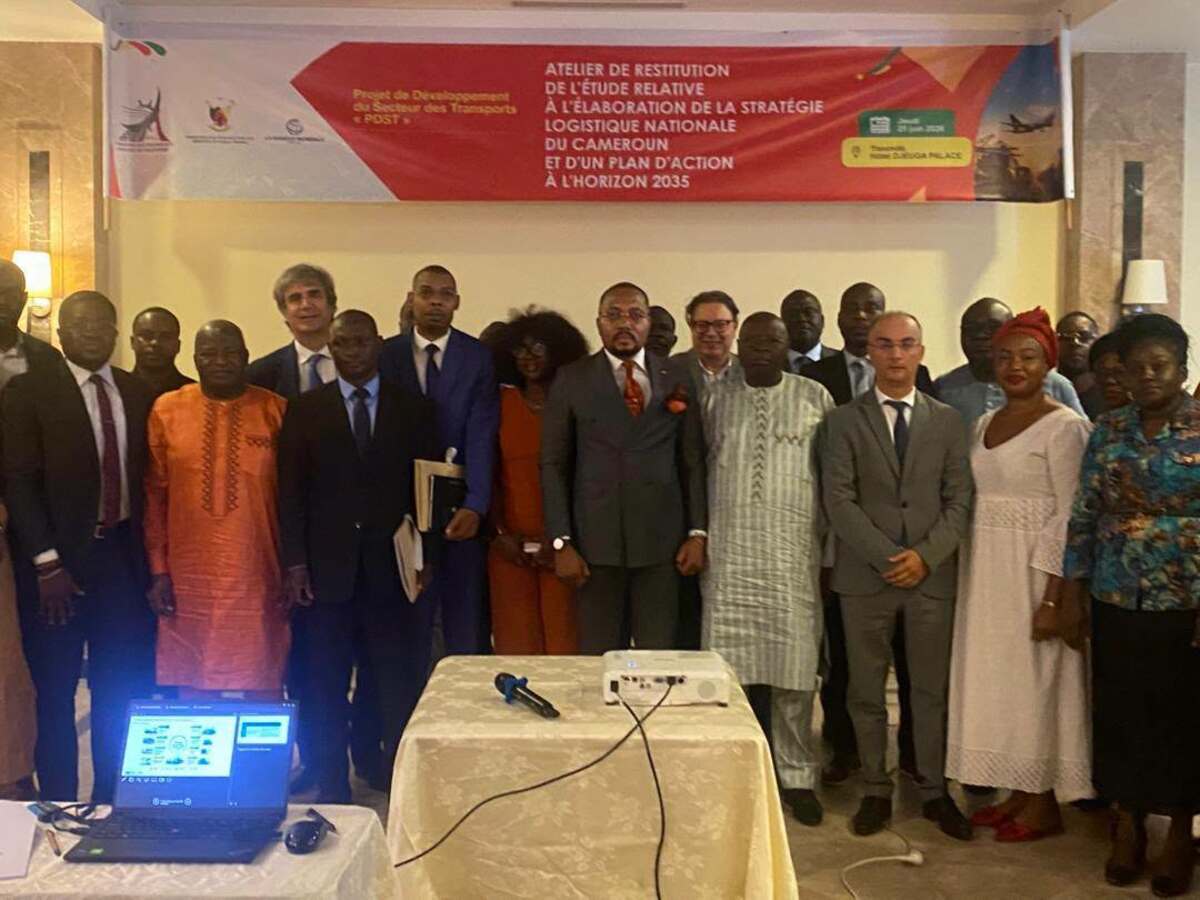
Cameroun is taking bold steps to revamp its transport and logistics infrastructure as part of a broader push to enhance national competitiveness and economic integration. A two-day workshop held on 24–25 June 2026 marked the culmination of extensive feasibility studies for key initiatives: the establishment of a Land Transport Regulatory Agency (ARTT) and the development of a National Logistics Strategy (SLN) with a 2035 action plan.
The high-level gathering brought together Mbamome Nkendong Divine, Director of Road Transport (DTR), Claude Misse Ntone, Director of Rail Transport (DTF), along with experts from Idea Consult International/TRT Studi Cameroun and representatives from partner ministries and financial institutions such as the World Bank and the African Development Bank.
In his opening remarks, the DTR emphasized the critical importance of the preliminary findings, which will guide the next phases of these transformative projects. Consultants presented detailed analyses of the studies, highlighting actionable insights for policymakers and stakeholders.
Land Transport Regulatory Agency to launch in Yaoundé
The proposed ARTT will be headquartered in Yaoundé, initially focusing on road transport before gradually expanding its mandate. The agency’s establishment requires an initial investment of 260 million CFA francs, covering institutional setup, office infrastructure, and essential IT equipment.
National Logistics Strategy outlines eight-pillar roadmap
The SLN study provides a comprehensive assessment of Cameroun’s logistics ecosystem, identifying strategic priorities, key challenges, and long-term objectives. It proposes an eight-pillar action plan, with rail investments forming the cornerstone. Estimated costs for the rail-focused components reach 40 billion euros, alongside the creation of a National Logistics Council tasked with interministerial coordination and arbitration.
Following the workshop, the Director of Road Transport praised the depth of contributions and constructive dialogue. He urged all stakeholders to remain committed to advancing these critical projects that will shape the future of land transport in Cameroun.
Be the first to comment

Comments