Cameroon’s Chad pipeline transit fees surge to 12.2 billion fcfa
Cameroon has seen its transit fee revenue from Chadian oil, transported through the crucial Chad-Cameroon pipeline, climb to 12.2 billion FCFA during the initial four months of 2026. Data released by the Pipeline Steering and Monitoring Committee (CPSP) indicates a substantial year-on-year increase of 1.2 billion FCFA, marking an 11% rise compared to the same period in 2025. This robust financial outcome is attributed to the cumulative volume of 16.1 million barrels of Chadian crude oil moved across Cameroonian territory within the specified timeframe.
A vital infrastructure for Chad’s energy access
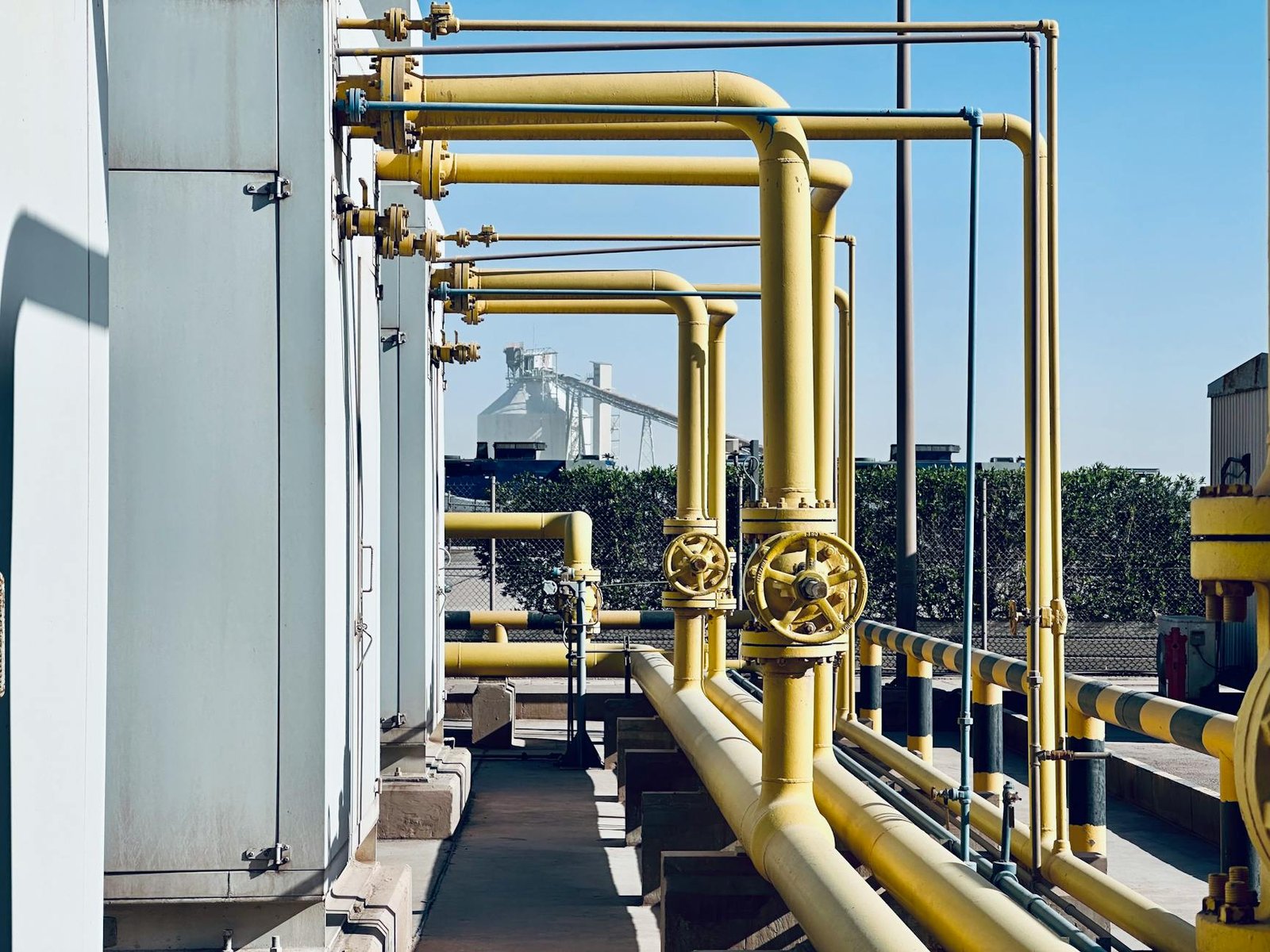
Spanning 1,080 kilometers, this essential pipeline connects Chad’s southern oil fields directly to the Komé-Kribi export terminal on Cameroon’s coast. Lacking direct maritime access, N’Djamena relies entirely on this conduit to deliver its crude oil production to international markets. The infrastructure, commissioned in the early 2000s under the initial leadership of an ExxonMobil-led oil consortium, continues to be the singular viable export route for Chadian crude.
For Cameroon, Chad’s geographical reliance translates into a consistent and significant budgetary inflow. Each barrel of oil traversing Cameroonian land contributes a transit fee of 1.321 dollars, which is then directed to the public treasury. While the system is straightforward, its cumulative impact bolsters the nation’s non-tax revenues, especially as Yaoundé actively seeks to diversify its income streams amidst a gradual decline in its domestic hydrocarbon production.
Transit fees more than tripled over two decades
The current fee structure is the outcome of extensive negotiations initiated in 2013. Initially, the per-barrel tariff stood at 0.41 dollars, a rate deemed insufficient by Cameroonian authorities given the environmental and logistical burdens borne by the transit nation. Following pressure from Yaoundé, an agreement was reached for quinquennial revaluations, leading to two subsequent revisions in 2013 and 2018, which elevated the transit fee to its present level.
In practical terms, the per-unit transit revenue has more than tripled over a span of fifteen years. This upward trend has enabled Cameroon to progressively align its transit financial terms with benchmarks seen in other African oil corridors, mirroring systems like the BTC in Central Asia or the existing arrangements for the neighboring COTCO Chad-Cameroon pipeline. However, the anticipated next phase of this indexation has yet to materialize.
2023 revaluation remains pending
Based on the agreed-upon timeline between the involved parties, another increase in transit fees was slated to take effect on October 1, 2023. More than two years have passed since then, yet no official statement has confirmed the conclusion of discussions or formalized any revaluation. The ongoing silence surrounding this matter raises questions, especially considering the Cameroonian authorities’ recent emphasis on optimizing petroleum revenues.
Several elements could account for this prolonged standstill. Chad’s current circumstances, characterized by the post-Déby political transition and N’Djamena’s budgetary constraints, undoubtedly restrict the negotiating flexibility of Chadian representatives. Furthermore, Chadian oil production has experienced significant fluctuations, potentially leading operators to advocate for tariff stability to maintain profitability in aging fields. From the Cameroonian perspective, the objective is diametrically opposed: to maximize returns from an infrastructure with a finite operational lifespan.
Nevertheless, the current momentum inherently benefits the state budget. Should the pace observed during the first four months persist, annual transit fee revenues could significantly surpass 35 billion FCFA in 2026. This would solidify the Chad-Cameroon pipeline’s standing as one of Yaoundé’s strategic foreign exchange earners, alongside Kribi gas and agricultural exports. No official updates have yet emerged regarding the outcome of the ongoing tariff negotiations with Chad.
