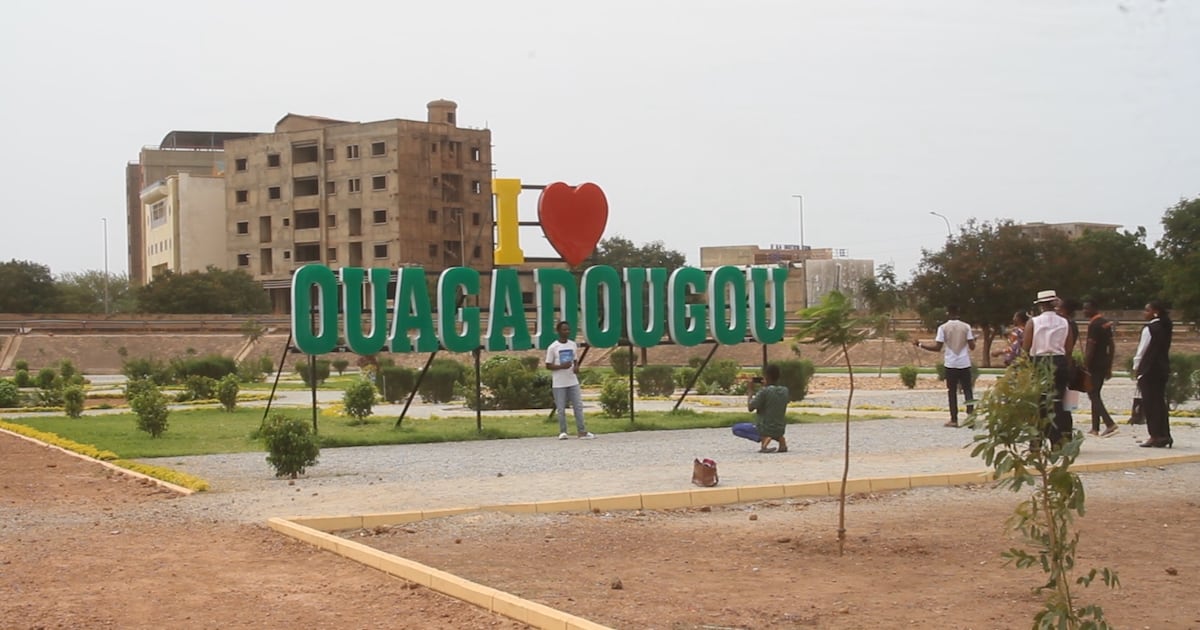
Burkina Faso’s urban greening initiative fights heat and dust
The national urban greening initiative in Burkina Faso is transforming the country’s cities by creating 80 new green spaces, 60 landscaped roundabouts, and 65 kilometers of tree-lined streets. These efforts represent a bold step toward reimagining urban life in Burkina Faso’s towns and cities.
In cities like Ouagadougou, where dust storms and scorching temperatures make daily life challenging, these green spaces offer more than just aesthetic appeal. The newly developed green area near the Ouaga 2000 interchange, for example, is already making a noticeable difference in the lives of residents—and visitors alike.
«I was simply overjoyed when I saw these spaces. As a member of the Burkinabè diaspora living in Senegal, I’ve been here for a week, and these green areas have completely captivated me», shares Dr. Ines Bationo, a Burkinabè visitor from abroad.
Beyond the immediate visual transformation, urban greening provides tangible environmental benefits. Studies from cities worldwide confirm that increased tree cover and green spaces can naturally lower urban temperatures. Strategically planted street trees and shaded walkways help reduce the heat island effect, easing the burden of heatwaves on residents. Research indicates that widespread greening could reduce average city temperatures by up to 2°C, with shaded areas experiencing temperatures as much as 4°C cooler than open, sun-exposed spaces.
Mahamadi Ouedraogo, a community leader, emphasizes the urgency of embracing ecological solutions: «Before, it was just bare earth, red and lifeless. Now, it’s beautiful—there’s even a microclimate forming, which is exactly what we need. We’re a Sahelian country, but when the heat becomes unbearable, we must prioritize ecological thinking».
These green spaces also foster social cohesion and civic pride. They serve as gathering spots for relaxation, community events, and cultural activities, strengthening the bond between citizens and their urban environment. Sidoine Nakanabo, a local visitor, expresses her enthusiasm: «It’s wonderful. It’s a place to unwind, and it’s also boosting tourism in Burkina Faso».
However, the long-term success of this initiative hinges on sustainable maintenance. Planting trees is only the first step; ensuring their survival and care requires ongoing effort. Lassané Sawadogo, a civil society activist, stresses the importance of access and funding: «After development, clear guidelines for access must be established. This will allow local authorities and environmental agencies to generate revenue for upkeep and ensure these spaces remain vibrant».
The message from Burkina Faso is clear: a modern city isn’t defined solely by infrastructure and buildings—it thrives when it integrates nature, shade, and spaces where people can reconnect with their environment and each other.
