Burkina Faso’s Russia ties: a strategic shift with hidden costs
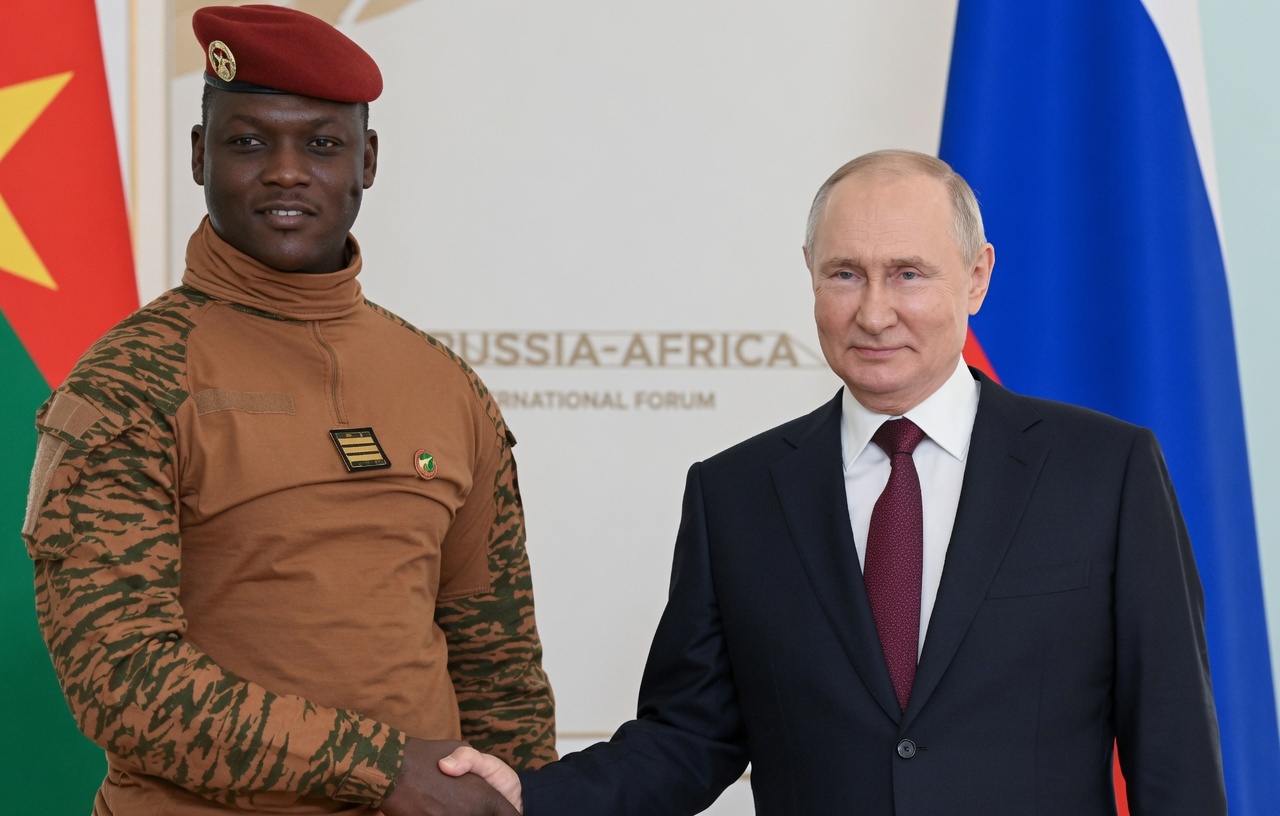
Ouagadougou’s pivot toward Moscow has been framed as a strategic breakthrough for Burkina Faso, positioning Russia as a reliable partner in the country’s quest for autonomy and security. Official narratives emphasize a partnership built on mutual respect, the absence of political conditions, and a so-called ‘win-win’ dynamic. Yet beneath the diplomatic rhetoric, deeper complexities emerge—raising questions about the true sustainability and cost of this realignment.
Sovereignty redefined or exchanged?
At the heart of Burkina Faso’s engagement with Russia is the assertion of regained sovereignty. By diversifying alliances after severing ties with Western partners, the transitional authorities argue they have reclaimed control over their foreign policy decisions. However, replacing one dependency with another does not inherently translate into true sovereignty. A balanced partnership demands not only the freedom to choose partners but also the capacity to maintain decision-making autonomy, particularly in critical sectors such as security and natural resource management.
Security cooperation: progress or illusion?
Military collaboration with Russia has intensified, yet the country continues to grapple with relentless violence. Deadly attacks persist across several regions, civilian casualties remain high, and mass displacements strain local communities. While Ouagadougou points to enhanced cooperation as a stabilizing force, the absence of a measurable shift in the security landscape suggests that Moscow’s involvement has not fundamentally altered the trajectory of the conflict. The continued vulnerability of Burkinabè populations underscores a sobering reality: geopolitical partnerships, no matter how robust, cannot substitute for comprehensive domestic strategies.
Economic promises vs. tangible outcomes
The promise of new investment and economic opportunities has been a recurring theme in discussions about the Burkina Faso-Russia relationship. Yet, beyond the rhetoric, concrete benefits for the local economy remain elusive. Key economic indicators remain under strain, local businesses face disruptions from insecurity, and supply chains struggle to recover. The true test of any international partnership lies not in declarations but in measurable, long-term benefits for citizens. So far, the evidence suggests that economic relief has not materialized at the pace or scale anticipated.
A questionable exchange of resources
Recent discussions around a potential agreement—where Burkina Faso could trade a portion of its gold reserves in exchange for Russian wheat supplies—have sparked debate. While framed as a pragmatic solution to food insecurity, the arrangement raises concerns about long-term economic autonomy. If the nation’s most valuable natural resource is leveraged to secure basic food supplies, does this not signal a troubling erosion of self-sufficiency? A sovereign state should ideally possess the means to feed its people without resorting to the monetization of its wealth. This approach, though presented as innovative, risks entrenching economic dependence rather than fostering resilience.
Education and human capital: a limited but valuable dimension
One area where the Burkina Faso-Russia partnership shows promise is in education. A select number of Burkinabè students have gained access to Russian academic institutions, offering an opportunity to develop high-level skills. While these programs are commendable, their reach is constrained. They cannot, on their own, address the structural challenges plaguing Burkina Faso’s education system or the persistent youth unemployment crisis. Educational cooperation, though beneficial, remains a drop in the ocean compared to the broader developmental needs of the country.
The myth of unconditional partnership
Official statements often portray Russia as a partner driven solely by solidarity and mutual benefit. Yet geopolitics operates on the principle of reciprocity. Every alliance, regardless of its framing, serves strategic and economic interests. For Russia, strengthening ties with Burkina Faso aligns with broader objectives: expanding influence in Africa, countering Western dominance, and securing access to critical resources. The notion of a purely altruistic partnership is a narrative convenience rather than a reflection of geopolitical realities.
Risks of over-reliance on a single ally
Concentrating diplomatic and economic partnerships around a single external actor carries significant risks. A narrow alliance structure can limit Burkina Faso’s diplomatic flexibility, deter investment from diverse sources, and complicate relations with other international stakeholders. In an era of shifting global power dynamics, true strategic autonomy demands engagement with multiple partners—not the substitution of one bloc for another. A partnership that fails to diversify risks becoming a new form of constraint rather than a pathway to empowerment.
The ultimate measure: impact on citizens
Ultimately, the success of any international partnership must be judged by its impact on the daily lives of citizens. Sovereignty is not merely a matter of rhetoric or diplomatic symbolism; it is measured in improved security, accessible public services, sustainable economic growth, and expanded opportunities for youth. On these fronts, the Burkina Faso-Russia relationship has yet to demonstrate transformative results. While the partnership may open new diplomatic avenues, its ability to address Burkina Faso’s most pressing challenges remains unproven. For Ouagadougou’s strategy to be validated, it must deliver tangible, lasting benefits that resonate with the needs of its people—not just shift the origin of its dependencies.
