Burkina Faso’s humanitarian reliance overshadows junta’s sovereignty claims
From promises of self-sufficiency to reliance on foreign aid
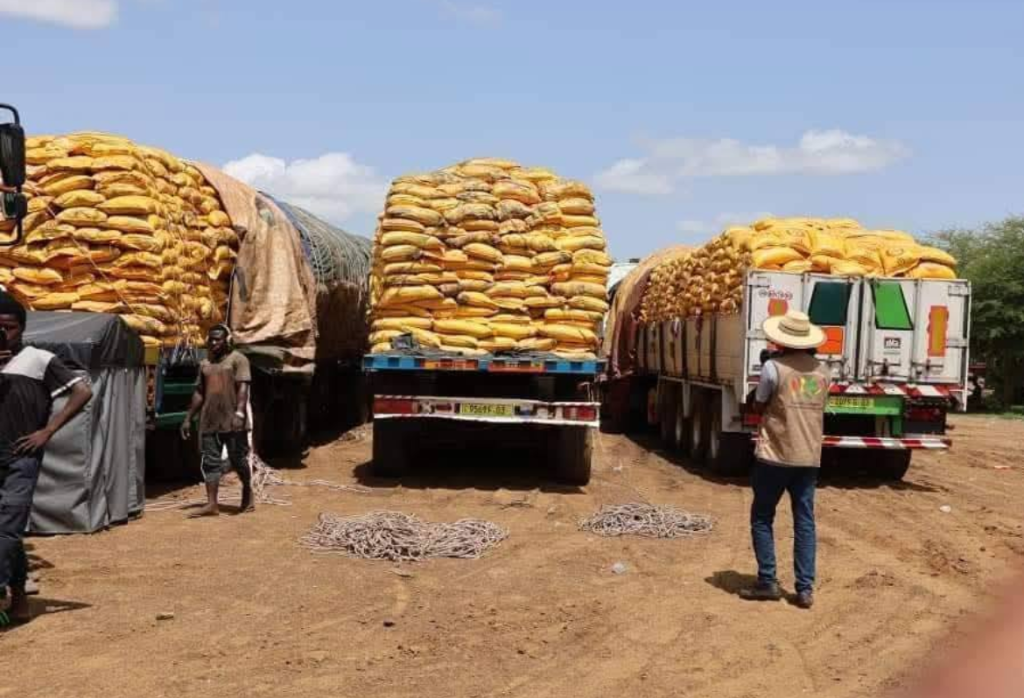
Captain Ibrahim Traoré’s transitional government in Burkina Faso continues to emphasize national independence, yet the nation remains heavily dependent on external rice donations from Pakistan, China, and Canada to address a worsening food crisis that military strategies have failed to resolve.
At the recent handover ceremony for 2,422 tons of Pakistani rice, officials presented a facade of progress. However, this aid underscores a stark reality: over three years since the MPSR took power, Burkina Faso’s food security remains fragile, with more than 3.5 million citizens now relying on international charity for survival.
The gap between rhetoric and food security reality
This latest shipment from Pakistan is just one in a growing series of aid packages, with China and Canada also contributing. While the junta celebrates these partnerships, each donation serves as a reminder of its inability to fulfill its pledge to make local agriculture the cornerstone of its governance.
The situation is dire:
- The nation’s agricultural output is insufficient to meet domestic demand, forcing it into a cycle of dependence on external aid.
- The donated rice is primarily directed to northern and eastern regions, areas still plagued by insecurity and cut off from regular trade routes.
Insecurity and failed policies deepen the crisis
The government attributes food shortages to climate change, but observers increasingly highlight the junta’s role in exacerbating structural weaknesses. The military’s heavy-handed approach, including blockades in conflict zones, has crippled farming activities. Over 2 million internally displaced persons now roam the country, turning once-fertile farmlands into wastelands. According to the Integrated Food Security Phase Classification (IPC), certain areas are on the brink of IPC Phase 4 (emergency), with over 600,000 children facing acute malnutrition by year’s end.
Transparency concerns and donor skepticism
Questions also arise over aid management. The Pakistani rice donation is administered by the Ministry of Humanitarian Action, yet international partners express concerns over distribution transparency. The militarization of crisis response and strained relations with humanitarian organizations have undermined aid efficiency—evidenced by the 2026 Humanitarian Response Plan being only 18% funded, reflecting growing donor distrust in Ouagadougou’s leadership.
As the rainy season approaches, the Pakistani rice offers only temporary relief to a beleaguered population. For Ibrahim Traoré, the reckoning is near: sovereignty cannot be declared on national television—it must be built in fields that his administration has yet to secure. A lasting solution remains elusive as long as military communication takes precedence over revitalizing a devastated rural economy.
