Burkina Faso’s economic claims under Ibrahim Traoré scrutinized
The ascension of Captain Ibrahim Traoré to power has positioned him at the forefront of African sovereignist discourse. Through aggressive communication strategies and a pronounced presence on digital platforms, Burkinabè authorities seek to propagate the narrative of an imminent economic resurgence, both domestically and abroad.
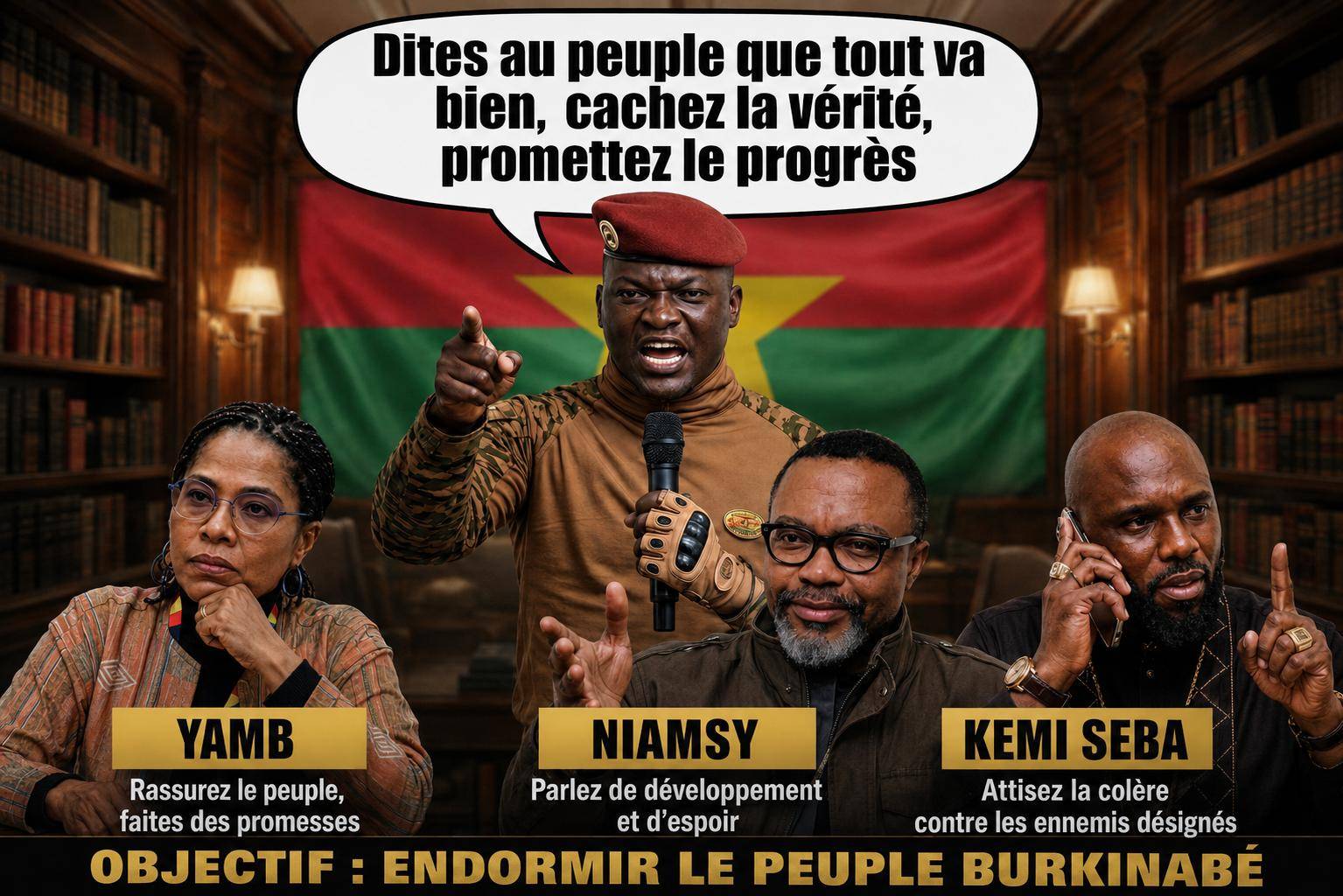
This discourse is amplified by a network of influencers and panafricanist activists—such as Nathalie Yamb, Franklin Nyamsi, and Kemi Seba—who frequently champion the Faso as a beacon of alternative development, unshackled from historical colonial dependencies. Their social media campaigns consistently portray Burkina Faso as a pioneer in forging a new economic paradigm.
Yet skepticism persists among economists, analysts, and independent voices who caution against accepting official claims at face value. They argue that many of the proclaimed achievements are more reflective of strategic political messaging than substantive, verifiable economic progress.
Proponents of the government’s approach cite accelerated industrialization, revitalized domestic production, expanded processing facilities, regained economic sovereignty, and remarkable growth rates as evidence of success. Critics, however, counter that several initiatives touted as breakthroughs were merely inherited projects, while others remain unfulfilled promises with little to no documented progress.
The debate further intensifies over the government’s prioritization of symbolic victories over addressing pressing national challenges. Despite persistent security, humanitarian, and social crises, the narrative of economic triumph continues to dominate public discourse, raising questions about its credibility.
A contentious issue lies in the financing of these national ambitions. The authorities have introduced measures such as a 1% income levy on certain workers and other contributions under the banner of patriotic mobilization. While supporters view these steps as acts of collective solidarity in extraordinary circumstances, critics—including trade unions, civil society groups, and independent observers—demand greater transparency regarding fund allocation and utilization.
These stakeholders insist on the necessity of regular, detailed financial reporting and independent audits to ensure accountability and restore public trust. They argue that citizens deserve clear insights into the scale of mobilized resources, their designated purposes, and tangible outcomes achieved.
Further controversy surrounds allegations of inflated or misleading statistics. Notably, claims circulated online that Burkina Faso had voluntarily forfeited over a billion dollars in foreign aid in the name of sovereignty have been disputed. Critics contend that such assertions distort reality, as international partnerships and financial support—including substantial programs from Japan—remain active and integral to the Faso’s development.
For detractors, these inconsistencies underscore broader concerns about the regime’s communication strategy, which portrays Burkina Faso as an emerging economic model despite lingering structural and social challenges.
This examination seeks to dissect the construction of the so-called ‘economic miracle,’ evaluate the role of digital advocacy networks in shaping perceptions, and assess the alignment between projected narratives and ground realities.
Beyond Burkina Faso’s borders, this discourse prompts a broader reflection: where does the line between political communication, ideological mobilization, and objective policy evaluation truly lie?
