Burkina Faso’s 2025 healthcare transformation: major strides for a healthier nation
The year 2025 stands out as a pivotal period for Burkina Faso’s healthcare system. Despite persistent national challenges, including significant security and economic hurdles, the health sector experienced remarkable progress. This advancement was evident across various fronts, encompassing enhanced medical infrastructure, the introduction of specialized treatments, and improved financial accessibility to vital health services.
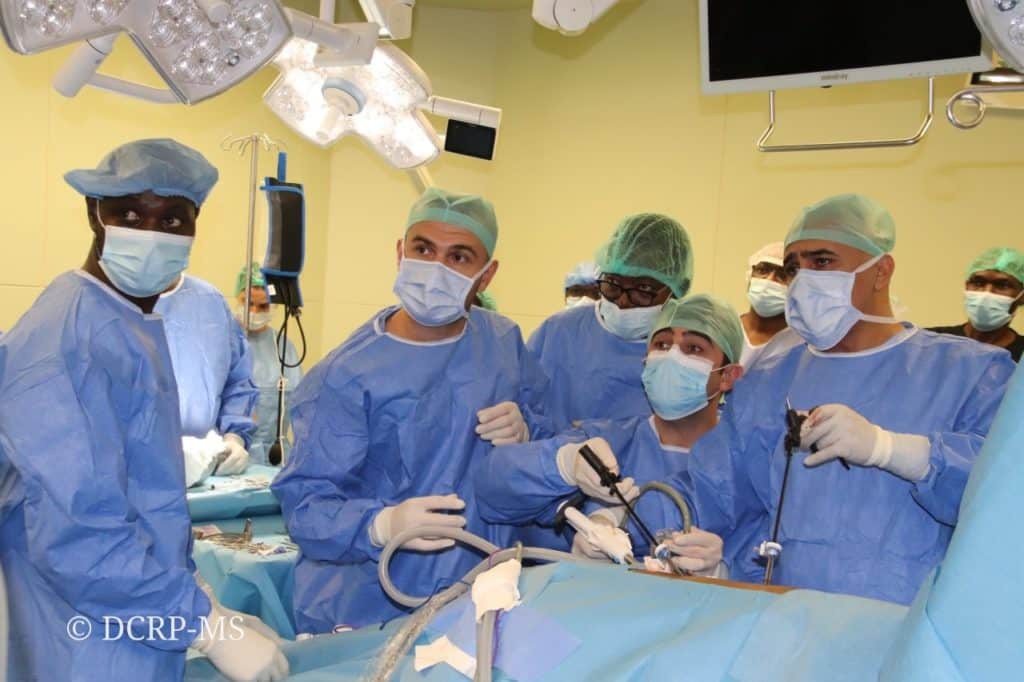
A landmark achievement in 2025 saw Burkina Faso successfully perform its inaugural kidney transplant within the nation’s borders. This medical breakthrough, a collaborative effort between dedicated Burkinabè and Turkish teams at the University Hospital Center (CHU) of Tengandogo, represents a historic stride in managing renal insufficiency. This significant development is expected to substantially lessen the country’s reliance on costly overseas medical evacuations, which were previously essential for such complex conditions.
Continuing this wave of medical excellence, another remarkable surgical feat occurred in Kaya, within the Kuilsé region. A specialized medical team, led by neurosurgeon Dr Lassané Taoko and supported by anesthesiologist-resuscitator Dr Fabrice Lompo, successfully executed a complex procedure on a patient suffering from a brain tumor. This operation underscores the growing capability and sophistication of specialized surgical practices across the nation.
Regarding infrastructure development, 2025 also saw the official opening of the University Hospital Center (CHU) of Pala. Equipped with cutting-edge technology, this modern facility substantially enhances the availability of specialized care within its service area. Complementing this expansion, the hemodialysis center in Gaoua commenced operations, directly addressing the increasing demand for renal disease treatment among patients in the Djôrô region.
Furthermore, significant strides were made in improving the financial accessibility of healthcare. Health authorities implemented reductions in the costs of several key medical examinations at public hospitals. For instance, the price of a CT scan was halved from 50,000 FCFA to 25,000 FCFA, while the average cost of an MRI decreased by 60%, from 100,000 FCFA to 40,000 FCFA. Additionally, the 500,000 FCFA deposit for hemodialysis treatments was abolished. These socially conscious initiatives aim to ease the financial burden on patients and encourage earlier diagnosis of serious conditions.
Efforts in public health and preventative care also continued to advance. The national seasonal malaria chemoprevention campaign successfully reached nearly all targeted children aged 3 to 59 months, significantly contributing to a reduction in severe cases and fatalities from this endemic disease. Concurrently, the battle against maternal and neonatal mortality was intensified through the introduction of new monitoring and management systems for preventable deaths.
The year 2025 was further marked by the implementation of significant structural reforms. These included a stronger emphasis on primary healthcare, the gradual digitalization of community health services, and an invigorated focus on prevention policies, exemplified by stricter anti-tobacco regulations.
In summary, 2025 represented a year of tangible actions and remarkable progress for Burkina Faso’s healthcare system. While challenges undoubtedly persist, these achievements clearly demonstrate a firm commitment to establishing a more robust, accessible, and population-centric health system.
