
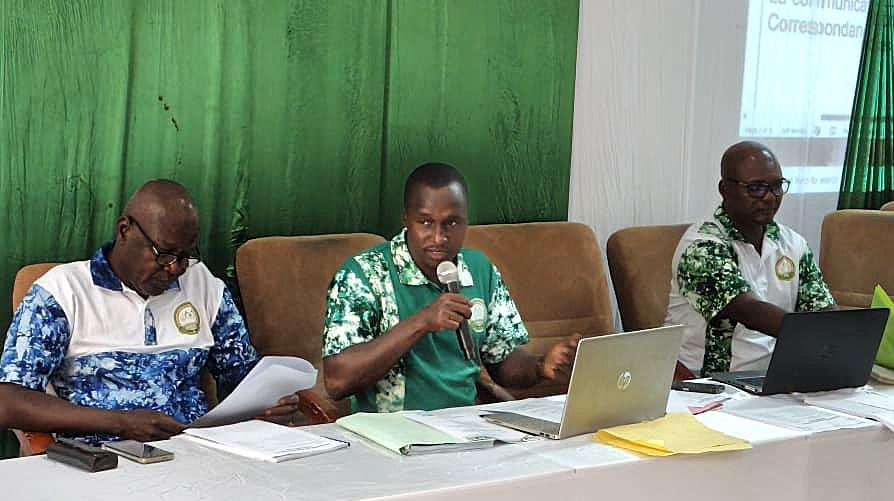
During their sixth general assembly held in Ouagadougou on Saturday, June 6, 2026, members of the Union of Public Pharmacy Depot Managers and Cashiers of Burkina Faso once again drew attention to their working conditions. Their primary demand remains the establishment of an official professional status for a role they consider vital to the nation’s healthcare system.
The event, themed “Resilience of Volunteers Serving the Nation,” provided a platform for these workers to voice growing concerns about their increasingly precarious situation.

Decades of service without recognition
Ousmane Bolly, president of the Union, highlighted the plight of workers who have dedicated decades to their roles yet receive minimal compensation. “Many here have served for 20 or 30 years, but some earn less than the legal minimum wage,” he stated, emphasizing the injustice of their situation.
The Union represents over 3,000 depot managers across all health districts in the country, underscoring the widespread nature of their concerns.
The core issue: a missing professional framework
At the heart of their struggle is the absence of a regulatory framework governing the roles of pharmacy depot managers and cashiers. This legal void leaves workers vulnerable to arbitrary dismissals, particularly when they advocate for better conditions. Some members reportedly fear public association with the Union due to potential professional repercussions.
Inadequate compensation fuels discontent
Participants condemned the meager salaries, often ranging between 20,000 and 25,000 FCFA per month, which they argue fail to cover the rising cost of living. Despite their critical role in distributing medications and assisting patients in overburdened health facilities, these workers feel undervalued and financially strained.
Years of advocacy without progress
Since 2020, the Union has pursued multiple avenues to address these issues, including:
- Meetings with health and public service ministries;
- Direct appeals to the Presidential office;
- Active participation in policy discussions on pharmaceutical management.
Despite these efforts, tangible improvements remain elusive. The Union has completed a comprehensive census of its members and submitted the data to authorities to facilitate the creation of a regulatory framework. However, they stress that the revenue generated by pharmacy depots alone cannot sustain lasting improvements without state intervention.
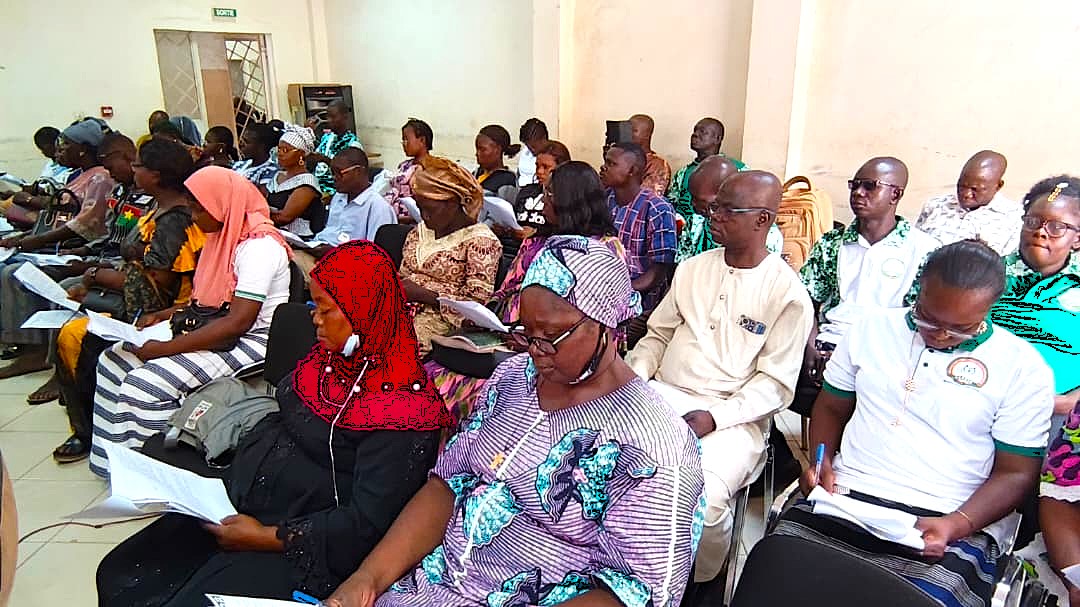
In closing the assembly, Ousmane Bolly commended the collective mobilization while urging authorities to act swiftly on their demands.