Burkina Faso faces unprecedented dengue outbreak
Burkina Faso grapples with unprecedented dengue fever outbreak
The dengue fever epidemic, transmitted by mosquitoes, has claimed 214 lives in Burkina Faso since January, primarily in the capital Ouagadougou and the country’s second-largest city, Bobo-Dioulasso. This alarming situation was confirmed by the Burkinabè government.
The tiger mosquito (Aedes albopictus), an invasive species notorious for its black and white stripes, has become particularly problematic in Burkina Faso. These mosquitoes are transmitting dangerous viruses, including dengue fever and chikungunya, which are currently spreading rapidly across the country.
According to official government data, 50,478 suspected dengue cases were reported between January and October 15, 2023. These included 25,502 probable cases and tragically resulted in 214 deaths. The situation intensified dramatically in mid-October, with 10,117 new suspected cases reported during the week of October 9-15 alone, including 4,377 probable cases and 48 additional fatalities.
The Minister of Health, Robert Lucien Jean-Claude Kargougou, has also warned about the spread of chikungunya, another mosquito-borne viral infection. Since September, more than 200 cases have been documented, with active transmission still occurring in both major cities.
Government’s emergency response measures
The proliferation of tiger mosquitoes in Burkina Faso is closely linked to climate conditions. Rising temperatures combined with intense rainfall patterns have created ideal breeding conditions for these insects and the viruses they carry.
In response to this public health crisis, the government has implemented several critical measures:
- Introduced free rapid diagnostic tests at all public health facilities
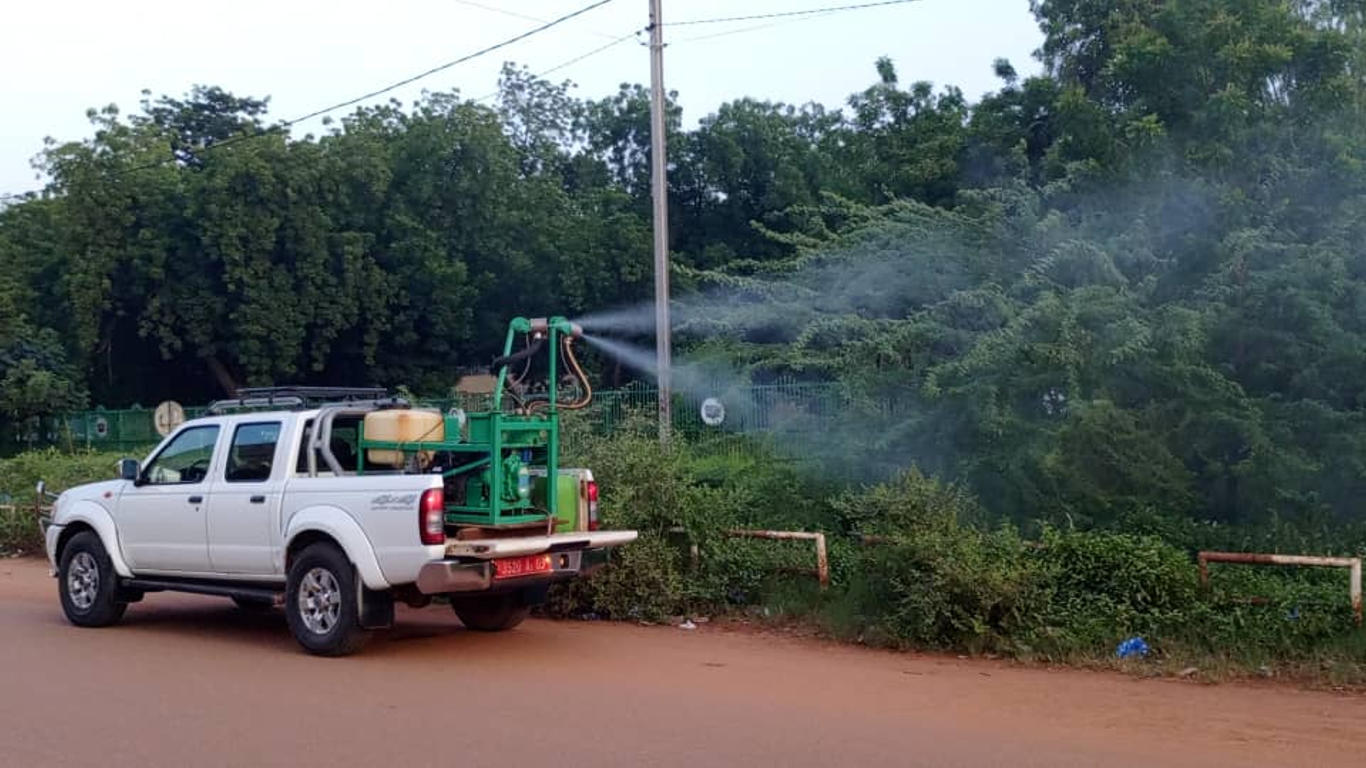
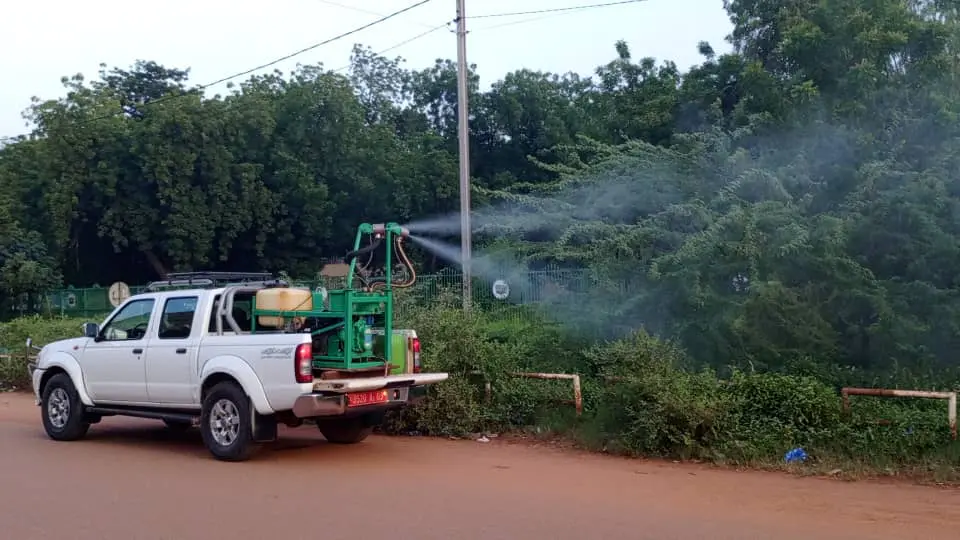
- Launched an extensive mosquito control spraying campaign in Ouagadougou and Bobo-Dioulasso
- Intensified public awareness campaigns about preventive measures
Understanding dengue fever
Dengue fever has been present in Burkina Faso since the 1960s, with the first confirmed major outbreak occurring in 2017, resulting in 13 deaths. Transmitted through the bite of an infected mosquito, dengue shares symptoms with malaria, including:
- High fever
- Severe headaches
- Nausea and vomiting
- Muscle and joint pain
- In severe cases, potentially fatal hemorrhages
The World Health Organization estimates that 100 to 400 million dengue infections occur globally each year, primarily affecting tropical and subtropical regions. Urban and semi-urban areas are particularly vulnerable to outbreaks.
