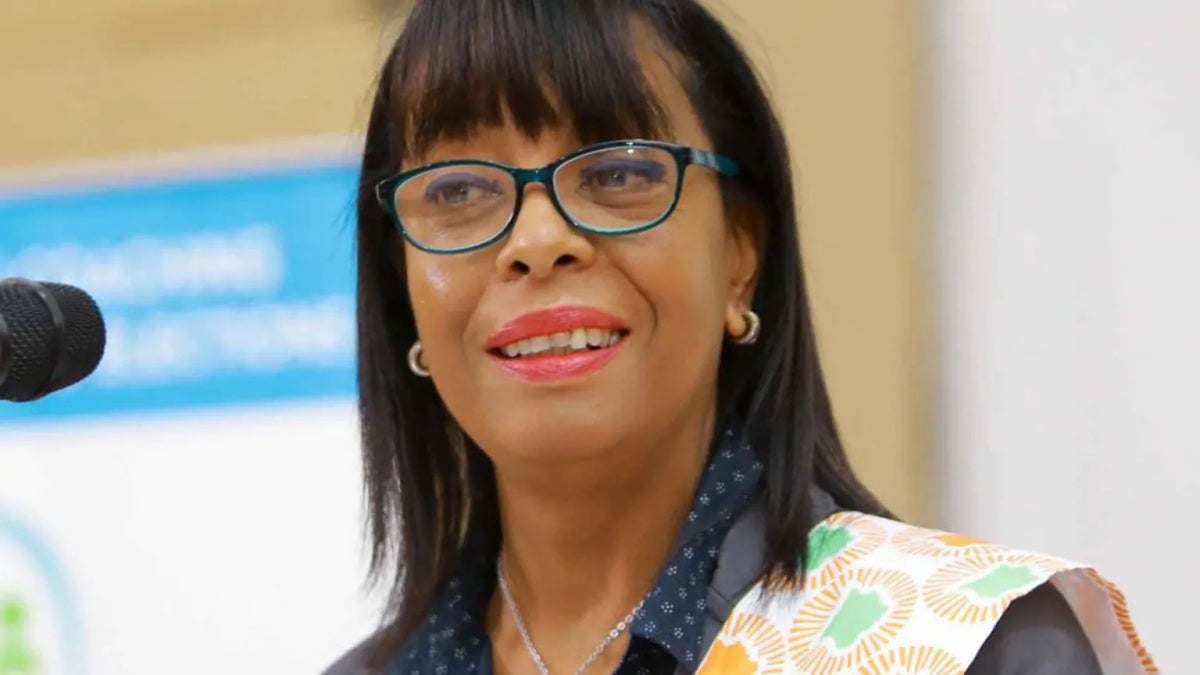
Burkina Faso expels top un official after child rights report
Earlier this week, the military leadership in Burkina Faso ordered the departure of Carol Flore-Smereczniak, the primary United Nations representative in the nation. She was designated as persona non grata following the release of a critical UN investigation into child rights violations within the country.
This expulsion represents the second time the junta has removed a high-ranking United Nations official, following the 2022 dismissal of Barbara Manzi. These actions underscore a growing resistance by the military government toward independent international monitoring.
Dispute over child rights documentation
A spokesperson for the junta suggested that Carol Flore-Smereczniak was involved in drafting an April report that analyzed how the armed conflict in Burkina Faso is affecting minors. The government has dismissed the report’s findings, which implicate national authorities, state-aligned militias, and anti-government Islamist groups in various abuses.
The investigation identified 2,483 major violations impacting 2,255 children between July 2022 and June 2024. These incidents included killings, kidnappings, and the recruitment of children into armed factions. According to the data, Islamist armed groups were responsible for 65 percent of these atrocities, while the remaining violations were attributed to the security forces of Burkina Faso and the Volunteers for the Defense of the Homeland (VDP), who act as civilian auxiliaries to the military.
Attacks on education and illegal detentions
The report also highlighted a disturbing rise in assaults on educational institutions and raised serious concerns regarding the “detention of children due to their alleged association with armed groups.” Since 2016, Human Rights Watch has frequently documented violence against students and teachers, as well as the destruction of schools by all parties involved in the conflict.
Strained relations with the United Nations
In recent months, the junta has repeatedly challenged the United Nations’ presence. In March, the Foreign Minister denounced the use of terms like “non-state armed groups” to describe terrorists and objected to the VDP being labeled as “militias.” By July, the administration demanded that UN interventions be realigned to match the specific “vision” of the country’s current leadership.
Since the 2022 coup d’état, the military authorities in Burkina Faso have intensified their crackdown on independent media, political rivals, and dissenting voices. Rather than attempting to suppress these reports, observers suggest the junta should cooperate with the United Nations to establish a concrete framework for ending these human rights violations.
