
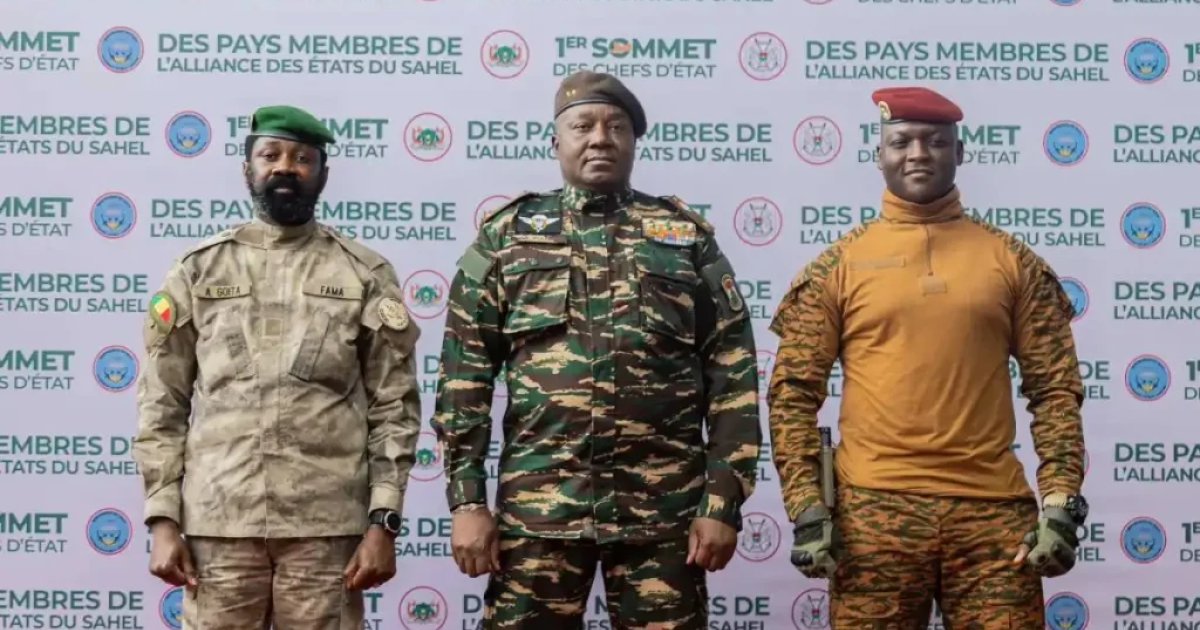
Burkina Faso joins Mali and Niger in united front against France
The Government of Burkina Faso officially severed diplomatic ties with France on June 26, 2026, in a move described by Ouagadougou as a sovereign act of reclaiming national independence. This decisive break confirms the deepening rift between the two nations and aligns Burkina Faso with its Sahel neighbors—Mali and Niger—within the Alliance of Sahel States (AES).
Why Burkina Faso ended relations with Paris
The announcement, delivered through a televised statement by government spokesperson Pingdwendé Gilbert Ouédraogo, cited repeated interference by France in Burkina Faso’s internal affairs. Authorities accused Paris of pursuing neocolonial ambitions, supporting opposition networks, and undermining national security—charges that French officials have denied, calling the decision “unfounded and hostile.”
Tensions had been escalating since the 2022 military takeover led by Captain Ibrahim Traoré. Burkina Faso had already taken bold steps to distance itself from France, including the 2023 withdrawal request of French special forces under Operation Sabre. Media outlets such as RFI, France 24, and TV5 Monde were subsequently banned, and multiple French diplomats were expelled—each move framed as defending national sovereignty.
AES unites against French influence in the Sahel
With this rupture, Burkina Faso formally joins Mali and Niger in rejecting France’s historical dominance in the region. The three AES member states now share a unified stance: prioritizing national autonomy, rejecting foreign interference, and forging new alliances beyond Western partnerships.
This strategic alignment reflects a broader regional shift. Following their withdrawal from ECOWAS, the AES countries have strengthened cooperation and diversified partnerships—turning toward partners like Russia, Turkey, and Iran to reduce reliance on traditional Western powers. For Ouagadougou, severing ties with Paris is not just political—it’s a declaration of intent to reshape its foreign policy and regain control over security and diplomatic decisions.
Meanwhile, France has stated it will consider reciprocal measures and has urged its citizens in Burkina Faso to exercise heightened caution. The move underscores a pivotal moment in Sahel-Western relations, signaling the dawn of a new era where the AES intends to speak with one voice against external influence.

What’s next for Burkina Faso and France?
The diplomatic split introduces uncertainty over consular services, security cooperation, and economic ties. It also sets the stage for a period of realignment in the Sahel, where the AES is positioning itself as a sovereign bloc rejecting external control.
For France, this represents another setback in a region where it once held significant influence. For the AES, it’s a step toward self-determination—one that may redefine geopolitical dynamics across West Africa.