
Brazil dominates Haiti 3-0 with stylish display
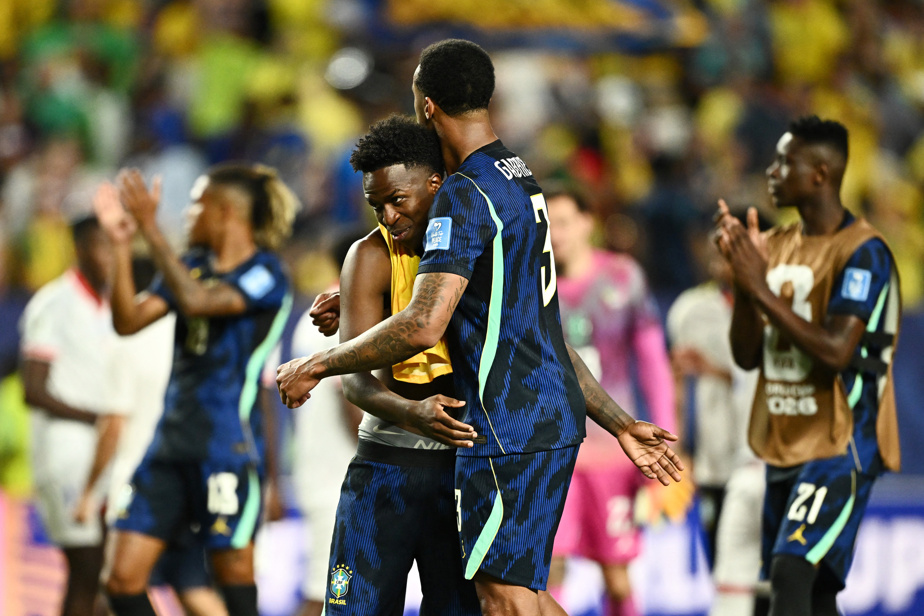
The Brazilian football team delivered a masterclass in attacking flair as they dismantled Haiti 3-0 in their World Cup opener, showcasing the joga bonito (beautiful game) that has defined their reputation for decades. Under the guidance of Italian manager Carlo Ancelotti, the Seleção proved why expectations run higher than mere victories—they demand artistry on the pitch.
Ancelotti’s tactical shift sparks early fireworks
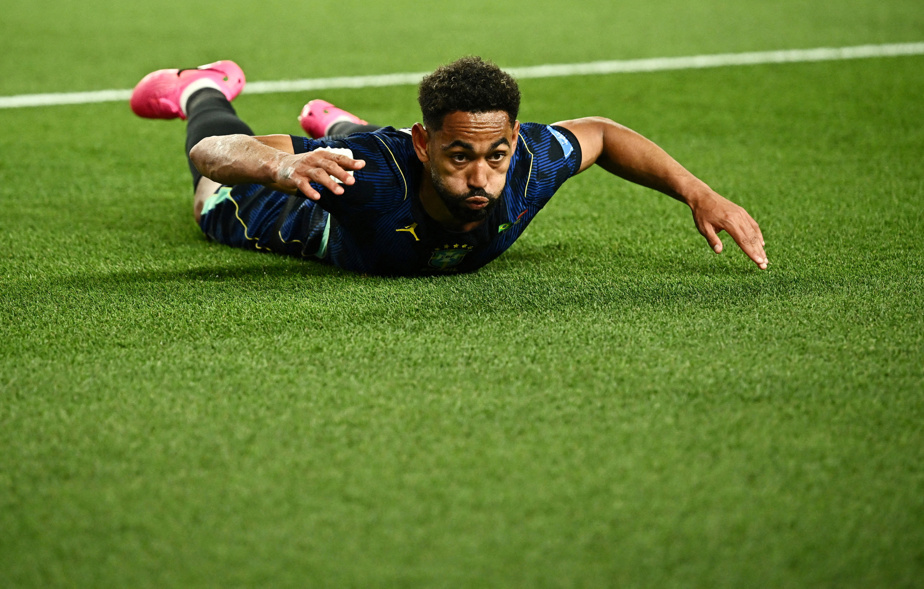
Ancelotti made a bold decision in Philadephia, benching seasoned striker Igor Thiago in favor of Chelsea’s Matheus Cunha. The gamble paid off within minutes. Just before the first commercial break, Cunha pounced on a rebound from Vinícius Júnior’s shot to open the scoring, threading the needle with precision.
The floodgates opened shortly after. Cunha doubled Brazil’s lead with a thunderous left-footed strike into the top corner, assisted once again by Vinícius Júnior. The Manchester United forward then completed a first-half hat-trick, capitalizing on Haiti’s overcommitted defensive line with a lobbed pass from Lucas Paquetá, who looked revitalized after a sluggish display against Morocco.
The Seleção’s dominance was reflected in the stands, where fans drummed in approval, anticipating a rout reminiscent of Canada’s 4-0 demolition of Qatar the previous day. Haiti, reduced to ten men by a fourth-minute yellow card, adjusted their formation under coach Sébastien Migné, switching to a back four and compressing their midfield to stem the tide.
Haiti fights back but Brazil’s depth shines
Far from parking the bus, the Haitian side responded with renewed purpose in the second half, probing Brazil’s defense with direct, if somewhat naive, attacks. They nearly capitalized on a Martin Expérience-Pierre Pierrot combination, creating their first corner of the match, and later forced a fine save from Alisson Becker.
Brazil’s second string, however, struggled to maintain the same tempo. Raphinha’s early injury—sidelined just before halftime—left a gaping hole on the right flank. The Barcelona winger has been instrumental this season with 34 goals and 22 assists for his club, making his absence a bitter pill to swallow. Neymar, still nursing long-term injuries, remained in Rio de Janeiro, leaving Ancelotti with a delicate balancing act: risking a backlash by omitting the 34-year-old legend or fielding a player not at full fitness.
The Seleção paid the price for their profligacy. Despite Haiti’s defensive errors and communication breakdowns with goalkeeper Johny Placide, Brazil failed to extend their lead beyond three goals. A missed opportunity that may haunt them before facing Scotland in their final group-stage fixture.
Haiti bows out with dignity
Defeat against Brazil marked Haiti’s premature exit from the tournament, though their performance against Scotland on Canada Day offered a glimmer of pride. The Grenadiers pushed hard against a Scottish side that had stunned the footballing world by reaching the 2022 World Cup semifinals, ultimately falling 1-0 in a tightly contested match.
Haïti’s historical World Cup record isn’t one to boast about—they lost all three matches in 1974, including a 7-0 thrashing by Poland. Emmanuel Sanon’s two goals remain their only tally in the competition. Will Wednesday’s clash against Morocco produce another historic moment for the Caribbean nation?
The Brazilians, five-time world champions and losers to Croatia in the 2022 quarterfinals, have gone 22 years without lifting the trophy since the glittering Ronaldo-Rivaldo-Ronaldinho era of 2002. Their fans, accustomed to greatness, will demand nothing short of flair and victory when they take on Scotland. The question lingers: Can this Brazil side, led by an Italian manager, finally end their World Cup drought in style?
