Bordeaux’s bold move on african art restitution to Gabon
An unprecedented chapter in Africa’s cultural restitution unfolded in Bordeaux this month. On June 1, 2026, municipal authorities formally declined a bequest of 53 African artworks previously held in the Musée d’Aquitaine’s reserves. Though the decision may appear contradictory, it serves a critical legal purpose. Under French law, public collections are bound by inaliénabilité, a principle that normally prevents the removal of state-held cultural assets. By rejecting the donation before its formal integration, Bordeaux sidestepped this barrier and preserved the option of a direct transfer to their countries of origin. Gabon stands to reclaim 33 of these pieces, potentially reuniting them with Libreville’s national collections.
The legal pathway behind the restitution
Bordeaux’s move reveals how local governments are devising innovative legal strategies to answer African restitution claims. Since the 2018 Sarr-Savoy report urged the return of colonial-era artifacts, the debate has gained traction, yet no sweeping national legislation has been enacted. Every restitution dossier now demands a bespoke legal framework or parliamentary exemption. By declining the donation at the threshold of public ownership, the city created a legal opening that avoids the usual legislative bottleneck, allowing a streamlined transfer once terms are finalized with Libreville.
This maneuver is far from routine. It underscores a left-leaning municipality’s resolve to confront a difficult colonial legacy. Bordeaux’s 18th-century prosperity was deeply entwined with the Atlantic slave trade, and in recent years the city has taken visible steps to reckon with this past. The June decision moves beyond symbolic gestures, placing restitution on a concrete legal footing.
Libreville’s cultural stakes
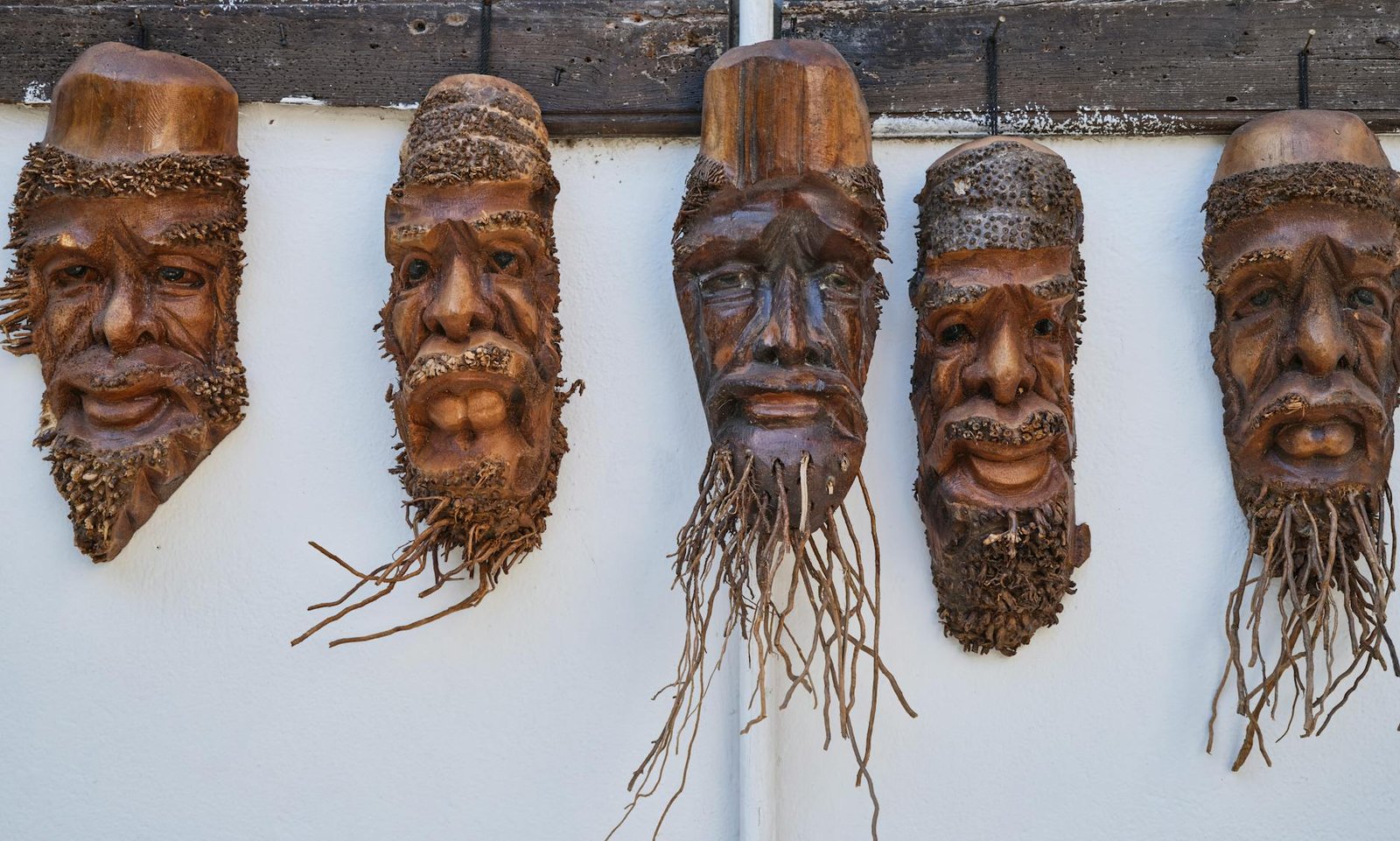
For Gabon, the return of 33 pieces from Bordeaux carries weight beyond mere symbolism. These works—masks, reliquaries, and statues—belong to the fang, punu, kota, and tsogho cultures, whose artifacts command high prices on the global art market. Kota reliquary figures, for instance, routinely fetch several hundred thousand euros at auction, underscoring both their cultural value and economic significance. Their repatriation would bolster Libreville’s efforts to revitalize national heritage and celebrate Gabon’s diverse ethnic identities.
Since the political transition of August 2023, Gabon’s new leadership has elevated cultural sovereignty to a central pillar of national discourse. Recovering looted artifacts aligns with this narrative. However, the practical timeline remains uncertain. Bordeaux’s refusal opened a procedural door, but the transfer still hinges on formal agreements between French and Gabonese authorities. Libreville must also demonstrate readiness to house, conserve, and exhibit the pieces according to international museum standards.
A possible template for France
Bordeaux’s initiative could serve as a model for other French cities holding contested colonial collections. Marseille, Lyon, Nantes, and La Rochelle each possess artifacts whose origins trace back to the colonial period. The Girondin approach offers a faster route: it works only if the contested objects have not yet been fully integrated into public ownership. For African claimant nations, this method promises greater speed than waiting for a dedicated restitution law to pass through the French Parliament.
The implications extend beyond the Gabon dossier. Senegal, Benin, Côte d’Ivoire, and Cameroon are closely watching Bordeaux’s legal path. France’s earlier restitution to Benin in 2021—26 royal treasures from Abomey—required a specific parliamentary law. The Bordeaux method, though quieter, may ultimately prove more efficient for handling the thousands of African objects still scattered across French museums. The transfer of 33 Gabonese works could mark a turning point in the evolving diplomacy of cultural heritage between France, French local governments, and African states.
