Benin’s road revolution under patrice talon’s decade-long leadership
When discussing Patrice Talon’s legacy, one achievement towers above the rest: roads. Over the past decade, this visionary leader has reshaped Benin’s landscape from coast to countryside. Dust-choked paths have been transformed into smooth asphalt arteries, while pothole-ridden thoroughfares now serve as modern highways. From the bustling streets of Cotonou to the most remote villages, Talon’s infrastructure revolution has placed development firmly within reach of every Beninese citizen. As his presidency nears its conclusion, his groundbreaking road network stands as the most visible testament to his transformative leadership.
Upon assuming office in 2016, Patrice Talon inherited a nation where crumbling infrastructure stifled progress. He recognized a fundamental truth: economic vitality depends on reliable transportation networks. Without smooth roads, commerce stagnates, healthcare remains inaccessible, and education becomes a distant dream. His solution? A nationwide road construction overhaul that would connect communities, unlock economic potential, and redefine Benin’s future. A decade later, the results speak for themselves.
More than 2,000 kilometers of asphalt: a decade of progress
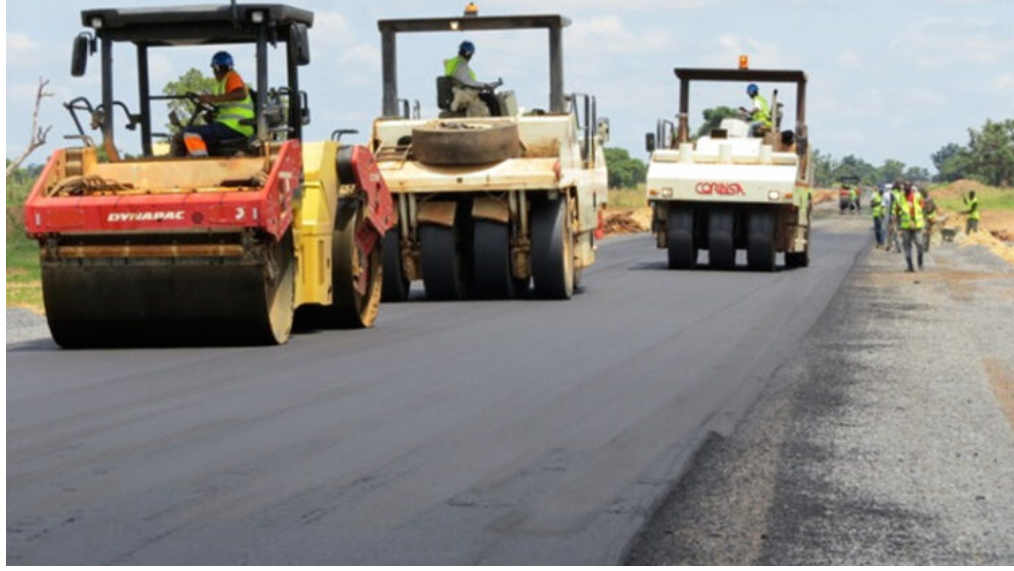
Official records confirm what every Beninese citizen can now see: over 2,000 kilometers of roads have been paved, with an additional 1,100 kilometers currently under construction. These aren’t just numbers—they represent real change for thousands of families. No longer do villagers face dust storms that coat homes and lungs. No longer do farmers risk vehicle damage transporting produce to markets. No longer do schoolchildren endure perilous journeys to reach their classrooms. Remote communities are no longer isolated islands but connected hubs of activity. The transformation is nothing short of revolutionary.
Urban renewal through asphalt
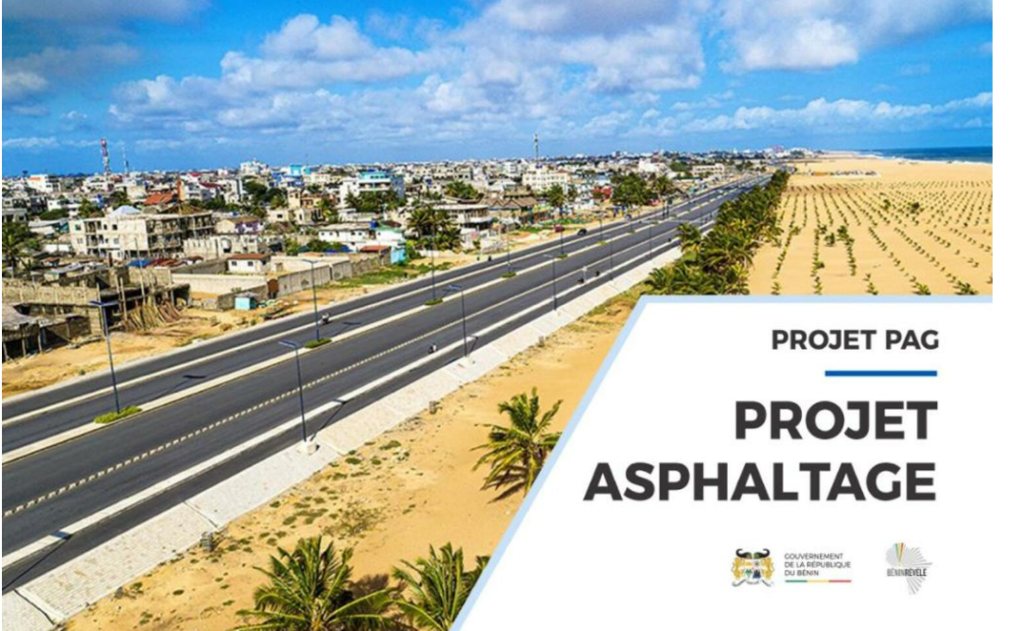
The Asphaltage initiative became the heartbeat of this transformation. From Cotonou’s economic arteries to Porto-Novo’s political boulevards, from Parakou’s northern gateway to the historic streets of Ouidah, every major city has undergone a metamorphosis. Abandoned neighborhoods have been reborn. Pothole-strewn alleys now gleam under streetlights. Markets thrive along newly paved roads. The contrast is striking: what was once a struggle to navigate urban landscapes is now a seamless experience. Commuters glide to work without jolting over craters. Emergency services respond with unprecedented speed. Families enjoy cleaner air and safer streets. The pride of ownership is palpable—Beninese citizens no longer just tolerate their cities; they revel in them.
Highways that bridge nations
Patrice Talon’s vision extended far beyond urban borders. The Cotonou-Niamey highway, a critical trade artery linking Benin to Niger, has been completely rehabilitated, enabling smooth, round-the-clock freight movement. The renowned Route des Pêches has undergone major upgrades, complete with modern bridges and widened lanes that slash travel times. What once took hours now requires minutes. Benin has emerged as a vital crossroads for neighboring nations, fostering regional integration and economic synergy.
A legacy that resonates beyond infrastructure
The true measure of Talon’s road revolution lies not in asphalt or statistics, but in the hearts and minds of the people. Gone are the days of resigned complaints about poor roads. Today, Beninese citizens ask eagerly, ‘Which town will be paved next?’ This shift in mindset is transformative. Families proudly showcase their neighborhoods. Tourists marvel at the newfound beauty. Foreign investors, once hesitant, now see a nation on the rise—one with reliable infrastructure, clear connectivity, and boundless potential.
Patrice Talon has achieved what many deemed impossible. In a single decade, he has paved more roads than all previous administrations combined. He has delivered dignity to rural communities once forgotten. He has unlocked economic opportunities in areas long neglected. Local markets flourish along new routes. Agricultural lands are now accessible. The local economy has surged. Benin’s global reputation has soared, earning praise from development partners and financial institutions alike.
More than just tarmac and gravel, these roads symbolize progress, resilience, and national pride. They are a testament to what can be achieved through relentless dedication. They represent a Benin that moves forward with confidence. And this legacy—carved into the earth and etched into the collective memory—will endure long after the final kilometer is paved.