
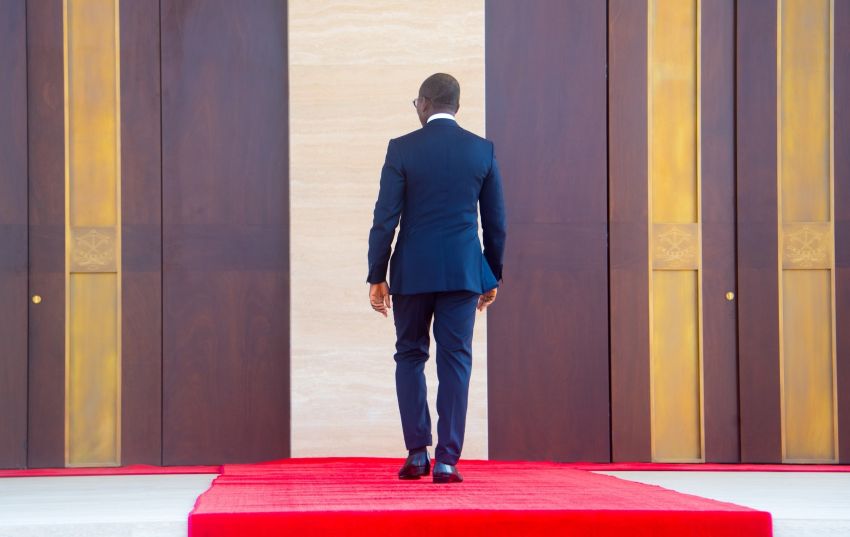
Bénin’s peaceful power transfer: patrice talon bids farewell as romuald wadagni prepares for leadership
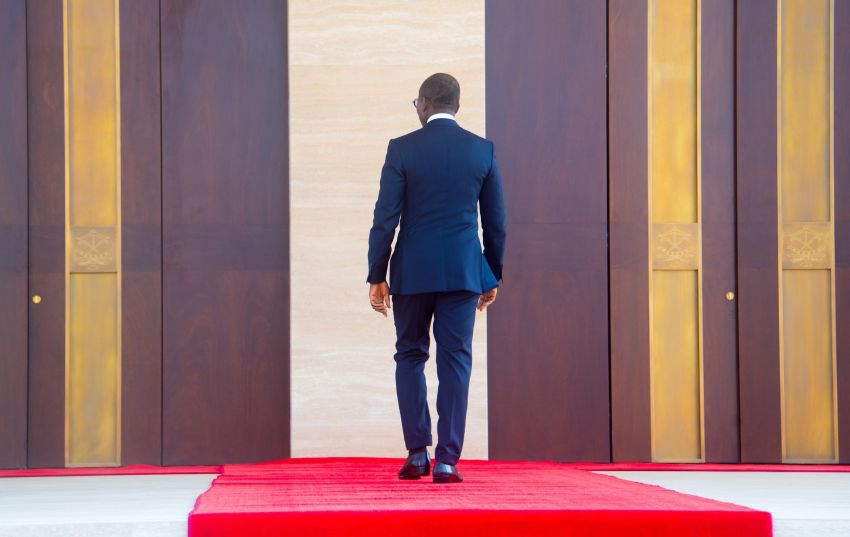
Libreville – Bénin stands on the cusp of closing one of the most significant political chapters in its recent history. On the eve of the official inauguration of President-elect Romuald Wadagni, scheduled for Sunday, May 24, 2026, outgoing President Patrice Talon delivered a poignant farewell address to the nation, imbued with profound symbolic, political, and institutional weight.
After a decade at the helm of the Béninois state, the departing president’s speech resonated with themes of continuity, national gratitude, and a powerful call for unity behind his successor.
In a region where political transitions frequently spark unrest, this moment holds particular importance. The handover of power from Patrice Talon to Romuald Wadagni is already being recognized as a pivotal event, garnering attention far beyond Bénin’s borders.
A political transition under continental scrutiny
Patrice Talon’s departure unfolds within an African landscape where institutional stability, governance, and democratic alternation are central to public discourse. By formally announcing his step down after two presidential terms, the Béninois leader frames his exit within a commitment to republican continuity and the strengthening of national institutions.
In his address, Patrice Talon extended a warm welcome to Romuald Wadagni, describing him as the individual poised to lead Bénin into a new phase of national development. The outgoing president conveyed his best wishes for Wadagni’s success over the next seven years, acknowledging the “challenging and inspiring mission” that now awaits the new Head of State.
This political succession also signifies the rise of a new wave of African leaders, increasingly focused on economic, technocratic, and transformative agendas.
A decade of reforms and profound changes
During his message, Patrice Talon extensively reviewed his ten years leading the country. The outgoing president defended his administration’s record, highlighting the reforms undertaken, major projects initiated, and the transformations implemented to modernize the Béninois state and bolster its socio-economic progress.
Acknowledging the obstacles encountered, he described his journey as at times “fraught with challenges,” yet affirmed that these difficulties ultimately strengthened the nation’s collective drive. His tone was both personal and statesmanlike.
Patrice Talon emphasized the crucial role played by all Béninois citizens, from urban centers to rural communities, and including the diaspora, in the advancements achieved during his tenure. This effort to collectivize his political legacy also reflects an attempt to solidify the notion of a national trajectory transcending partisan divisions.
Romuald Wadagni faces immense expectations
Beyond the emotion of the departure, the critical question of the post-Talon era now emerges. Romuald Wadagni inherits a nation profoundly transformed economically and administratively, but also one grappling with high social expectations.
The former Finance Minister, recognized for his technocratic background and strong connections within international economic circles, must now fully embody presidential authority. The task is formidable: to sustain the economic momentum while simultaneously enhancing social cohesion and political trust.
In his speech, Patrice Talon explicitly urged Béninois citizens to rally behind the incoming president “for the superior interest of Bénin.” This statement encapsulates one of the primary challenges of Bénin’s new political chapter: transforming institutional continuity into enduring stability.
A personal tribute with deep symbolic resonance
One of the most striking moments of the address was undoubtedly Patrice Talon’s tribute to his wife, Claudine Talon. The departing president publicly lauded her as “a great lady” who supported him “with affection and patience” throughout his presidential journey.
Rarely expressed with such intensity in official African discourses, this personal homage lent a more human and intimate dimension to the speech. Beyond his family, Patrice Talon also conveyed his gratitude to his close associates, supporters, and all who stood by him during his time in power.
Bénin embarks on a new chapter
This political transition extends far beyond Bénin’s borders. In numerous African capitals, the transfer of leadership from Patrice Talon to Romuald Wadagni will be closely watched as a significant institutional benchmark for West Africa.
Bénin now seeks to project the image of a state capable of ensuring republican continuity while maintaining its political and economic stability. Patrice Talon’s departure thus ushers in a new phase for the country – a phase where popular expectations will remain high, where economic ambitions must translate into greater social benefits, and where the new administration will quickly face the test of delivering results.
However, one certainty already stands out: by leaving office with a message of unity, transmission, and institutional confidence, Patrice Talon endeavors to cement a lasting political legacy.
As Romuald Wadagni prepares to take his oath, Bénin enters a fresh era in its contemporary history, with an unwavering commitment to advancing towards stability, regional influence, and economic transformation.