Bénin boosts food sovereignty with local processing push
In a sweeping three-day national tour, the Minister of Agriculture, Livestock, and Fisheries, Adin Yeton Bloukounon Goubalan, delivered a bold message to farmers and agribusiness leaders across Bénin: the nation must halt its reliance on raw material exports and prioritize domestic processing to secure food independence and economic growth.
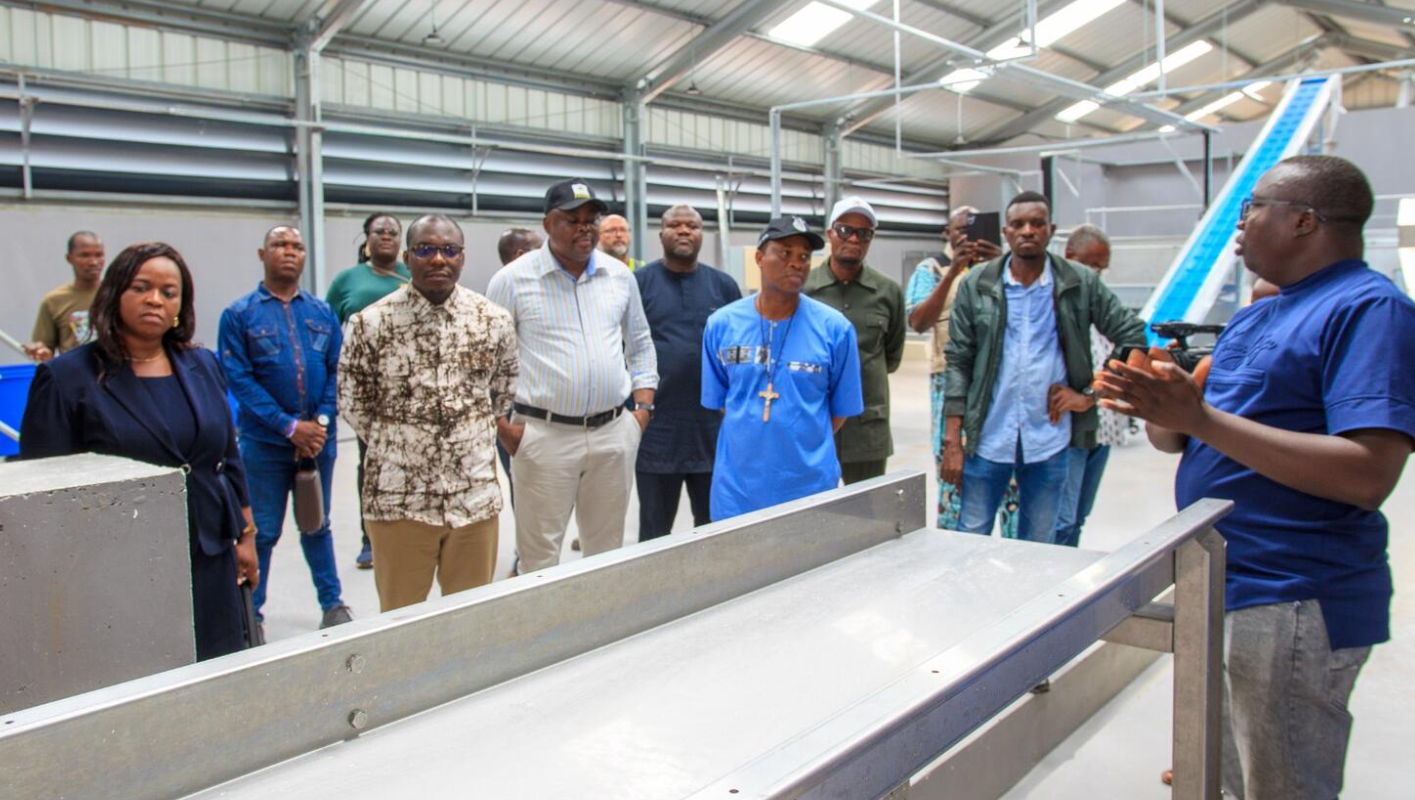
Bénin’s agricultural sector is at a turning point, with the government accelerating efforts to modernize production chains. From June 11–13, the minister visited key agricultural hubs including Paouignan, Glazoué, and Parakou. The goal was clear—ensure the President’s vision of ending raw material exports becomes a tangible industrial reality.
Rice and cassava: the road to self-sufficiency accelerates
The rice sector is already reaping dividends. At Glazoué, Premium Agro-Industries, a major player in rice processing, unveiled plans to expand its operations with a third processing plant in Dangbo. This new facility will boost the group’s annual processing capacity from 300,000 to 500,000 tonnes of paddy rice. The move promises to slash Bénin’s dependence on costly rice imports from Asia.
Meanwhile, in Paouignan, attention turns to cassava—the country’s white gold. A new local processing plant nearing completion will produce gari, tapioca, and crucially, flour that can substitute wheat imports. What sets this project apart is its inclusive business model: a private-public partnership where local producer cooperatives share in the profits and employment benefits, ensuring rural communities thrive alongside industry.
Cashew nuts: cracking down on smuggling
While progress is evident, challenges persist. The cashew nut sector, a major export crop, faces a serious threat: the illegal outflow of raw nuts to neighboring countries. Local processors warn that this hemorrhage undermines domestic value addition and stunts job creation for young Béninois.
The minister’s response was unequivocal. The government is tightening border controls and prioritizing stock security for national processing plants. The message is simple: exporting raw cashews means exporting jobs—and Bénin will not stand for it.
Cotton: a 700,000-tonne gamble with incentives
The tour concluded with the most critical segment of Bénin’s agricultural economy: cotton. After three consecutive years of declining output, the government is pushing for a dramatic recovery. The target for the 2026–2027 season is set at 700,000 tonnes—a bold leap forward.
To motivate farmers and offset rising input costs, the President has introduced a landmark incentive: a bonus of 10 FCFA per kilogram for all cotton meeting the national target. This financial boost aims to revive rural incomes and restore confidence in the sector.
From clamping down on smuggling to rolling out financial incentives and scaling up industrial projects, Bénin is charting a course toward a more resilient agricultural economy. The final hurdles—logistics and climate resilience—remain steep, but the political will is unwavering. The nation’s food and economic future is being forged in these fields today.
