
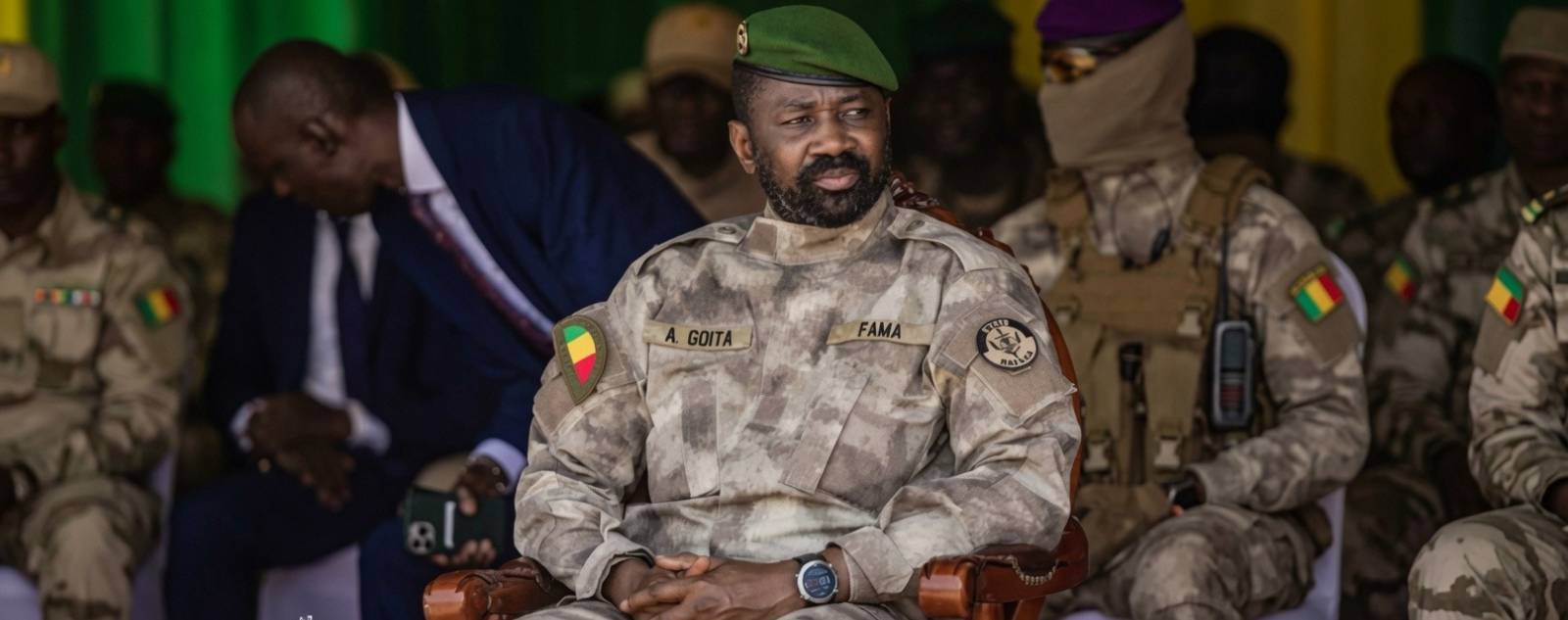
The transitional government in Bamako has taken a decisive step in its enforcement strategy by adopting a draft ordinance that overhauls the national Code de la Nationalité. From now on, any Malian citizen by birth who also holds another nationality may face the revocation of their Malian citizenship if found guilty of undermining the country’s vital interests.
Previously, Mali’s legal framework only permitted the withdrawal of citizenship from individuals who had acquired it through naturalization. This new regulation, however, shifts the focus toward dual nationals born as Malians, marking a significant departure from past practices.
broadened grounds for nationality revocation
The newly approved legislation introduces stringent criteria for nationality revocation. Authorities now have the power to initiate proceedings against individuals deemed complicit or aligned with hostile foreign powers, as well as those involved in separatist movements. The law also targets direct financial support, logistical aid, or public advocacy for armed terrorist groups.
The decree includes a safeguard to prevent statelessness: revocation will only apply if the individual possesses another nationality, ensuring compliance with international conventions.
political implications and targets
On the political front, this measure is widely interpreted as a direct response to opposition figures, both within and beyond Mali’s borders. Several suspended political party leaders, suppressed media personalities, and members of armed groups from the Cadre Stratégique Permanent (CSP) or activists critical of the transition government currently reside abroad—primarily in Europe or neighboring countries—while maintaining significant media or operational influence domestically.
The Bamako administration aims to sever both legal and administrative ties with those it labels as threats to the nation’s rebuilding process, using this legal tool as a means of control and deterrence.