Bamako demolition crisis leaves displaced families homeless
Massive demolition in Bamako displaces 300 families
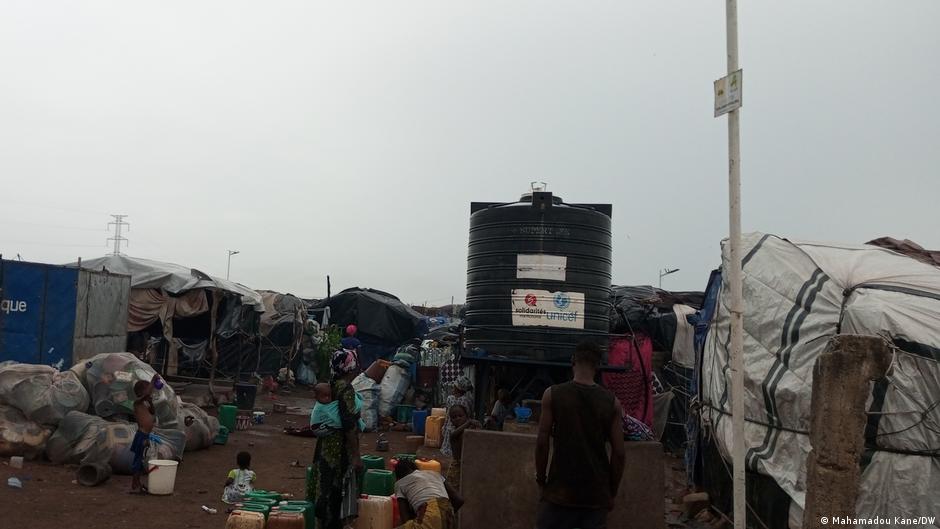
The livestock market of Faladiè in Bamako, which also served as a shelter for internally displaced persons, was completely demolished over the weekend. This destruction has left over 300 families—primarily women and children—without shelter or basic necessities in the capital city of Mali.
The demolition follows a government decision made in September 2024. After jihadist attacks on military sites including a gendarmerie school, authorities ordered the relocation of several livestock markets in Bamako, suspecting some had been used by armed groups. However, the Faladiè market also housed a long-standing informal camp for displaced families, most of whom fled violence in central Mali years ago.
From displacement to homelessness in a single day
Dado, a 40-year-old mother from Bankass in central Mali, fled her village six years ago after her community was targeted in the conflict. She arrived in Bamako with her seven family members—her mother, three sons, and two daughters—believing they had found safety in the capital. “We thought we were protected here,” she says.
Following the demolition, Dado and hundreds of others who had been living in the Faladiè camp now face a dire humanitarian crisis. Over 2,000 displaced persons—mostly women and children—are stranded without food, clean water, or medical care in a city already struggling with multiple displacement crises.
Where are the displaced families supposed to go?
Officials claim that displaced persons from Faladiè should be relocated to Sanankoroba, a site 35 kilometers from Bamako, prepared by the government to accommodate them. However, local traders and displaced families describe the site as non-functional and ill-prepared to receive such a large number of people.
Dado pleads for urgent assistance: “We accept being asked to leave, but please find us another place to go. We have no choice. We are begging for shelter.”
Before the demolition, many displaced residents survived by collecting food scraps and recyclables from the market to sell to livestock owners. Now, they lack even the most basic resources. “Water, food, and above all, a roof over our heads—these are our immediate needs,” says another displaced person. “Without shelter, nothing else matters.”
A humanitarian crisis fueled by conflict and displacement
Established in 2019, the Faladiè camp had received support from both national and international humanitarian organizations. But after the demolition, aid workers and authorities are still assessing the situation. The National Directorate for Social Development stated it was “too early to comment” on next steps, leaving thousands in limbo.
With no immediate solution in sight, displaced families like Dado’s remain trapped between the trauma of conflict and the harsh reality of urban displacement—homeless in a city that once promised refuge.
