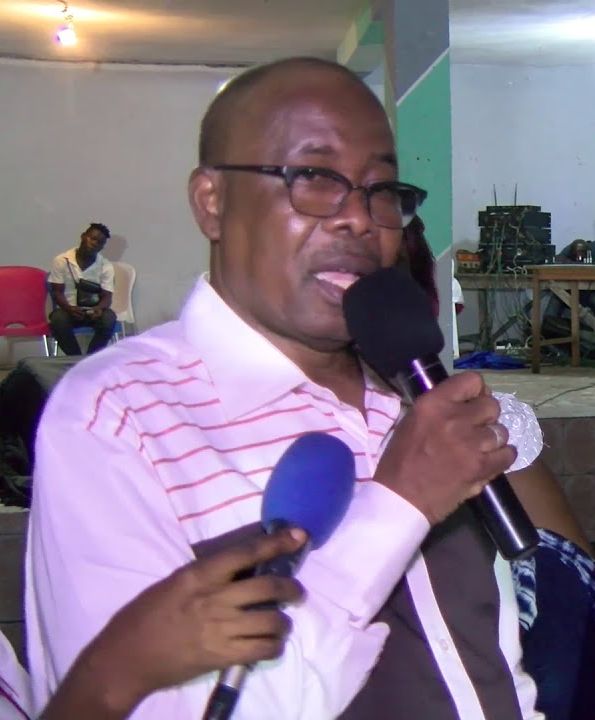
Babily Dembélé: a journey of resilience in Côte d’Ivoire
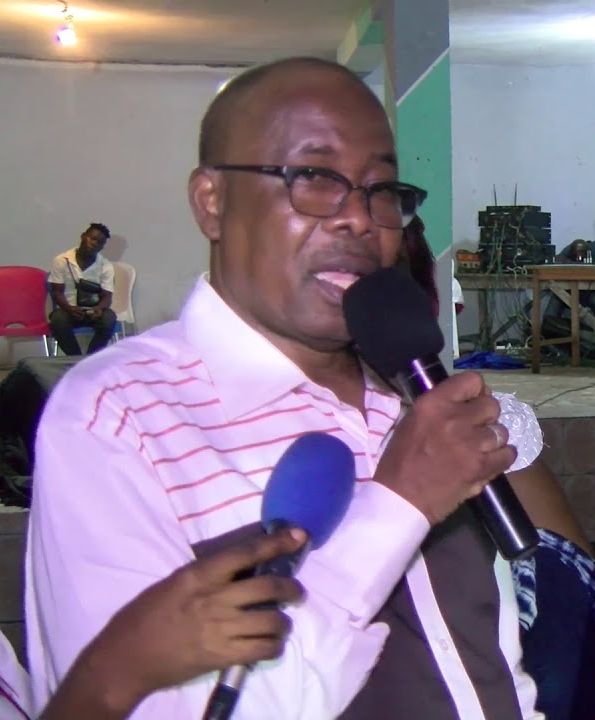
Rising from humble beginnings, Babily Dembélé has become a prominent multifaceted leader in Côte d’Ivoire. An architect, politician, entrepreneur, and social advocate, his journey reflects unwavering perseverance, deep faith, and a relentless drive to excel.
From adversity to ambition: the early years
Born into a family facing extreme poverty, Babily Dembélé experienced firsthand the harsh realities of life. His father, a forced laborer displaced from Kouto to Dimbokro, later settled in Brofodoumé with the support of the Béché family. Despite financial struggles, his parents instilled in him the values of hard work, dignity, and determination.
His childhood was marked by hardship. Sent to live with a relative in Sassandra, he endured difficult conditions, sometimes sleeping in a chicken coop. These challenges fueled his resilience and determination to succeed. A turning point came when he met a French priest named Alib, who recognized his potential. With Alib’s moral and educational support, Babily excelled academically, becoming one of the top students in his generation.
Academic brilliance and presidential recognition
During his studies, Babily Dembélé crossed paths with future legal luminary Maître Boga Doudou and Adama Koné, a relative of Ambassador Aboubacar Koné. All three earned their baccalaureate the same year but pursued different paths. While Boga Doudou chose law, Babily focused on science, emerging as a national mathematics laureate in 1977-1978. This achievement caught the attention of President Félix Houphouët-Boigny, who met with him and his mother, offering personal support for his education.
With this backing, Babily enrolled in the Académie des sciences de Paris, where he trained as an expert architect. He later pursued further studies at Al-Azhar University in Egypt, earning a diploma in African and Western cultural anthropology. This dual expertise in science and culture shaped his vision for development and inter-cultural dialogue.
Career milestones: architecture, politics, and social impact
Returning to Côte d’Ivoire in the mid-1980s, he was introduced to the African Development Bank by President Houphouët-Boigny. He embarked on an international career, contributing to infrastructure projects in 53 African countries, including buildings, roads, and bridges.
In 1995, President Henri Konan Bédié appointed him as Special Advisor for Religions, Political Parties, and Civil Society. This role honed his political and diplomatic skills. However, Babily’s journey was not without challenges. After the 1999 coup d’état, he was imprisoned for over a month. The 2002 political-military crisis led to his exile in France for five years. Despite these setbacks, his commitment to Côte d’Ivoire never wavered.
In 2007, at President Laurent Gbagbo’s request, he returned to serve as Special Representative to Arab countries. Concurrently, he ventured into private enterprise, acquiring the company CIAD-Primo and launching a major real estate project in M’Pouto, Riviera commune, involving 800 housing units across 40 hectares with an estimated investment of 5 to 7 billion FCFA.
Beyond his professional achievements, Babily Dembélé is deeply involved in social and religious initiatives. He has facilitated the construction of multiple places of worship, including 11 mosques and 7 churches. Notably, in 1999, he chartered a Saudi Arabian plane to transport 2,000 pilgrims to Mecca and Medina, significantly reducing the cost of the pilgrimage.
Promoting unity and development
Babily Dembélé’s journey exemplifies how adversity can be transformed into opportunity. From his difficult childhood to his leadership in politics, business, and social causes, he embodies resilience, success, and dedication to human development and peaceful coexistence in Côte d’Ivoire.
