Argentina switzerland preview: albiceleste’s unbeatable mentality under scrutiny

argentina vs switzerland: albiceleste’s unbeatable mentality faces a stern test

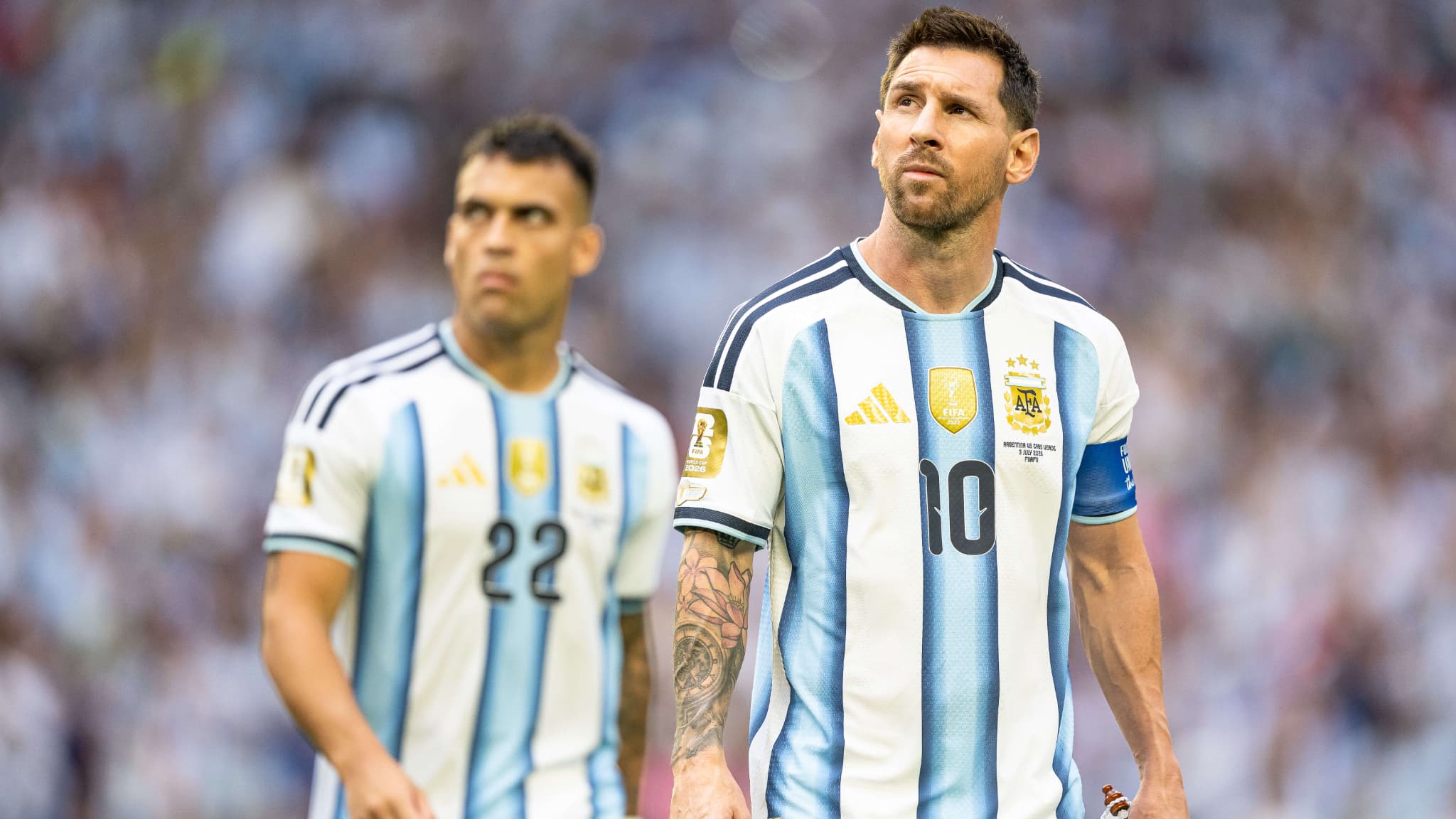
Tuesday in Atlanta, the 79th minute. Argentina trails Egypt 2-0, and Lionel Messi is on the verge of closing the door on his world cup legacy. The captain delivers a pinpoint cross to Cristian Romero, who powers a header past the goalkeeper (83rd minute). The momentum shifts entirely when Enzo Fernández equalizes in stoppage time (90+3), sending Messi and his teammates into emotional tears. Fifteen minutes had rewritten their fate.
The French pundit Jérôme Rothen reflected on the team’s resilience: “Few squads can recover from missed penalties, near-misses, and world-class goalkeeping like Argentina did. Their ability to thrive under pressure is unmatched.” This resilience followed closely on the heels of a grueling victory over Cape Verde three days prior, where Argentina twice fought back from losing positions before prevailing in extra time (3-2 a.e.t.)—despite cramping issues for several players.
Though occasionally shaky in possession, Argentina remains unbeaten in 2026, consistently turning adversity into triumph through sheer mental fortitude. “This group thrives on personality and temperament,” noted Rothen. “Their unity is their greatest weapon—it can carry them past any opponent.” Former world cup winner Franck Leboeuf echoed the sentiment: “This team’s solidarity is what sets them apart.”
Grit and glory: the soul of argentine football
The concept of “la garra”—the unyielding spirit—has become the heartbeat of Argentina’s football identity. Sacrifice and endurance are glorified in local narratives, with media outlets like Olé amplifying these values. “Resilience isn’t bought at a pharmacy or ordered online. Epics aren’t taught—they’re lived. Argentina doesn’t just play matches; it suffers, battles, and never surrenders.”
Former Senegalese international Souleymane Diawara, now a pundit, offered a sobering perspective: “A team chasing back-to-back titles can’t afford to waver against teams like Cape Verde or Egypt. Argentina remains vulnerable and hasn’t yet faced a true football powerhouse.” Former French defender Éric Di Meco concurred, stating that neither Switzerland in the quarterfinals nor potential semifinal opponents like England or Norway pose a real threat. “Their path to the final is wide open. They may not be the most aesthetically pleasing team, but their formula works—and there’s no reason to change it.” After all, Argentina co-holds the record for most world cup matches decided in extra time (12), winning ten of those encounters.
stronger than in 2022?
Argentina’s 2022 world cup triumph was built on razor-thin margins. While they dominated Croatia in the semifinals (3-0), their earlier matches were decided by the skin of their teeth: a hard-fought win over Australia in the round of 16 (2-1), and two heart-stopping shootout victories—against the Netherlands in the quarterfinals (2-2, 4-3 on penalties) and France in the final (2-2, 4-2 on penalties). With Angel Di María retired, the core of the 2022 squad remains intact in 2026. “From the first game, I felt this team had the same potential as in 2022,” observed Franck Leboeuf. Both Rothen and Di Meco believe the Albiceleste is “even stronger than four years ago.”
The team’s cohesion and leadership have been pivotal. “Messi is in better form than at the last world cup,” Di Meco noted. Argentina has scored twice in every match this tournament, a feat powered by the 39-year-old’s eight goals. Diawara, however, cautioned: “Messi can’t single-handedly carry Argentina forever. When he’s neutralized, the team will struggle.” Yet, the nation clings to the hope of a historic second consecutive title.
