Algeria’s push to regain influence in Mali and Niger amid Morocco rivalry
Algeria re-engages with Mali and Niger as Morocco strengthens Sahel ties
After fifteen months of severed ties with Bamako, Algeria has restored diplomatic relations with Mali and reopened its airspace to Malian aircraft. With Niamey, the rapprochement has gone even further, including the delivery of four military helicopters, renewed oil projects, and joint crude oil marketing. These moves coincide with Morocco’s deepening influence across the Sahel, prompting Algeria to act quickly to regain lost ground before Rabat consolidates its economic and political foothold in the region.
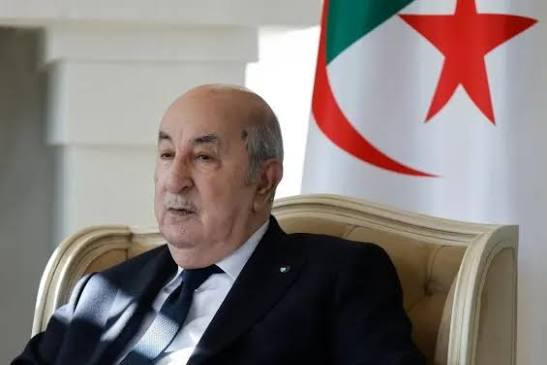
Over the past weeks, Algeria’s diplomatic push has intensified. After a period of unprecedented confrontation with Bamako, Algiers reinstated its ambassador to Mali on July 10, while Mali reciprocated by naming its envoy back to Algiers and reopening its airspace to Algerian civilian and military flights. This normalization, following months of crisis, took a new turn in early August when Malian Prime Minister Abdoulaye Maïga highlighted a «complete convergence of views» with Algerian President Abdelmadjid Tebboune, particularly on «state sovereignty and non-interference in internal affairs». For Algeria, this thaw is more than just repairing fractured ties—Mali is its key Sahelian neighbor, a central member of the Alliance of Sahel States (AES), and the country whose rupture had most visibly exposed Algeria’s declining diplomatic clout in the region. Restoring dialogue with Bamako signals a deliberate effort to rebuild influence, one step at a time.
Military support and energy deals shape Algeria’s strategy in Niger
Algeria’s engagement with Niamey has been even more pronounced. On August 9, Algeria delivered four helicopters to Nigerien forces—two Mi-24V attack helicopters and two Mi-171 transport helicopters—along with spare parts, maintenance equipment, and ammunition. Days later, the Algerian prime minister traveled to Niamey to oversee drilling operations at the Kafra Sud-Est 1 exploration well, while Sonatrach and Niger’s national oil company (Sonidep) announced their first joint crude oil marketing operation. In a matter of days, Algiers combined military assistance, hydrocarbon projects, and economic cooperation—three pillars essential for re-establishing a tangible presence in the Sahel and countering Morocco’s growing footprint.
Sahel states at the heart of a diplomatic tug-of-war
The renewed Algerian outreach comes amid a rapidly shifting regional landscape. The AES countries—Mali, Burkina Faso, and Niger—have distanced themselves from Western partners, deepened ties with Russia, and launched independent diplomatic and economic initiatives. In June, their foreign ministers convened in Bamako to operationalize the «Diplomacy pillar» of the Confederation and adopt a unified approach. For Algeria, this transformation presents both a challenge to its historical influence and an opportunity to reconnect with governments that, after severing ties with Paris and other Western capitals, are actively seeking new alliances. Yet the arrival of a third major player—Morocco—has intensified the competition, as Rabat pursues a multi-pronged strategy combining political diplomacy, religious outreach, investment, infrastructure, and Atlantic-facing initiatives.
The rivalry with Morocco underscores the reactive nature of Algeria’s return. Security analysts note that Algiers is now scrambling to preserve its regional influence in the face of Moroccan advances. While Algeria boasts strong military capabilities and significant energy revenues, these assets have not translated into commensurate political influence. Morocco, by contrast, has methodically built a network of economic and strategic interests—including banking, telecommunications, religious education, and infrastructure—that foster long-term interdependence. Where Rabat seeks to create lasting dependencies, Algiers appears focused on blocking its neighbor from capitalizing on its own setbacks. The result is a counter-offensive aimed at reclaiming lost ground and containing Moroccan influence in the Sahel.
The long road to reconciliation with Bamako
The restoration of ties with Mali marks a pivotal moment for Algeria. For fifteen months, the two nations were locked in a bitter standoff that seemed to have permanently derailed their once-close relationship, built around Algeria’s mediation role in the 2015 peace accord. The crisis escalated after Bamako rejected the agreement and Algeria destroyed a Malian drone near Tinzaouaten in April 2025, an incident that led to mutual accusations of aggression. Both countries recalled their ambassadors, and Mali took its case to the International Court of Justice, while Algeria contested the court’s jurisdiction. Against this backdrop, the July 10 decision to restore diplomatic relations was a major reversal. Mali announced the return of its ambassador to Algiers and the reopening of its airspace, while Algeria did the same in Bamako. Within weeks, Malian officials spoke of a «complete convergence of views» with Algeria, suggesting that normalization extends beyond administrative fixes. It also offers Algiers a chance to re-engage in critical discussions on Sahel security and governance. Analysts have pointed to mediation by Moscow and Niamey in facilitating this rapprochement.
Niger as a showcase for Algeria’s renewed strategy
Algeria’s approach is perhaps most visible in Niger. As early as March, the second session of the high-level Algerian-Nigerien joint commission covered energy, security, transport, health, finance, and infrastructure. Both governments described their relationship as «strategically irreversible» and announced a «completely renewed partnership». Since then, commitments have multiplied: the military helicopter donation represents a notable security contribution, while the Kafra Sud-Est 1 drilling project and the first joint oil marketing initiative give the partnership a tangible economic dimension. These initiatives, though promising, still face real-world challenges.
This strategy responds to both geographic necessity and political imperatives. Algeria shares over 1,300 kilometers of border with Mali and a long frontier with Niger—countries grappling with armed groups across the Sahel. The erosion of stability in these states is not just a diplomatic concern for Algiers; it directly impacts its own security. Yet military doctrine alone is no longer enough to sustain influence. Algeria must now deploy economic and energy tools that can rival those wielded by Morocco. The Trans-Saharan gas pipeline, hydrocarbon projects, infrastructure development, and military equipment form the pillars of this return to the Sahel.
Morocco’s head start poses a tough challenge for Algeria
Algeria’s dilemma is that Morocco did not wait for its return—and many of Rabat’s gains are precisely the ones Algiers failed to prevent. On April 10, Mali withdrew its recognition of the so-called «Sahrawi Arab Democratic Republic» and declared support for «Morocco’s autonomy plan as the only serious and credible basis» for resolving the Western Sahara dispute. The three AES countries have also steadily expanded their ties with the Kingdom. For Algeria, this shift cuts to the core of its rivalry with Morocco: beyond Sahel influence, the contest now hinges on which country can rally African capitals to its position on Western Sahara. Trapped in damage control, Algiers is racing to restore lost positions and deny Rabat further political dividends. Its policy is less about expanding new territory than about frustrating a neighbor’s ability to exploit Algeria’s own missteps.
A fragile recovery in the Sahel
The current phase reveals a catch-up strategy driven by the loss of influence. After ceding its mediation role in Mali, Algeria is attempting to return through bilateral relations, energy projects, infrastructure, and security cooperation. Niger has become the most advanced testing ground for this policy, while Mali—with restored ambassadorial ties and air links—serves as the diplomatic proving ground. Burkina Faso rounds out this approach, though relations with Ouagadougou remain less visible. Algeria’s return is primarily about recovering what it once held and preventing Morocco from capitalizing on the void. The obsession with Moroccan advances gives Algerian Sahel policy a reactive edge: influence is measured not by the benefits conferred on partner states, but by gains or losses relative to its rival. A power seeking lasting influence in the region must ultimately offer its own compelling vision—not just counter what another is doing.
