Albert pahimi padacké calls for Chad’s decentralization reforms
Albert Pahimi Padacké critiques Chad’s excessive centralization, advocating for reforms to bolster provincial autonomy and overcome central government resistance.
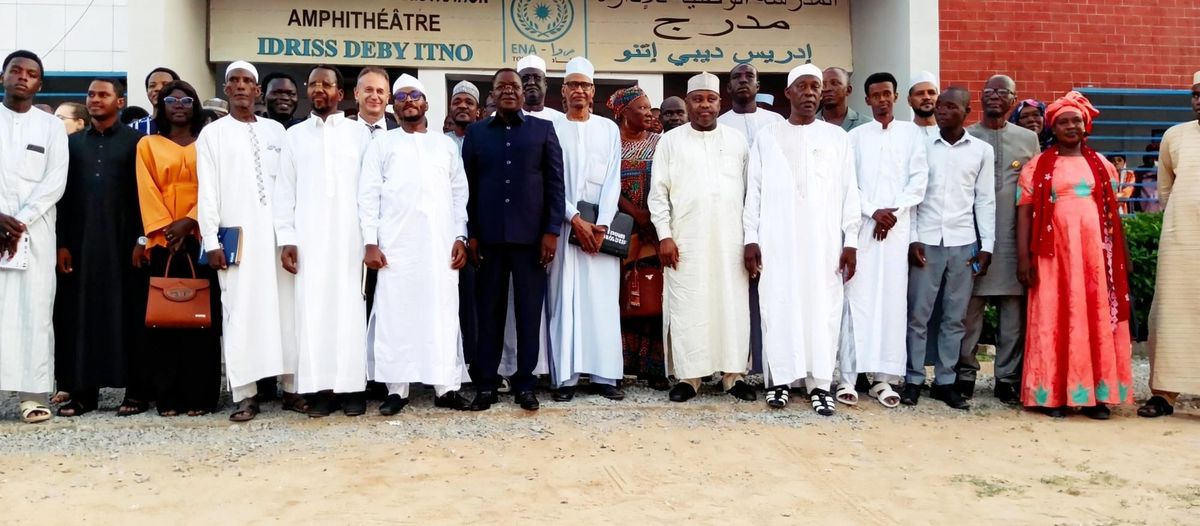
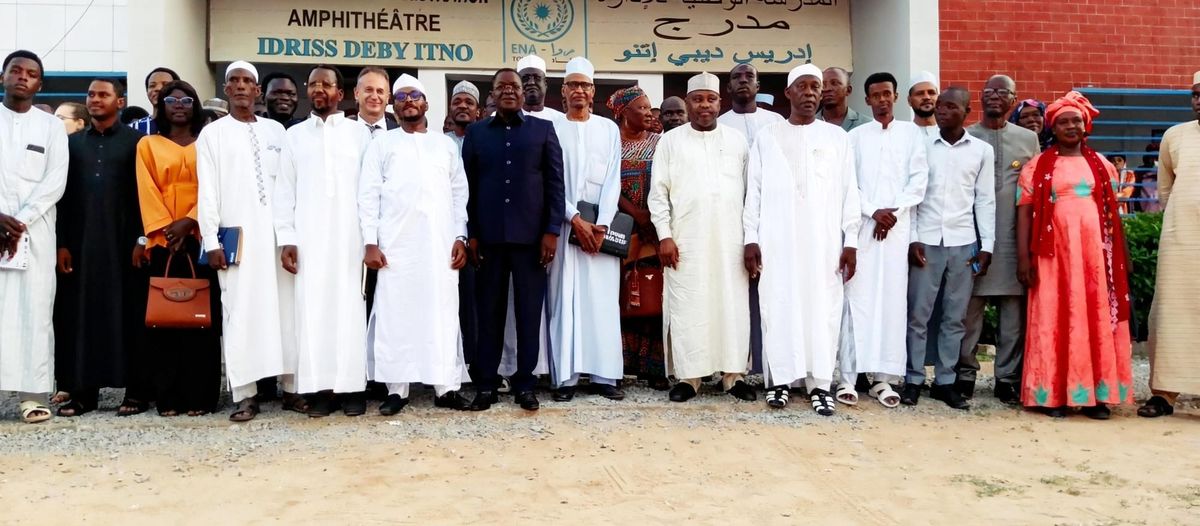
Albert Pahimi Padacké, a prominent Chadian political figure, former Prime Minister, and current Senator, recently led a well-attended conference-debate on May 29, 2026. Addressing a packed Idriss Déby Itno amphitheater at the National School of Administration (ENA), he highlighted the crucial role of provincial councils. The leader of the RNDT-Le Réveil party acknowledged the potential of local governance but sharply criticized the central government’s reluctance to relinquish control. His chosen topic, « De la décentralisation dans la dynamique du développement : cas des conseils provinciaux » (Decentralization in the Dynamics of Development: The Case of Provincial Councils), resonated deeply with attendees, including executives, students, and political stakeholders, as it touched upon the core of Chad’s institutional restructuring.
For over two hours, the former Premier presented a comprehensive analysis, blending technical precision with political candor. While Chad has formally embraced regionalization and decentralization, he contended that the practical implementation falls considerably short of the stated objectives.
The theoretical advantages of grassroots development
Padacké commenced by reiterating the undeniable benefits of decentralization. He emphasized its role as a paramount mechanism for bringing governance closer to citizens, fostering local initiatives, and ensuring a fairer distribution of national wealth. Focusing on provincial councils, Albert Pahimi Padacké elucidated how autonomous management could enable more responsive and timely addressing of critical social needs, from education and healthcare to fundamental infrastructure.
He firmly stated that Chad’s progress cannot be harmonious if every decision, no matter how small, continues to be dictated from the central government’s offices in the capital.
The chokehold of “vertical centrality”
Despite the theoretical framework, the Senator’s assessment revealed a fundamental Chadian paradox: a legal structure for decentralization undermined by a deeply centralized, Jacobin practice. Albert Pahimi Padacké underscored at length what he termed the « résistance de la centralité verticale de l’État » (resistance of the State’s vertical centrality).
The RNDT-Le Réveil leader’s analysis pointed to a passive yet fierce resistance from the central administration against the actual transfer of powers and, critically, financial resources. Provincial councils, though established, find themselves without the genuine means to implement their policies, stifled by the overarching authority of a central government reluctant to relinquish its historical prerogatives. Padacké essentially conveyed that « Une décentralisation sans autonomie financière n’est qu’une illusion administrative » (decentralization without financial autonomy is merely an administrative illusion).
Advocating for genuine power transfer
In light of this assessment, the conference swiftly transformed into a fervent plea for bold reforms. Albert Pahimi Padacké urged for collective awareness and resolute political will to dismantle the vertical structure that impedes provincial progress. To ignite a true development dynamic, he implored the State to empower local elected officials and transform provincial councils into autonomous economic drivers, rather than mere extensions of the capital’s authority.
The ensuing lively discussions with the audience, which included future high-ranking civil servants from the ENA, underscored that local governance remains one of the most anticipated and sensitive challenges within Chad’s institutional framework.
