
Exposing systemic looting: staggering losses in Cameroon’s natural wealth
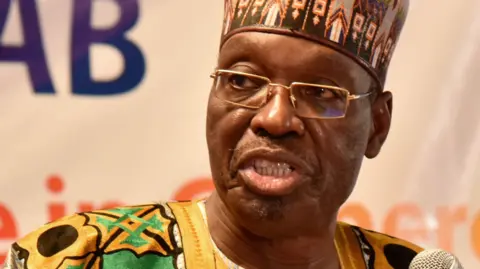
In a sweeping indictment delivered today, opposition leader Issa Tchiroma Bakary unveiled damning evidence of what he describes as industrial-scale plundering of Cameroon’s sovereign wealth. Speaking in a nationally televised address, the veteran politician presented verified financial data revealing losses exceeding 10 trillion Central African francs across gold, oil, and timber sectors alone. The accusations target decades of alleged malfeasance by the administration of President Paul Biya, with figures that have left citizens reeling.
The saga begins with the nation’s mineral resources. According to official audits, gold valued at 2 trillion francs vanished from state coffers through opaque transactions. Investigators traced these losses to questionable sales contracts and undervalued exports. Oil revenues fared no better: the national oil company SNH reportedly generated billions in off-budget earnings over 40 years, with Glencore procuring crude at less than 30% of market value. Entire shipments disappeared from records, while international bodies like the IMF and World Bank flagged suspicious capital outflows that never appeared in national accounts.
ADVERTISING
The timber industry faces an identical crisis. Auditors found that 80% of Cameroon’s wood exports were conducted illegally, with state officials allegedly facilitating the theft. Combined, these three sectors alone account for over 10 trillion francs in vanished wealth—enough to transform the nation’s socio-economic fabric.
A second layer of corruption emerges in the mismanagement of public contracts. Two budget lines—65 and 94—were mysteriously erased from records between 2012 and 2021, representing 5.4 trillion francs in unexplained expenditures. The Special Criminal Court, created under President Biya, convicted officials for siphoning nearly 9 trillion francs between 1997 and 2021. Ghost workers further deepened the hemorrhage: over 20,000 fake civil servants appeared on payrolls for years, costing the treasury an estimated 200 billion francs annually. Scandals like the Yaoundé-Douala highway overbilling and COVID-19 vaccine price gouging—documented at over 500 billion francs—epitomize the systemic rot.
Fraud at Cameroon’s ports compounds the crisis. Customs and anti-corruption agencies documented 1.665 trillion francs in suspicious transactions in 2023 alone. Over six years, 1.246 trillion francs were lost to customs fraud, with 1.745 trillion francs attributed to scanning irregularities at Douala port, linked to private inspectors. The revelations expose a turf war between rival factions within the regime over control of institutionalized graft.
The final dimension involves personal enrichment by the ruling elite. Investigators identified 744 million euros in assets seized in France tied to President Biya’s inner circle. Additional holdings include Nyom estate (18 billion francs), Dubai properties (44 billion francs), and extravagant stays at Geneva’s Hôtel Continental—priced at 50,000 dollars per night. Despite constitutional mandates, no senior official has ever declared their wealth.
Tchiroma Bakary’s conservative estimate places total losses at 26 trillion francs. Experts warn the actual figure could reach 80 trillion francs when accounting for shell companies and tax havens. For context, this staggering sum could fund:
- 36 years of salaries for 380,000 teachers, healthcare workers, and soldiers
- Construction of 2,600 district hospitals—260 per region
The opposition leader closed with an unequivocal warning: “No amnesty, no secret negotiations. Every official guilty of plunder will face justice—at home and abroad.”