AES parliament formation sparks debate over security priorities
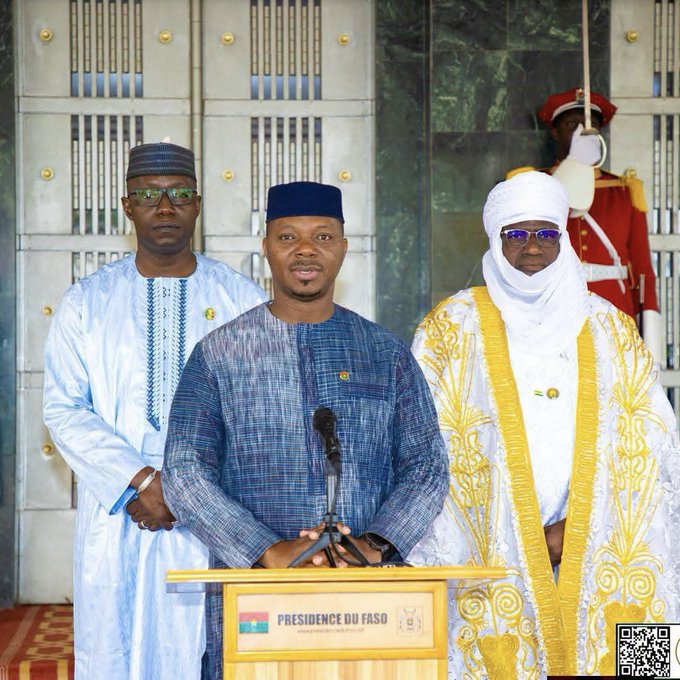
The Confederation of Sahel States (AES) is advancing its institutional framework, with the parliaments of Burkina Faso, Mali, and Niger taking significant steps toward establishing a confederal assembly. During a high-level meeting in Ouagadougou, the presidents of the three national legislatures were received by Captain Ibrahim Traoré, Chair of the AES, to receive strategic guidance ahead of the official inauguration of the confederal Parliament.
Following the discussions, officials confirmed that the selection of deputies is imminent, paving the way for the first plenary session of this new governing body. The confederal Parliament is expected to serve multiple roles: representing the citizens of the three member states, supporting the AES’s institutional operations, and reinforcing the political vision advanced by the alliance’s leadership.
This development marks another milestone in the AES’s post-CEDEAO institutional consolidation, as the alliance seeks to replace the regional bloc’s governance structures with its own. However, the timing of this parliamentary initiative has drawn scrutiny amid escalating security challenges.
Over recent weeks, Burkina Faso, Mali, and Niger have faced a surge in jihadist attacks, some unprecedented in scale, resulting in significant losses among both security forces and civilian populations. The absence of a high-level security-focused gathering to address these urgent threats has fueled concerns that the AES’s leadership may be prioritizing institutional construction over immediate security imperatives. Critics argue that while the long-term benefits of a confederal Parliament are acknowledged, the current focus could be perceived as misaligned with the pressing needs of affected communities.
The formation of the confederal Parliament is also being interpreted by some analysts as a signal of deepening political divisions in West Africa. By formalizing its own governance structures, the AES is reinforcing its autonomy from the Economic Community of West African States (ECOWAS), potentially complicating prospects for broader regional cooperation—both politically and in matters of security.
