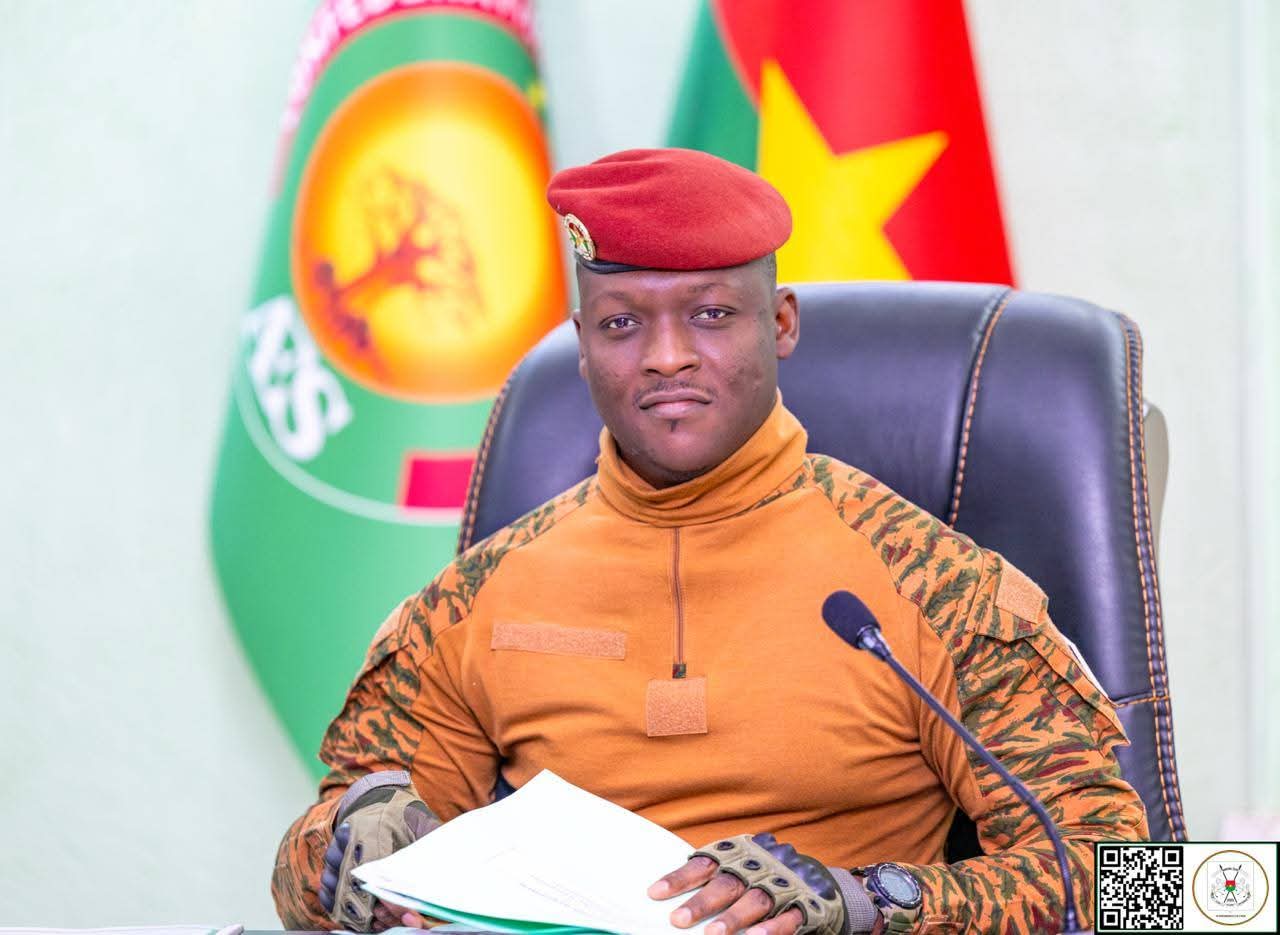
AES at two years: triumphant rhetoric overshadowed by Mali’s persistent insecurity
Commemorating the second anniversary of the Alliance of Sahel States (AES) on July 6, 2026, Captain Ibrahim Traoré, the current president of the Confederation and Burkina Faso’s Head of State, delivered a remarkably assertive address. He presented a largely positive assessment of the AES’s achievements and articulated ambitious goals for the future of the organization, which comprises Burkina Faso, Mali, and Niger. Yet, beneath the confident tone of his speech, significant questions linger regarding the Confederation’s actual capacity to translate its declarations into tangible outcomes.
The AES president highlighted the Confederation’s notable strides in political, diplomatic, and military collaboration. He pointed to enhanced coordination in counter-terrorism efforts, the strengthening of shared institutions, and gradual economic integration across member states.
However, his address lacked specific data or precise metrics to substantiate these claimed advancements. Citizens across the Sahel continue to grapple with profound challenges, including pervasive insecurity in numerous regions, rising inflation, limited access to fundamental social services, and an economic slowdown.
The discourse also underscored a firm commitment to building economic sovereignty through industrialization, localized processing of natural resources, ensuring food and energy security, and facilitating the free movement of people and goods within the bloc.
While these objectives are certainly ambitious, their realization will demand substantial investment, appropriate infrastructure, and enduring stability. This comes at a time when all three nations face considerable budgetary constraints and a volatile security landscape.
A prominent theme in Traoré’s speech was his attribution of some of the AES’s difficulties to an “economic and media war,” campaigns of misinformation, and external pressures he characterized as imperialistic and neocolonial.
This perspective aligns with the official stance of AES authorities since their disengagement from various Western partners. Nevertheless, this interpretation is not universally accepted among observers, who contend that the Confederation’s challenges also stem from internal factors, such as governance issues, economic pressures, and the relentless wave of terrorist attacks.
The speech also aimed to reassure, asserting that the AES harbors no animosity towards any nation or organization. Simultaneously, it confirmed ongoing discussions with ECOWAS to redefine future relations between the two regional bodies.
This openness to dialogue stands in stark contrast to the heightened tensions that have characterized relations between the two organizations in recent years, suggesting a desire to safeguard certain regional achievements, particularly the principle of free movement.
Ultimately, Ibrahim Traoré’s message appeared less as a comprehensive performance review and more as a political declaration designed to bolster cohesion around the AES project.
Two years post-inception, the Confederation presents a clear vision and a unifying narrative centered on sovereignty and integration. Yet, the true measure of its success will be found in tangible results: enhanced security, creation of employment opportunities, economic growth, and a marked improvement in the living conditions for its populations.
However, Ibrahim Traoré’s resolute speech is starkly juxtaposed against a security reality that remains profoundly troubling. While the Confederation’s president highlighted strides in the fight against terrorism, recent attacks in Mali serve as a potent reminder that the threat persists. On July 4, 2026, multiple camps and positions of the Malian Armed Forces (FAMa) were subjected to coordinated assaults in key localities such as Gao, Aguelhok, Anéfis, Sévaré, and Kéniéroba. These incidents underscore the enduring capability of armed groups to strike simultaneously across various fronts in Mali, challenging the narrative of improved security. These events are crucial for understanding current Mali news and Mali current affairs.
Such occurrences expose the limitations of the security frameworks currently deployed by the AES. Despite reinforced military cooperation and joint operations frequently publicized by authorities, the organization continues to struggle in fundamentally reversing the dynamic of insecurity across the Sahel region. Beyond pronouncements of sovereignty and unity, the populations of West Africa Mali news are now demanding concrete outcomes: a significant reduction in attacks, the return of stability, and a palpable improvement in their daily security. Citizens will ultimately assess the success or failure of the project championed by the leaders of Burkina Faso, Mali, and Niger based on these critical indicators, impacting Mali politics english discussions.
