
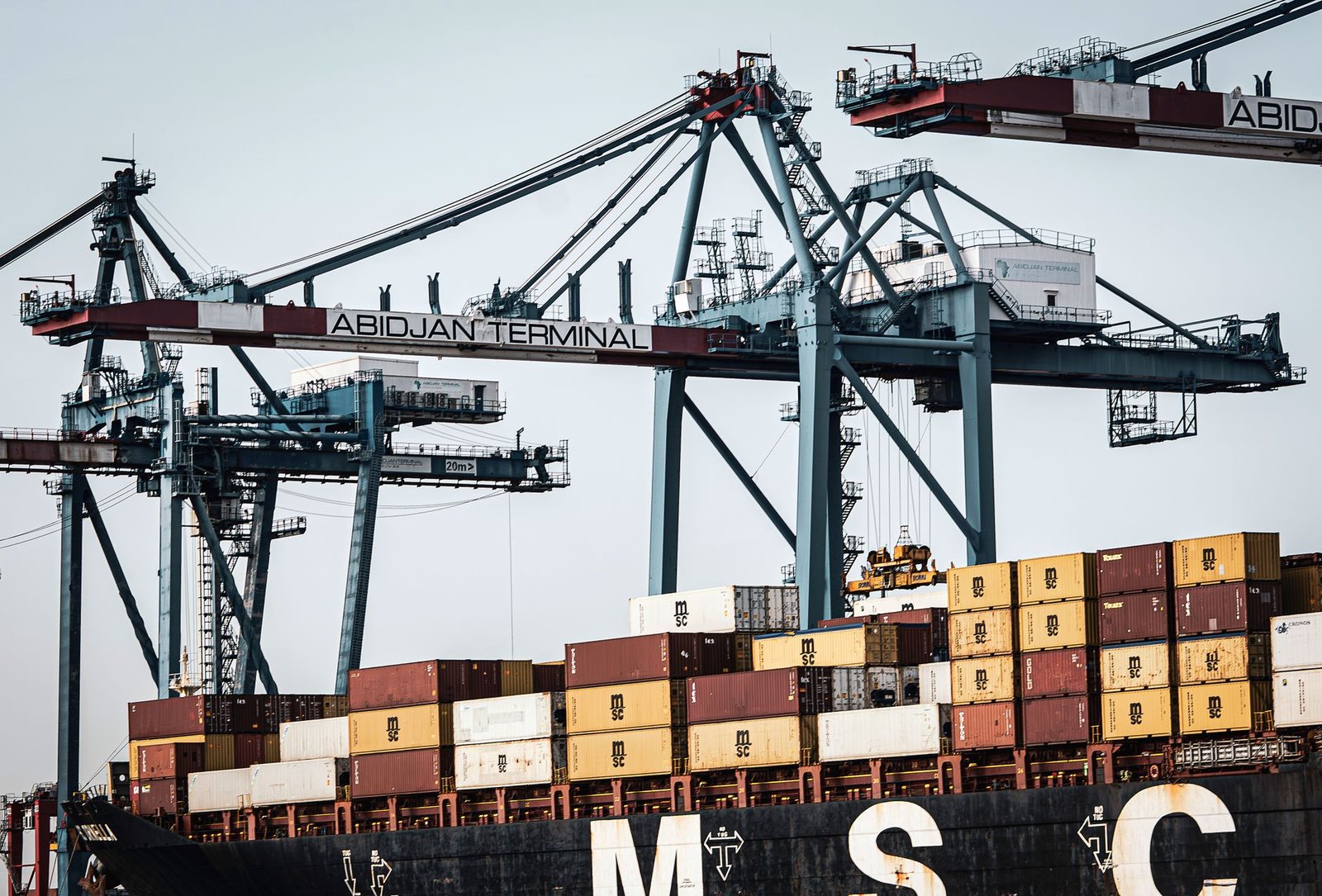
In Côte d’Ivoire, the autonomous district of Abidjan’s aggressive eviction policy has reached a new phase with the complete destruction of the Zimbabwe neighborhood in Vridi-3. This significant operation, which commenced on Tuesday, June 2, targeted a 28-hectare area historically inhabited by a fishing community, situated just a short distance from the bustling autonomous port of Abidjan. Within a matter of hours, thousands of residents found themselves displaced, under circumstances eyewitnesses described as particularly harsh. This latest action follows closely on the heels of similar demolitions, occurring merely ten days after three informal settlements were razed in Cocody, the affluent northern commune of Abidjan.
Urban order restoration: a contentious initiative
Local authorities frame this extensive campaign as an essential step toward restoring order within the economic capital’s urban fabric. The official designation, “urban order restoration operation,” clearly indicates the autonomous district’s determination to regain control over areas deemed to be illegally occupied. The Vridi-3 district, widely known as Zimbabwe, was identified as a priority target due to its immediate proximity to the metropolitan area’s vital port and logistics infrastructure.
For decades, this coastal strip has been a hub for artisanal fishing, a critical activity that supplies a substantial portion of Abidjan’s markets. Consequently, beyond the profound loss of homes, this displacement represents the abrupt collapse of an informal economic ecosystem that provided structure and livelihood for thousands of households. Residents have reported receiving neither adequate prior notice nor credible support measures before the demolition equipment arrived on site.
Mounting land pressure near the autonomous port
The location of the demolished neighborhood is far from arbitrary. The autonomous port of Abidjan remains the country’s primary gateway for commercial traffic and stands as one of the most significant maritime hubs in the Gulf of Guinea. Its continuous expansion, coupled with the escalating development of surrounding logistical and industrial projects, fuels an intense land pressure on the port’s periphery. Vridi, in particular, has been the subject of considerable interest for several years, eyed for new developments related to trade, hydrocarbon industries, and coastal tourism.
Within this evolving landscape, what are termed “precarious occupations” are viewed by urban planners as impediments to the economic valorization of the coastline. The destruction of the Zimbabwe neighborhood aligns with a strategy to free up strategic land parcels, yet it simultaneously exposes authorities to considerable reputational and social risks. Human rights organizations had previously voiced concerns during earlier operations regarding the lack of effective rehousing solutions for displaced populations.
A precedent in Cocody and an unsettling trajectory
The events in Vridi-3 extend the pattern established in Cocody, where three informal housing pockets were demolished within a few days. The accelerated pace and repetition of these interventions suggest a broader strategic roadmap by the autonomous district, aiming to reconfigure Abidjan’s urban layout ahead of several major development project deadlines. For the local executive, led by Governor Ibrahim Cissé Bacongo, the challenge lies in balancing rapid modernization with the complex management of a metropolis home to over six million inhabitants.
The fate of the displaced individuals remains a pressing concern. No structured rehousing plan has been publicly announced for the former residents of the Zimbabwe neighborhood, even as Abidjan’s rainy season draws near—a period when homeless populations are most vulnerable. Local associations also fear a ripple effect, anticipating the rapid emergence of new informal settlement zones on the outskirts of the capital.
It remains to be seen whether this current wave of displacements will mark a lasting shift in Ivorian urban policy or if, under social and international pressure, it will lead to a revision of current methods. The trajectory chosen by Abidjan’s authorities in the coming weeks will significantly influence the perception of the metropolitan governance model championed by Yamoussoukro.