2026 global human rights report: Chad’s political and social challenges
Key political developments
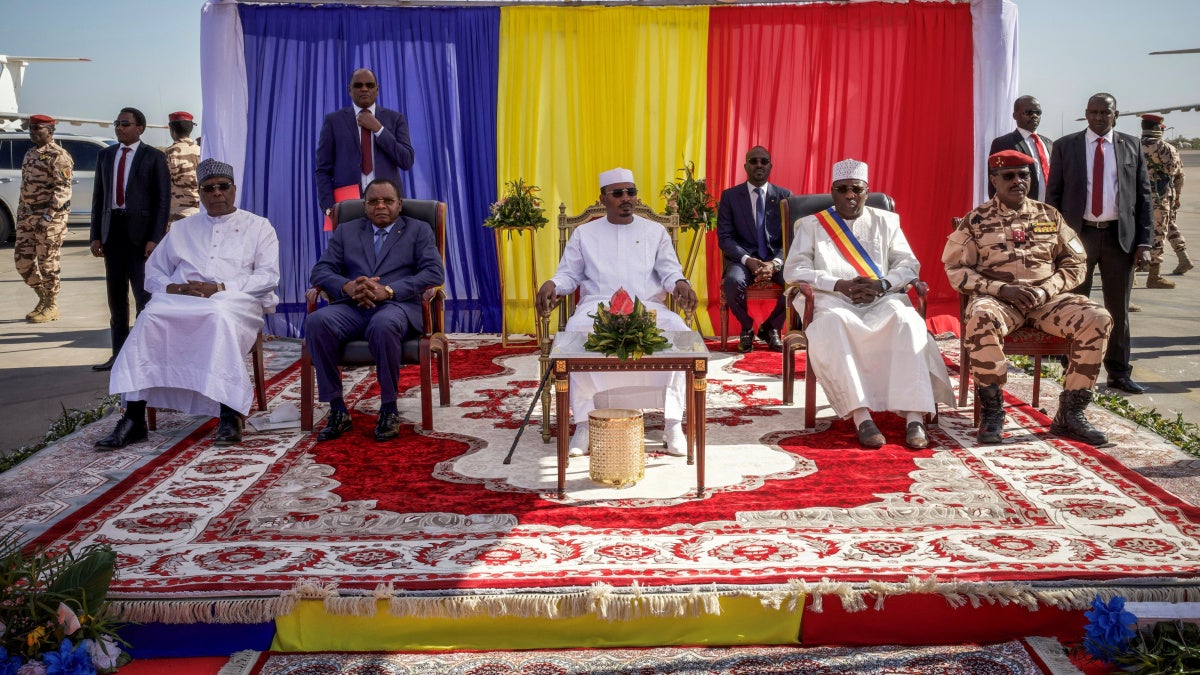
The 2024 presidential election in Chad, widely criticized by opposition groups for irregularities, paved the way for Mahamat Idriss Déby to consolidate power in 2025. Following his victory, constitutional amendments extended presidential terms from five to seven years and removed term limits entirely. This change effectively allows Mahamat Idriss Déby to remain in office indefinitely, contingent on holding elections every seven years.
Opposition figures faced severe repression. Succès Masra, leader of the opposition party Les Transformateurs, was arrested in May 2025 and sentenced to 20 years in prison on charges including incitement to hatred and complicity in murder. His trial, alongside dozens of co-defendants, drew widespread condemnation for violating the Kinshasa Agreement, which had previously suspended his arrest warrant and guaranteed his safe return from exile and political participation.
A controversial amnesty law, protecting perpetrators of abuses linked to the October 2022 protests, has stifled justice for victims of state violence. Meanwhile, unresolved grievances persist among victims of the 2024 post-election crackdown, where at least 11 people were killed by security forces. No credible investigations or reparations have been conducted.
Constitutional changes centralize power
In September 2025, Chad’s National Assembly approved sweeping constitutional reforms that extend presidential terms and abolish term limits, eliminating checks on executive power. The vote, boycotted by most opposition members, passed with 171 votes in favor, one abstention, and no opposition. These changes further entrench Mahamat Idriss Déby’s control and weaken legislative oversight, curtailing political dissent and public debate.
Ongoing intercommunal violence and humanitarian strain
Deadly clashes between nomadic Fulani herders and sedentary farming communities surged in southern and eastern Chad in 2025. Disputes over land use, exacerbated by climate pressures and population growth, led to devastating violence:
- Mandakao (Logone-Occidental): In May, at least 41 people were killed in clashes over disputed grazing and farming boundaries. Authorities attributed the violence to contested land titles, with both sides accusing the other of encroachment.
- Orégomel (Mayo-Kebbi Ouest): In June, machete attacks during agrarian disputes left 17 dead, including women and children.
- Molou (Ouaddaï): Mid-June tribal clashes resulted in around 20 deaths and 16 injuries.
These conflicts, compounded by cross-border displacement from the war in Sudan and severe flooding in late 2024 and early 2025, have overwhelmed Chad’s humanitarian infrastructure. Overstretched aid organizations struggle to address food insecurity and refugee needs, with Chad ranking among the hardest-hit countries in the region.
Justice delayed for victims of past abuses
Efforts to deliver reparations to victims of abuses during the regime of former President Hissène Habré made little progress in 2025. Partial payments made in 2024 fell far short of court-ordered compensation, leaving survivors without meaningful redress.
Crackdown on dissent and press freedom
Political repression extended to civil society and media. Following the death of opposition leader Yaya Dillo in a 2024 security forces raid on his party headquarters, no investigation was launched in 2025. In December 2024, 24 of Dillo’s relatives were released from Koro Toro high-security prison, though 10 others were acquitted earlier in 2024. In June 2025, Robert Gam, leader of Dillo’s party, was freed after eight months of detention without charge.
Journalists have also been targeted. In March 2025, Olivier Monodji and Mahamat Saleh Alhissein were arrested on charges of espionage and conspiracy, allegedly linked to their reporting on the Wagner Group. Their prolonged detention without trial violated international standards, though they were released in July.
In a separate move, the government revoked the citizenship of Makaila Nguebla, a former presidential advisor on human rights, and Charfadine Galmaye Saleh, a journalist and activist, both currently in exile. Their cases underscore the government’s use of legal mechanisms to silence critics.
LGBTQ+ rights under threat
Chad’s Penal Code, Article 354, criminalizes same-sex relations, imposing up to two years in prison and fines between 50,000 and 500,000 CFA francs (approximately $75–$750). This law continues to fuel discrimination and persecution of LGBTQ+ individuals.
