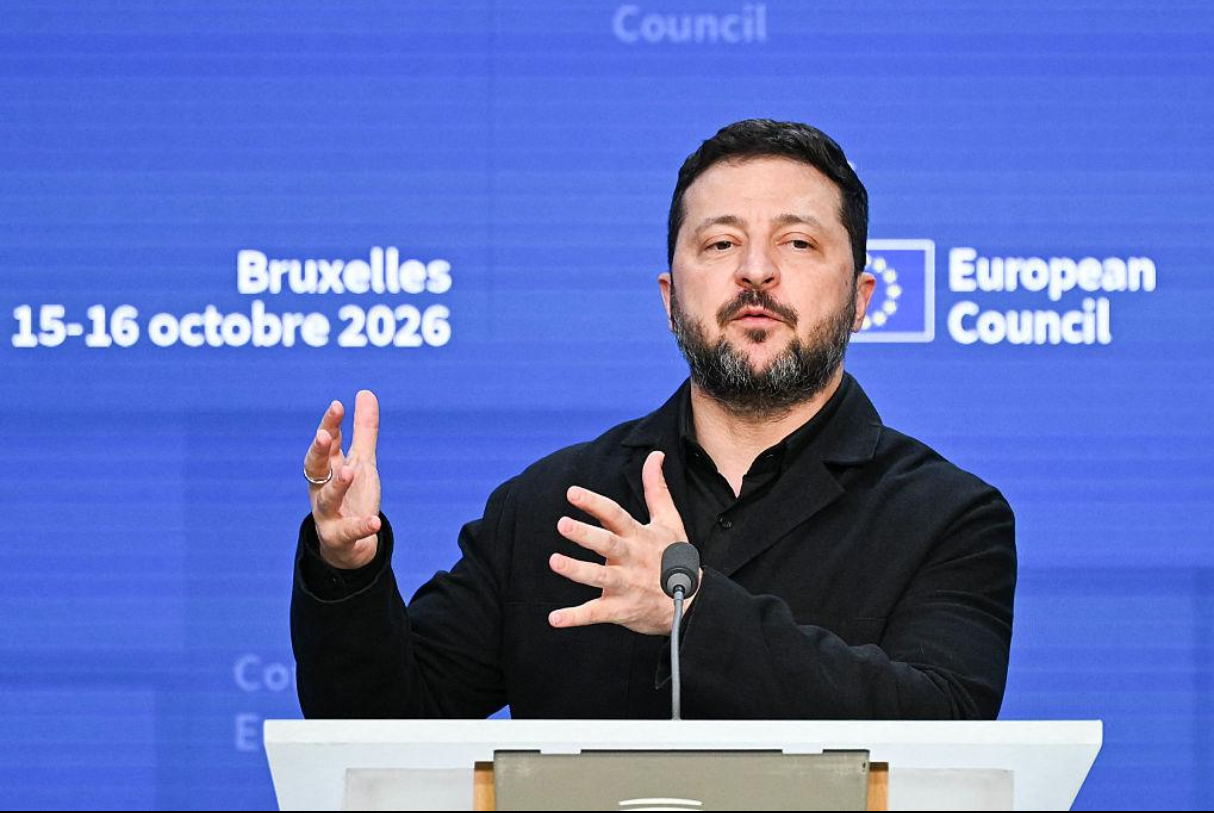
Zelensky proposes combat freeze yet rejects territorial concessions in Ukraine war
Ukrainian president Volodymyr Zelensky announced on 21 october 2026 that kyiv is prepared to halt active fighting along current military lines, paving the way for talks on security guarantees with Washington and european capitals. yet in a cnn interview the following day, he firmly reiterated that this stance does not equate to recognizing russian control over occupied areas or surrendering ukrainian-held land.
Combat pause as a stepping stone toward talks
Speaking to fox news on 21 october, Zelensky framed the freezing of military positions as a pragmatic step to end the bloodshed. ‘we must freeze the situation now,’ he stated, arguing that a ceasefire could create space for a political process after years of conflict. the move, he suggested, represents the bare minimum kyiv expects from Moscow to halt the killing and destruction before tackling thornier issues at the negotiating table.
However, this proposal does not imply ukrainian acceptance of Russia’s territorial claims. freezing the front would mean pausing hostilities along existing contact lines without legally endorsing the annexation of occupied regions. for kyiv, the distinction is critical: a de facto military stalemate does not translate into de jure recognition of Moscow’s land grabs.
Security guarantees as the backbone of any deal
Following a potential ceasefire, Ukraine seeks binding security assurances from the united states and european allies. for Zelensky, halting the fighting is only the first step—preventing its resumption is equally vital. without robust protection mechanisms, any truce risks being a temporary pause rather than a lasting solution.
His approach envisions a phased process: stopping the fighting, initiating negotiations, and establishing a security framework capable of deterring future russian offensives. yet this strategy hinges on mutual agreement over ceasefire terms and the willingness of western partners to commit to long-term safeguards.
No retreat on ukrainian-controlled territories
In his 22 october cnn interview, Zelensky clarified the red lines of kyiv’s diplomatic opening. he ruled out recognizing occupied regions as russian territory and insisted Ukraine would not abandon areas it still controls, particularly in donetsk. ‘our land is vital because it’s about people, not kilometers,’ he emphasized, underscoring the human cost of defending ukrainian sovereignty.
For kyiv, even a frozen conflict leaves occupied territories legally part of Ukraine. this stance highlights the core challenge in negotiations: how to stabilize the front without legitimizing Russia’s military gains. Moscow views control over occupied regions as non-negotiable, while kyiv refuses to cede an inch of its sovereign land. the donbass dispute epitomizes this deadlock, as Russia demands full control of donetsk, yet Ukraine holds firm on its remaining positions.
The critical role of western commitments
Beyond the battlefield, the reliability of security guarantees remains a decisive factor. kyiv wants ironclad pledges from the u.s. and europe to deter Russia from restarting hostilities post-ceasefire. western partners would need to define their military and diplomatic roles clearly—including responses to potential russian violations of any agreement.
These questions arise amid strains in kyiv-Washington relations. Zelensky acknowledged recent challenges in u.s. support, particularly regarding military capabilities and communication systems vital to ukrainian forces. despite these tensions, he still views america as indispensable to any sustainable resolution. european involvement is equally crucial, as Ukraine seeks not just a halt to fighting but long-term security assurances. the practical scope of these commitments, however, will depend on political will and negotiation outcomes.
A diplomatic opening with no peace in sight
Zelensky’s statements signal a willingness to pause the fighting, but they fall short of a breakthrough toward peace. Russia and Ukraine remain at odds over territory, ceasefire conditions, and the security guarantees needed to prevent renewed war.
Russian president vladimir putin responded on 22 october by expressing Moscow’s readiness for u.s.-mediated talks with kyiv, while insisting on a durable settlement that addresses Russia’s security concerns. yet the specifics of any territorial compromise remain contentious.
At its core, Ukraine’s proposal raises a pivotal question: can hostilities cease without immediately resolving the status of disputed lands? kyiv answers by separating military realities from legal recognition of borders. a frontline freeze could mark a first step toward de-escalation—provided both sides agree on its terms and credible guarantees underpin the truce. but as long as Moscow and kyiv hold irreconcilable demands on sovereignty and security, the prospect of lasting peace remains elusive.
Caught between the urgency of ending the war and the imperative of preserving territorial integrity, Ukraine is navigating a narrow diplomatic path—one that may open the door to negotiations without predetermining their outcome.
