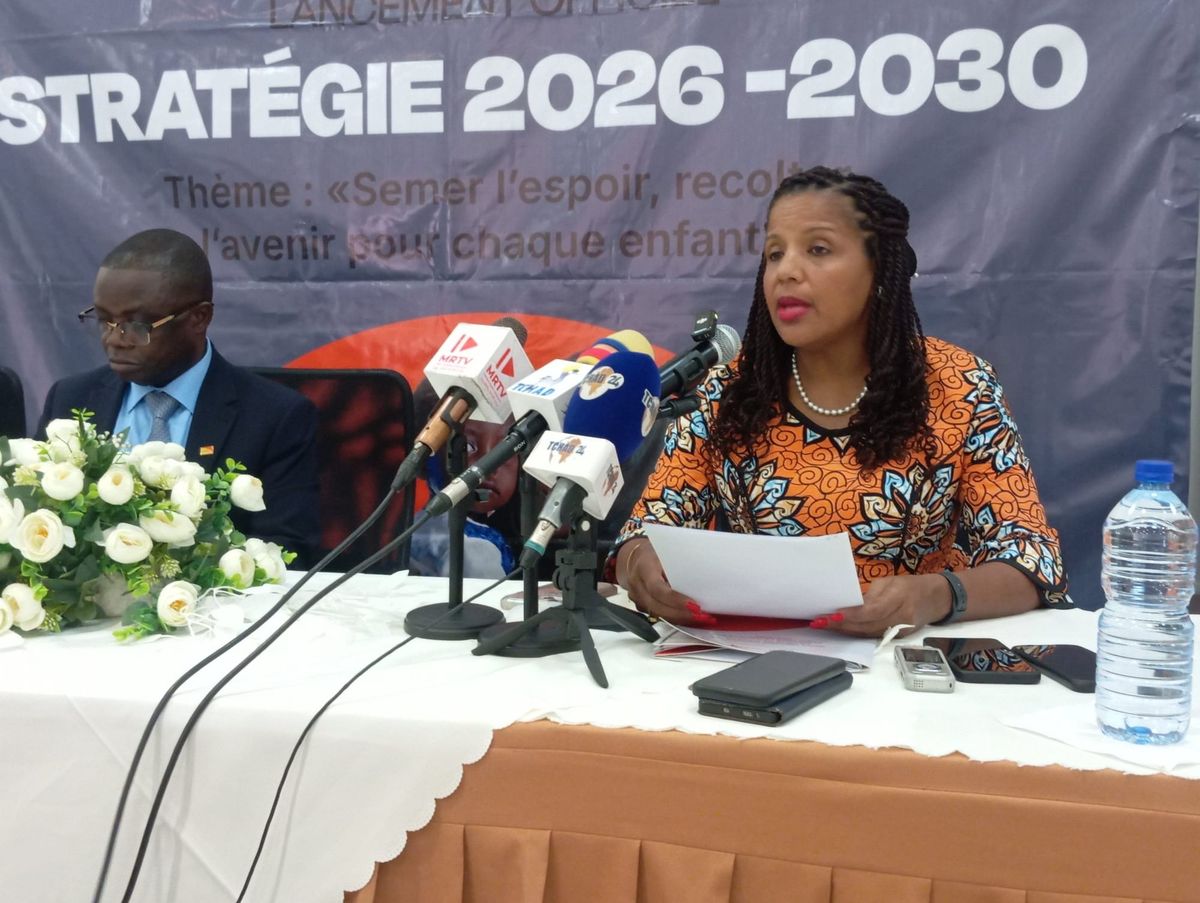
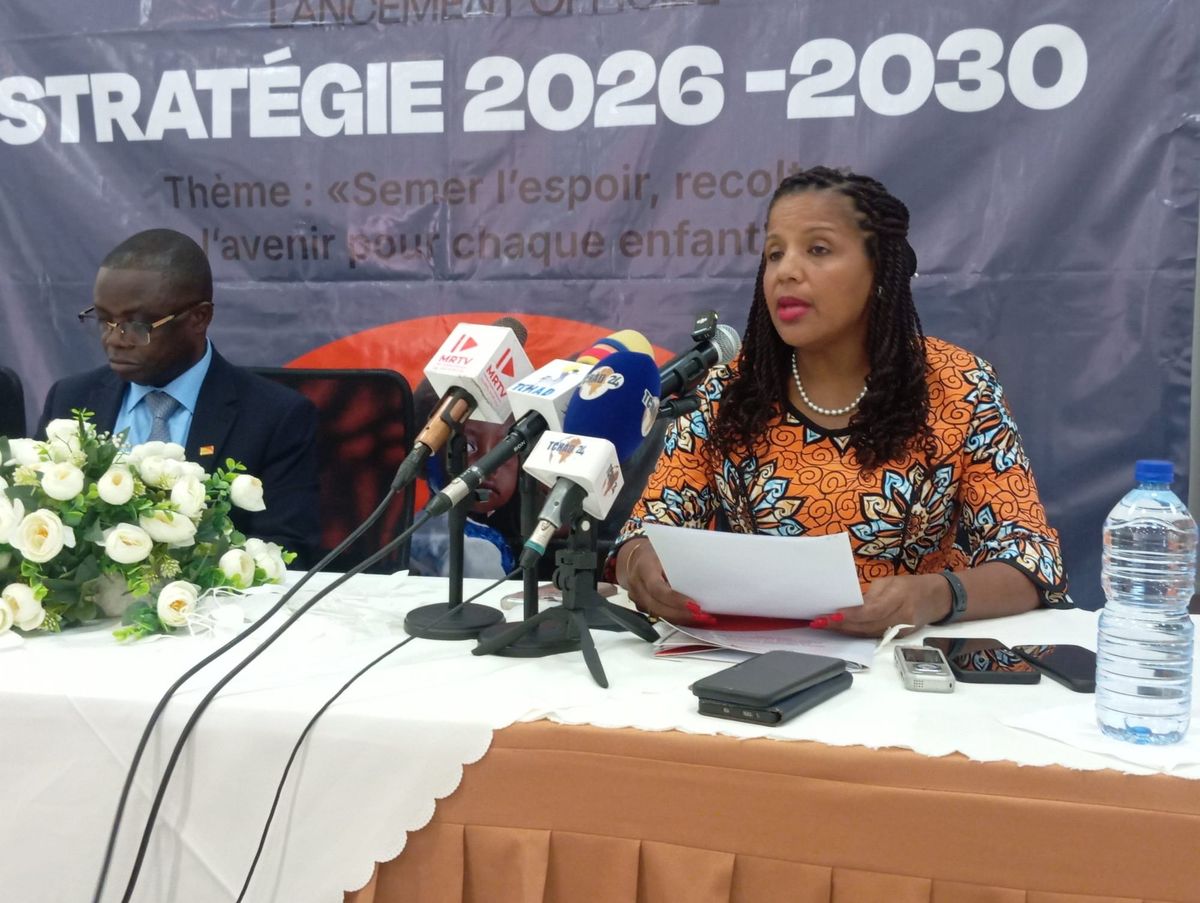
In a landmark initiative, World Vision Tchad has unveiled its ambitious five-year roadmap, spanning 2026 to 2030, with a primary objective: transforming the lives of 3.29 million children across the nation. The strategy was formally introduced during a high-profile press conference in N’Djamena, drawing participation from national authorities, media representatives, and key technical and financial partners.
a holistic approach to child development and community resilience
The newly launched strategy integrates three critical pillars—humanitarian aid, sustainable development, and peacebuilding—into a cohesive framework designed to address the multifaceted challenges facing Tchad’s most vulnerable populations. By combining immediate relief with long-term growth initiatives, World Vision Tchad aims to create lasting positive change for children and their communities.
key focus areas and targets
The 2026–2030 plan prioritizes five core sectors essential to child well-being:
- Health and nutrition: Strengthening maternal and child health services, reducing malnutrition, and expanding access to essential healthcare.
- Education: Implementing the Unlock Literacy program to enhance early childhood reading skills and ensure children remain in school.
- Child protection: Preventing and addressing all forms of violence, exploitation, and abuse against children.
- Climate resilience: Building community capacity to adapt to environmental challenges, including droughts and erratic rainfall patterns.
- Social protection: Expanding safety nets and economic opportunities to lift families out of poverty.
World Vision Tchad’s strategy aligns with the country’s Vision 2030 and the United Nations’ Sustainable Development Goals (SDGs), including SDG 1 (No Poverty), SDG 2 (Zero Hunger), SDG 3 (Good Health and Well-being), SDG 4 (Quality Education), and SDG 13 (Climate Action).
collaborative efforts for sustainable impact
The launch event highlighted the importance of multi-stakeholder collaboration. Carla Dominique Denizard, Regional Director for World Vision West Africa, emphasized the organization’s commitment to working alongside local communities, religious leaders, and government institutions. “Children in Tchad deserve more than survival—they deserve the chance to thrive in safety, dignity, and opportunity,” she stated. “This strategy is not just about meeting immediate needs; it’s about building a future where every child can reach their full potential.”
Denizard also pointed to the region’s persistent challenges, including insecurity, climate change, and widespread poverty, which disproportionately affect children. She stressed that the Humanitarian-Development-Peace Nexus approach—bridging emergency response with sustainable development—is crucial to breaking the cycle of vulnerability.
Édouard Ngoy Wangoy, National Director of World Vision Tchad, described the strategy as a “historic milestone” for the organization. “Compared to our previous plan, we’ve increased our ambitions by 20%, aiming to reach 3.29 million children, including 3.09 million of the most at-risk,” he explained. “Our goal is clear: ensure that every child in Tchad not only survives but thrives.”
Wangoy also underscored the severity of Tchad’s challenges, noting that nearly 42% of the population lives below the poverty line. He called for united action from all sectors—public authorities, development partners, civil society, and the media—to support the implementation of this transformative agenda. “The road ahead requires collective effort. Together, we can turn today’s challenges into tomorrow’s opportunities for Tchad’s children.”
a call to action for lasting change
As World Vision Tchad embarks on this ambitious journey, the organization remains steadfast in its belief that sustainable progress is achievable through partnership and innovation. By leveraging local knowledge, cultural contexts, and community-driven solutions, the 2026–2030 strategy aims to create a Tchad where children are protected, educated, well-nourished, and empowered to shape their own futures.