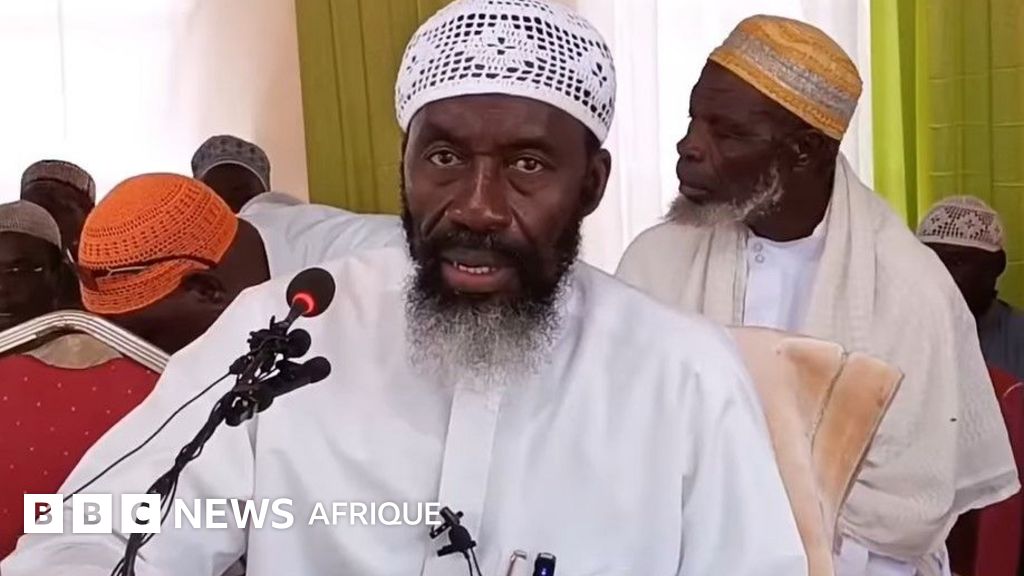
What we know about the detention of imam mohamad kindo in Burkina Faso
A high-profile arrest has sent shockwaves through Burkina Faso. Mohamad Ishaq Kindo, a prominent Sunni imam and influential preacher, was taken into police custody in Ouagadougou on Tuesday, May 26, and transported to an undisclosed location. The detention occurred just two days after he publicly criticized the newly adopted religious freedoms bill—a law passed on March 19 that has sparked widespread debate across the country.
The Federation of Islamic Associations of Burkina Faso (FAIB) released a statement shortly after the incident, confirming that Kindo, who also serves as president of the country’s Sunni Ulema, was arrested in the afternoon under unclear circumstances. The organization noted it had initiated formal inquiries with relevant authorities to obtain precise information and secure a favorable outcome.
Violent arrest draws community anger
Witnesses described the operation as heavy-handed. Around 2:00 PM local time—just one day before the major Muslim holiday of Eid al-Adha—the imam was seized by masked security personnel, including police officers and soldiers. According to a close associate present at the scene, the intervention triggered resistance from nearby worshippers, escalating tensions and resulting in several injured among the faithful.
Kindo had recently gained attention for a widely circulated video lecture in which he condemned the religious freedoms bill. In the recording, he urged authorities to “reflect deeply on the impact of their actions before proceeding.” His remarks included a stern warning: “Everyone should be cautious and avoid attempting to ban public prayers. Whether you are a leader or a powerful figure, you lack the strength or power of God.”
Protests erupt as calls for release grow
Public outrage over the arrest manifested quickly. Within hours, hundreds of demonstrators gathered in Ouagadougou, demanding Kindo’s immediate release. However, the protest was forcibly dispersed using tear gas, according to a local participant.
In an effort to calm tensions, the FAIB called on the Muslim community to remain composed, patient, and peaceful amid the uncertainty. As the country observed Eid al-Adha the following day, calm returned to the streets, though many continued to monitor the case closely.
No official response on the imam’s detention
The day after the arrest, coinciding with Tabaski celebrations, Burkina Faso’s president addressed the nation on social media. While paying tribute to security forces battling jihadist groups, he also issued a stern warning to “enemies of the Nation,” threatening severe consequences for any attempts to undermine national stability or demoralize the armed forces. “Anyone who takes such a position must bear full responsibility and accept all resulting consequences,” he declared. To date, no official statement has been issued regarding Kindo’s status or the reasons behind his detention.
Controversial law targets religious freedoms
The religious freedoms bill that precipitated Kindo’s arrest was approved by the Council of Ministers on March 19. Designed to regulate religious practices online and offline, the law aims to curb radicalization, violent extremism, hate speech, and inappropriate online discourse. Authorities argue the legislation is necessary to restore social cohesion and protect national unity.
Under the new provisions, erecting places of worship within public administration buildings is prohibited—except in healthcare facilities, prisons, barracks, and military camps. Public prayer remains permitted, provided it respects the beliefs of others. This approach reflects the government’s commitment to secular governance and equal treatment of all faiths.
Since the military-led administration of Captain Ibrahim Traoré took power nearly four years ago, Burkina Faso has faced persistent security challenges from jihadist groups operating across much of the country. The government has justified its tightening of public freedoms as essential to maintaining order and defeating extremism.
