What the silence over Moussa Kaka’s disappearance in Niger really reveals
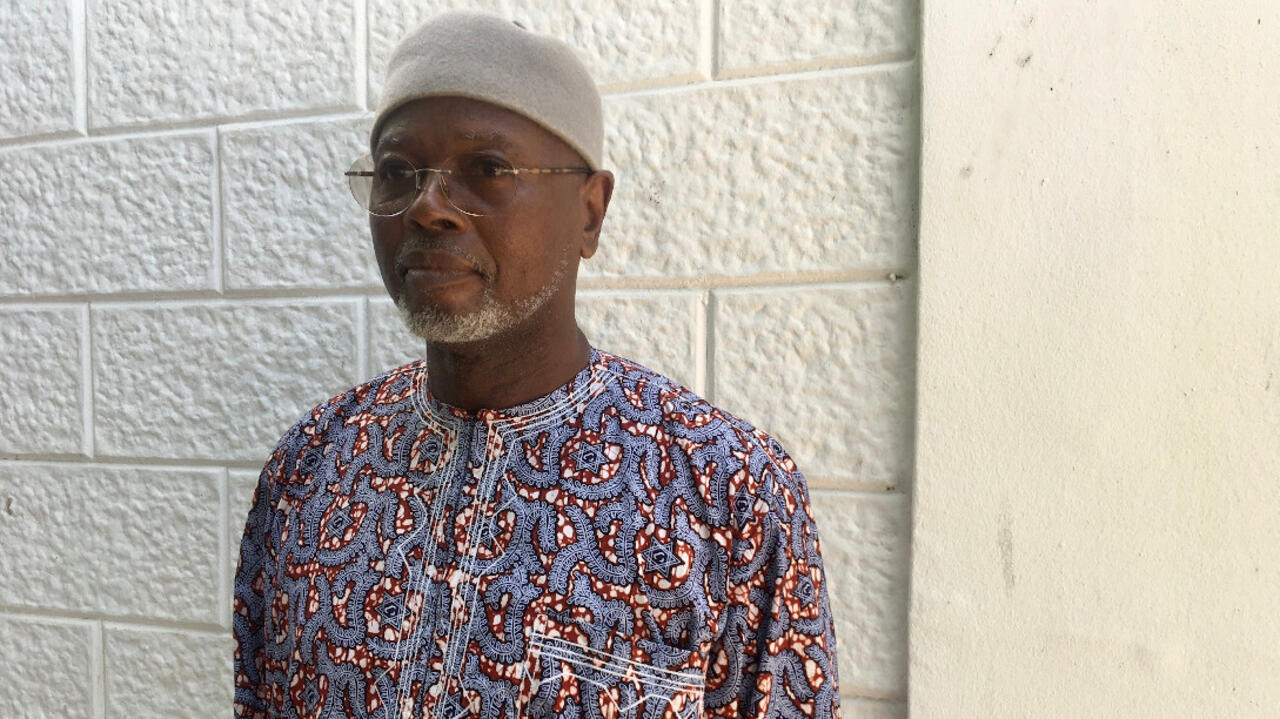
When a journalist vanishes, the loudest signal is often the silence that follows. In Niger, Moussa Kaka has been missing since 31 August, and the absence of any meaningful response from African and international institutions is telling a story of its own. Alioune Tine, a Senegalese human rights expert and former United Nations special rapporteur, has broken that silence with a blunt assessment: nothing—absolutely nothing—justifies Kaka’s arrest. His words expose a deeper crisis of impunity that goes far beyond one man’s fate.
The context behind a forced disappearance
Kaka’s case is not an isolated incident. It fits a pattern that has been quietly expanding across West Africa: journalists who ask uncomfortable questions find themselves facing arbitrary detention, harassment, or worse. Tine, who founded Afrikajom, a think tank focused on democracy and security in Africa, describes the situation as a “forced disappearance” and laments what he calls the “total indifference of the African and international community.” That indifference, he argues, is not accidental—it is a choice that emboldens those who would silence the press.
Why the international reaction has been muted
Several factors explain the slow and fragmented response. The geopolitical landscape in the Sahel has shifted dramatically in recent years, with military governments distancing themselves from traditional Western partners. International bodies that once issued swift condemnations now tread carefully, wary of damaging fragile diplomatic channels. Meanwhile, regional organisations face their own credibility challenges, often prioritising stability over accountability. The result is a vacuum where a journalist can disappear without consequence, and the message sent to other reporters is chilling.
The root causes of inaction
Beneath the surface, the dynamics are complex. The lack of a unified African voice on press freedom allows individual governments to act with impunity. Tine’s call for mobilisation is aimed squarely at this gap. He urges African public opinion and the organisations that represent it to demand answers, arguing that silence from civil society is as damaging as silence from governments. Without sustained pressure, the space for independent journalism will continue to shrink, and with it, the public’s access to reliable information.
What is at stake for Niger and beyond
The disappearance of Moussa Kaka is a test case. How it is handled will set a precedent for how similar cases are treated across the region. If impunity prevails, the consequences will ripple through Niger’s political landscape and beyond. A free press is not a luxury—it is a cornerstone of democratic accountability. When journalists are targeted, the entire society loses a vital check on power. Tine’s insistence that “nothing justifies” the arrest is more than a legal opinion; it is a warning that the rule of law itself is under threat.
The path forward requires more than statements. It demands a coordinated, sustained mobilisation from African civil society, international human rights bodies, and ordinary citizens who value the truth. The silence surrounding Kaka’s disappearance must be broken—not just for his sake, but for the future of press freedom across the continent.
