What does a single ‘ghost town’ day really change in Cameroon’s anglophone regions?
The symbolic weight of October 1st
Every year, October 1st carries a dual meaning in Cameroon. It marks the anniversary of the 1961 reunification that created the Federal Republic of Cameroon, bringing together the former French colony and the southern Cameroons under British administration. But for anglophone separatists, this same date represents something else entirely: in 2017, they used it to declare the independence of the Northwest and Southwest regions, a move that ignited a crisis still burning a decade later.
A region on pause, a security force on edge
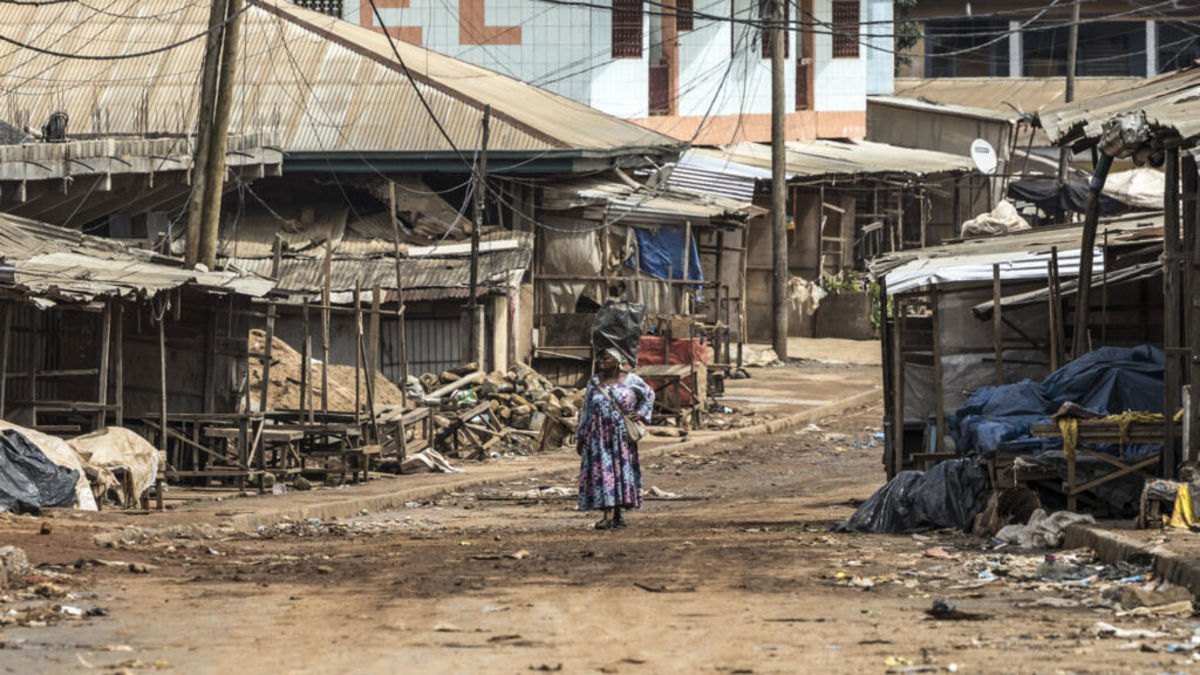
This year, as separatists called for a ‘ghost town’ operation across several cities in the Northwest and Southwest (NOSO), Cameroonian authorities responded with a heavy security deployment, fearing unrest. By midday, no major incidents had been reported, but daily life had ground to a halt in the main urban centers. Residents chose to stay indoors, turning the symbolic date into a day of stillness.
Streets empty, patrols visible
In Bamenda, the Northwest’s largest city, a local resident described venturing out only briefly to exercise on quiet streets before returning home for the rest of the day. At key intersections, armored vehicles and numerous military patrols were stationed, a presence some locals described as ‘deterrent.’ The scene was similar in Buea, the Southwest’s main city, and surrounding towns, where people also remained at home.
Online, a decade of pain becomes a talking point
On social media platforms like TikTok, panels featuring the blue and white colors claimed by separatists hosted discussions about the ten-year crisis that has devastated both anglophone regions. In a reflection shared on October 1st, Khongor Félix Agbor, a lawyer and former detainee linked to the anglophone crisis, remembered ‘the families who have buried loved ones, the displaced, the children whose education was interrupted, all those who live in fear, and the detainees of the anglophone crisis.’
According to multiple NGOs, the anglophone crisis has claimed more than 6,000 lives and displaced hundreds of thousands over the past decade. Yet the question remains: can a single day of shutdown shift the trajectory of a conflict that has already reshaped an entire region?
