Wadagni’s Kigali visit sparks debate on Benin-Rwanda axis future
The 48-hour working visit by Benin’s president Romuald Wadagni to Kigali, his first official trip to Rwanda since taking office in May, has ignited a wave of reactions across diplomatic and economic circles. The high-stakes meeting with President Paul Kagame is being widely interpreted as a signal that Cotonou intends to lock in and deepen a bilateral partnership that many now regard as a benchmark for South-South cooperation.
Why the trip is generating buzz
Observers point out that the timing and symbolism of the visit carry real weight. By choosing Kigali for one of his earliest foreign engagements, Wadagni has placed the Rwanda relationship at the heart of Benin’s external strategy. Analysts say the move reflects a broader recalibration of West African diplomacy toward practical, results-driven alliances.
Security and governance dominate closed-door talks
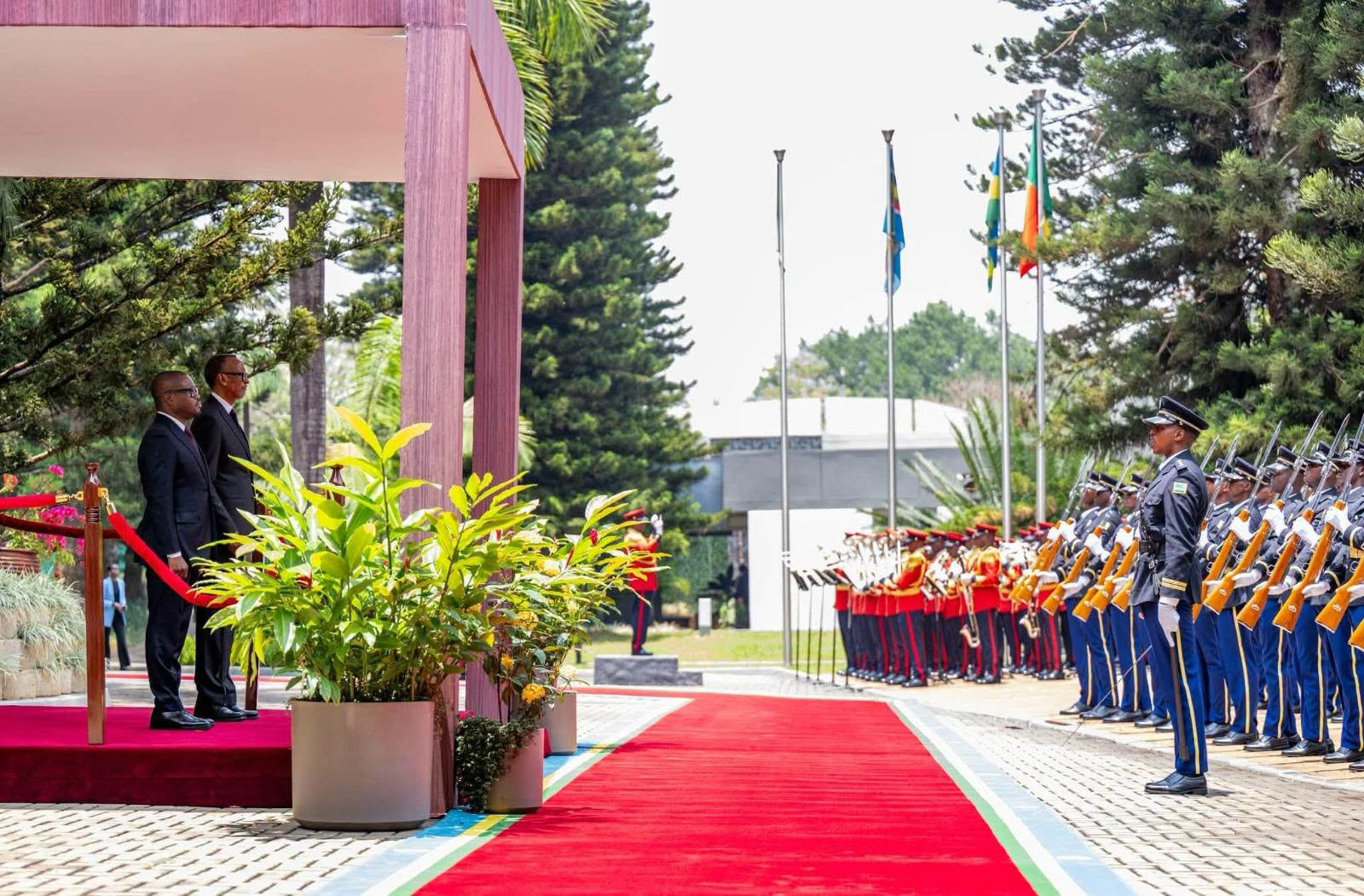
Welcomed with full honours at the Village Urugwiro presidential palace, the Beninese leader held a private one-on-one with his Rwandan counterpart before broader discussions with ministerial delegations. The agenda centred on two pillars: strengthening security cooperation and modernising public administration.
On security, both sides reaffirmed their commitment to joint efforts aimed at stabilising the region and sharing intelligence. Technical and logistical support, particularly for border protection, remains a key element of the arrangement.
What Benin wants to learn from Rwanda
The Beninese delegation showed keen interest in Rwanda’s approach to attracting foreign direct investment and digitising public services. Wadagni, drawing on his financial and economic background, stressed the need for pragmatic synergies between Cotonou and Kigali to boost intra-African trade. The emphasis on knowledge transfer suggests Benin may look to replicate elements of Rwanda’s administrative model at home.
A gesture of remembrance that resonated
Following the tradition observed by visiting dignitaries, Wadagni visited the Gisozi Genocide Memorial and laid a wreath in honour of the victims of 1994. He praised the resilience of the Rwandan people and their ability to rebuild a prosperous, united nation. The gesture was widely commented on as a mark of respect and a sign of deepening ties.
What comes next for the Cotonou-Kigali axis
The visit has fuelled speculation about concrete follow-ups. Expectations are growing around new agreements on trade facilitation, digital governance and joint security initiatives. For Benin, the challenge will be translating the diplomatic momentum into tangible outcomes for citizens and businesses. For the wider region, the evolution of this axis could serve as a test case for how African states can build resilient partnerships in a shifting geopolitical landscape.
