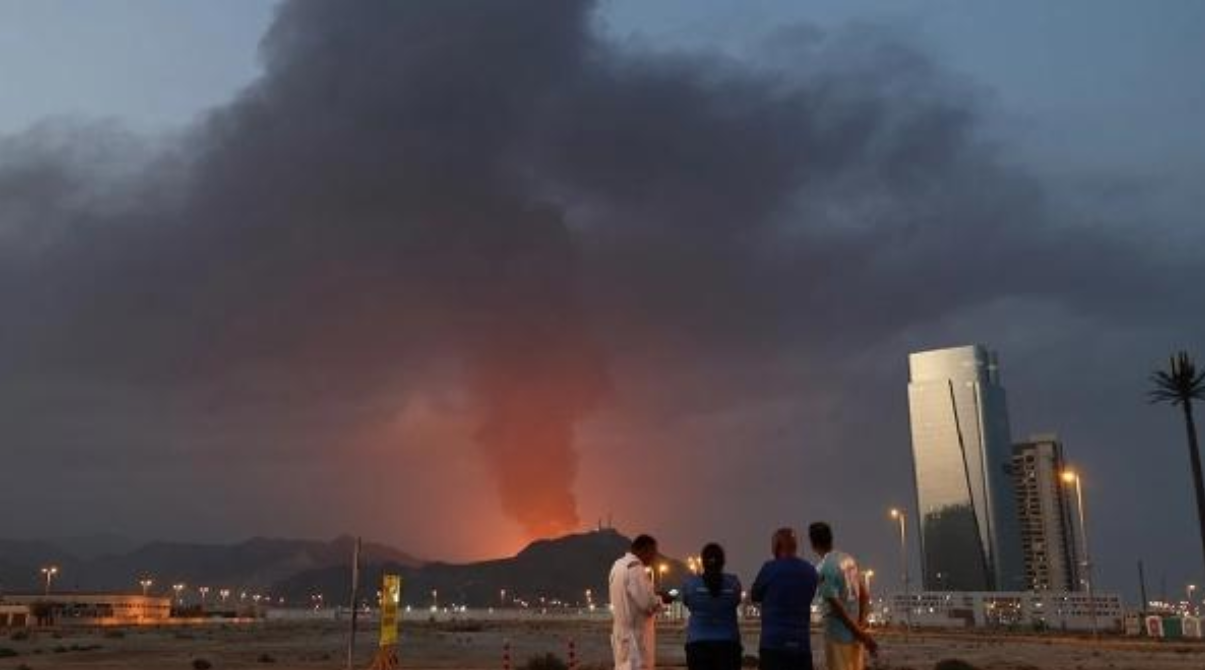
US strikes in Strait of Hormuz: Trump’s risky gamble on the eve of midterms
Military escalation at a critical electoral moment
With the US midterm elections just hours away, Donald Trump made a bold military move, ordering strikes against Iranian targets in the Strait of Hormuz. The operation, targeting Qeshm Island, marks a significant escalation in Middle Eastern tensions — and could reshape the political landscape just as voters head to the polls.
Contradictions in Trump’s strategy
Less than 24 hours before the strikes were launched, Trump had publicly signaled optimism about reaching a deal with Iran. The sudden military action undermines that narrative and raises questions about the president’s consistency. Democrats are already seizing on this shift to question Trump’s judgment and the broader costs of his foreign policy ahead of the vote.
Economic anxiety fuels midterm uncertainty
Economic concerns, particularly surging fuel prices, remain a top voter concern. The Strait of Hormuz, through which a fifth of the world’s oil passes, is a flashpoint in this crisis. Recent disruptions have already driven up global energy costs, and further escalation risks deeper economic pain for American households. Polls show only 31% of Americans support the ongoing conflict with Iran, while 63% oppose it — a clear signal that voters may punish Republicans at the ballot box if the war drags on.
Why the timing matters
Midterm elections are a referendum on the president’s performance. A Republican loss could limit Trump’s ability to implement his agenda, shift fiscal priorities, and invite congressional scrutiny of military spending. The administration insists the strikes were defensive, but the optics of war on the eve of an election risk overshadowing domestic priorities like inflation and job growth — issues that traditionally favor the opposition party.
Republican fears of backlash
Internal GOP divisions are emerging as some voters embrace Trump’s hardline stance while others worry about prolonged conflict. Advisors had reportedly urged caution to avoid turning the war into a central campaign issue, but geopolitical realities have overridden political calculations. A Democratic-controlled House could intensify oversight of Trump’s foreign policy decisions, complicating his second-term ambitions.
The president now faces a delicate balancing act: projecting strength to his base while avoiding a scenario where the war becomes a symbol of misguided military adventurism.
What’s next for US voters?
The midterms will test whether Americans see these strikes as decisive leadership or reckless escalation. With fuel prices and economic stability dominating voter concerns, the outcome may hinge on whether the public trusts Trump’s ability to navigate both security and economic stability. The results could redefine the political map — and signal whether the American electorate is ready to turn the page on two years of high-stakes foreign policy.
