US midterms 2026: democratic gains reshape Trump’s global influence with congressional majority
US midterms 2026 deliver historic congressional shift for Trump
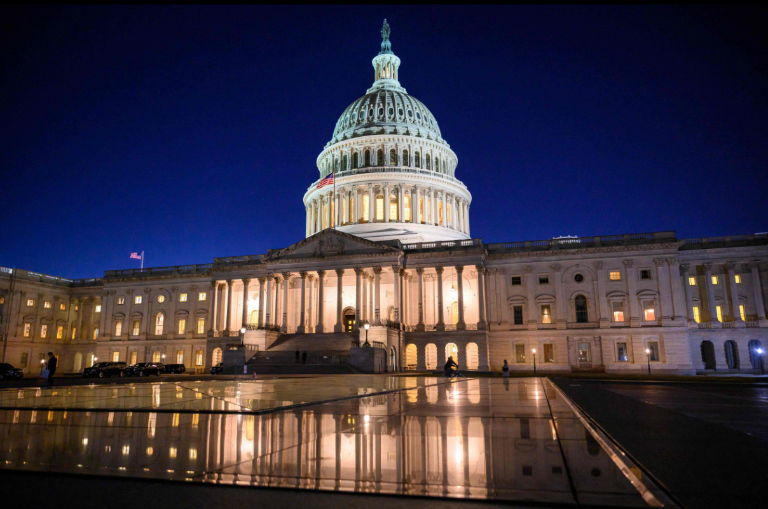
The outcome of the November 3, 2026 midterm elections has delivered a seismic change for Donald Trump’s presidency. Democrats have clinched control of both the House of Representatives and the Senate, capping off a decisive political setback that reshapes the balance of power in Washington and sends shockwaves across global diplomacy.
Congress flexes new oversight powers over White House foreign policy
Starting January 2027, the Democratic-controlled Congress will wield unprecedented legislative tools: budgetary authority, investigative hearings, funding restrictions, and the power to delay or block key diplomatic appointments. This institutional shift ends years of unchecked executive authority under a Republican-led Congress, placing every major Trump administration foreign policy initiative under immediate scrutiny.
While Trump retains critical presidential powers—including command of the armed forces and veto authority—his ability to advance an aggressive foreign policy agenda is now hamstrung by a Congress intent on exerting checks and balances. The result is not a full reversal of policy, but a structural slowdown that introduces uncertainty into America’s international posture.
Iran conflict becomes flashpoint in congressional-White House standoff
The undeclared military campaign against Iran—launched February 28, 2026, without prior congressional consultation—has galvanized bipartisan opposition and fueled calls for greater oversight. Democrats are poised to leverage budgetary controls to limit military funding, demand transparency in covert operations, and hold administration officials accountable in public hearings.
Although Congress cannot unilaterally terminate ongoing military operations, it can reduce financial support, delay troop deployments, and impose reporting requirements that constrain executive discretion. This dynamic risks creating a perception of strategic indecision abroad, potentially emboldening Iran and regional actors to exploit perceived U.S. hesitation.
Europe anticipates policy shift but faces enduring White House uncertainty
For EU leaders, the Democratic victory signals a potential return to more predictable transatlantic cooperation. Trump’s tenure has been marked by skepticism toward NATO commitments, conditional support for Ukraine, and unpredictable tariff policies that strained relations with Brussels.
But while Congress may push for renewed military aid to Kyiv and stronger alliance commitments, ultimate decisions still rest with the White House. Trump’s authority over defense spending, troop deployments, and final diplomatic agreements means European partners must plan for continued volatility—even as they welcome new allies on Capitol Hill.
Trade wars take center stage in congressional pushback
The Trump administration’s aggressive use of tariffs—especially against EU, Chinese, and Mexican partners—has triggered economic friction and supply chain disruptions. Democrats are preparing legislative measures to review and potentially override certain tariff decisions, strengthen congressional trade oversight, and demand economic impact assessments before imposing new duties.
Yet Trump retains executive authority to bypass Congress on trade matters, particularly under emergency or national security justifications. The result is a legal and political standoff likely to prolong trade uncertainty and delay any rapid return to multilateral cooperation.
America’s global standing under strain from internal divide
The 2026 midterms have exposed deep fissures in America’s political fabric, threatening both domestic stability and international credibility. Allies and adversaries alike now question the durability of U.S. commitments, from security guarantees to trade agreements and climate diplomacy.
Trump enters the final two years of his term weakened domestically, with his foreign policy ambitions increasingly subject to congressional veto, legal challenges, and public dissent. The world now watches as Washington grapples with a new reality: a superpower whose leadership is increasingly conditional on overcoming internal political gridlock.
The stakes could not be higher. In an era of rising geopolitical rivalry, America’s ability to project coherent global influence may hinge not on military or economic might, but on its capacity to resolve a fundamental question: Can a divided nation still lead the world?
